Coconut
Coconut
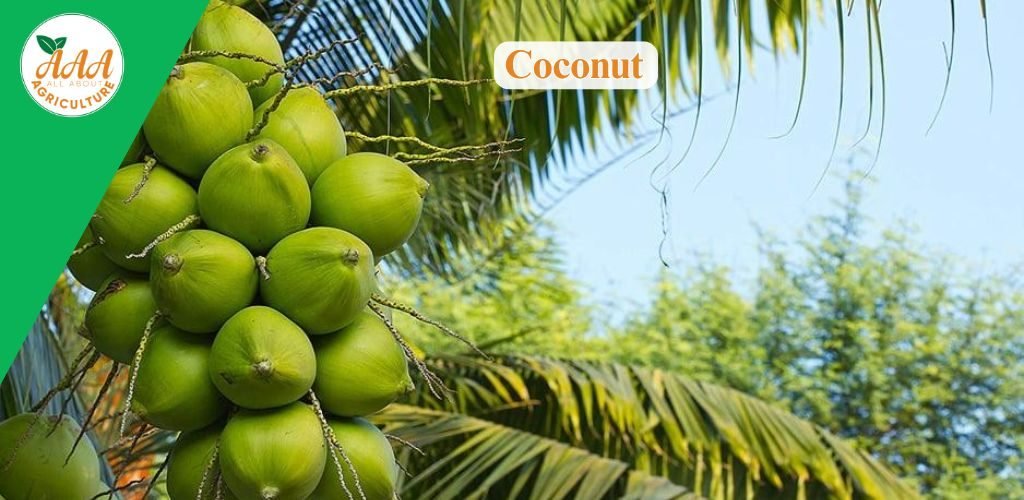
Understanding about Crop
Nutritional Value:
- Coconut (Nariyal – copra for oil) is rich in saturated fats, especially medium-chain triglycerides (MCTs), which efficiently provide energy.
- It also contains essential minerals like potassium, magnesium, and manganese, important for overall health.
- Coconut oil has antioxidant properties that support skin health and immunity.
- The copra (dried coconut kernel) has a high oil content (about 60%), making it vital for oil extraction.
- Coconut water inside young nuts supplies electrolytes and hydration.
- The fiber content aids digestion and helps in weight management.
- Coconut products are beneficial in many traditional dietary uses across tropical regions.
Dietary Diversity:
- Coconuts are consumed in many ways: fresh water, milk, grated flesh, and as copra for oil extraction.
- Copra oil is widely used in cooking, especially in South Indian and coastal cuisines.
- Coconut flour, derived from dried copra, caters to gluten-free diets.
- Coconut is a key ingredient in sweets, curries, and snacks enhancing flavor and nutrition.
- Coconut oil also_featured in dairy and confectionery industries for its unique properties.
- Roots and flowers can be used in traditional dishes too.
- The versatility offers farmers multiple product opportunities from a single crop.
Economic Importance:
- Coconut (Nariyal – copra for oil) is a critical cash crop in tropical regions, contributing significantly to farmer incomes.
- It supports both rural livelihoods and export earnings through oil, coir, and processed products.
- The copra-oil market sustains a wide range of industries including food, cosmetics, and pharmaceuticals.
- There are government schemes for coconut farmers to enhance production and marketing.
- The byproducts, including coir and copra cake, provide additional income streams.
- Its cultivation ensures year-round income with staggered harvesting.
- Coconut-based tourism and agro-processing units boost regional economies.
Crop Rotation:
- Coconut palms improve soil structure by adding organic matter through leaf fall and litter.
- Intercropping with spices, fruits, or pulses complements coconut and maximizes land use.
- Rotation reduces soil-borne diseases and pest pressure in the plantation.
- Including legumes enhances nitrogen fixation benefiting coconut palms.
- Crop rotation improves soil fertility, leading to sustainable yield increases.
- Crop diversification decreases economic risk for farmers.
- Periodic fallow and cover cropping improve long-term soil health.
Climate Resilience:
- Coconut thrives best between 20°C and 32°C with minimum frost risk.
- It prefers humid tropical climates with annual rainfall around 2000 mm, though it can tolerate dry spells.
- Young palms require good moisture; mature palms withstand moderate drought.
- Sea breezes help prevent fungal diseases by drying leaves.
- Excessive cold or frost damages the palms and affects yield.
- High temperatures accelerate flowering and nut development.
- Proper water management is critical in drier zones.
- Coconut plantations serve as windbreaks mitigating climate extremes.
- Resilient varieties are being developed to adapt to varying climate conditions.
Health Benefits:
- Coconut oil, derived from copra, is reputed for improving heart health when consumed in moderation.
- The oil has antimicrobial and anti-inflammatory properties beneficial for skin and hair.
- Medium-chain triglycerides (MCTs) in coconut oil aid in weight management and energy metabolism.
- Coconut water hydrates and replenishes electrolytes efficiently.
- Regular consumption can improve digestion due to dietary fiber.
- Coconut-based products are used in traditional medicine for wounds and infections.
- Overconsumption may cause digestive discomfort in sensitive individuals, so moderation is advised.
Key Features
Climate and Soil Requirements:
- Coconut (Nariyal – copra for oil) prefers well-drained sandy loam soils rich in organic matter.
- Ideal pH ranges from 5.0 to 8.0, with good aeration and moisture retention capacities.
- Thrives in tropical regions with temperatures of 20-32°C and 1500-2500 mm annual rainfall.
- Young palms need regular watering; mature palms tolerate moderate drought.
- Avoid waterlogged or saline soils that adversely affect growth.
- Coastal areas with high humidity are particularly suitable.
- Soil preparation must ensure good drainage to prevent root rot.
- Soil testing before planting helps in balancing nutrient application.
- Nutrient deficiencies like potassium, magnesium, and boron must be managed carefully.
- Climatic conditions affect flowering and nut yield significantly.
Land Preparation:
- Clear land from debris and previous crop residues.
- Plough deeply (30-40 cm) to loosen the soil and facilitate root penetration.
- Level the field to facilitate uniform water distribution.
- Incorporate well-rotted farmyard manure or compost for soil fertility.
- Prepare pits or basin sizes suitable for planting depending on soil type.
- Avoid heavy machinery that causes soil compaction.
- Pits may be filled with a mixture of soil and organic inputs before planting.
- Maintain moisture in the field to aid rooting after planting.
- Proper drainage design is essential especially in heavy rainfall areas.
- Early land preparation allows time for nutrient stabilization before planting.
High-yielding Varieties and Seed Selection:
- Select disease-resistant and high-yielding varieties such as CO 1, CO 3, and VHC 1.
- Use quality seeds or seedlings sourced from reputed nurseries.
- Ensure seedlings are free from pests and diseases for a healthy establishment.
- Choose varieties suited to local climatic and soil conditions.
- Opt for hybrids where available for improved productivity.
- Regularly update seed stock for genetic vigor and yield consistency.
- Seedlings should be uniform with strong roots at transplanting.
- Source planting material from certified agencies.
- Early planting with quality seedlings boosts yield potential.
- Monitor nursery conditions to avoid pest infestations.
Seed Treatment and Nursery Management:
- Treat seeds with fungicides to prevent seed rot and seedling diseases.
- Use biological inoculants for enhanced root development.
- Maintain nursery shading to protect seedlings from harsh sunlight.
- Water regularly to maintain optimum moisture for seedling growth.
- Harden seedlings by reducing watering before transplanting.
- Protect seedlings from pests like termites and mealybugs.
- Nursery sanitation reduces disease pressure in young plants.
- Seed treatment ensures uniform germination and healthy nursery stock.
- Use well-aerated and sterilized nursery beds for seedling propagation.
- Apply foliar sprays to enhance seedling vigor.
Sowing and Plantation:
- Transplant seedlings at 18-24 months old when they reach 60-90 cm height.
- Maintain spacing of 7.5m x 7.5m or 9m x 9m for optimum growth.
- Plant during the start of monsoon for the best establishment.
- Deep planting prevents exposure of roots and ensures stability.
- Use stake or support for young palms in high wind zones.
- Irrigate after planting to settle soil around roots.
- Mulch planting basins to conserve moisture.
- Maintain weed-free basins for healthy growth.
- Plant intercropping compatible cash crops for income diversification.
- Monitor for nutrient deficiency signs during establishment.
Nutrient Management:
- Apply 35-40 kg N, 10-15 kg P2O5, and 50-60 kg K2O per palm annually.
- Split fertilizer application in 3 phases for efficient uptake.
- Use micronutrients like zinc, boron, magnesium as per soil test recommendations.
- Incorporate organic manures to improve soil physical and microbial properties.
- Foliar spraying enhances nutrient absorption during key growth stages.
- Avoid excessive nitrogen to prevent excessive vegetative growth.
- Regular soil testing informs fertilizer adjustments.
- Nutrient management impacts nut yield and copra quality.
- Nutrient uptake efficiency is crucial for sustained productivity.
- Balanced fertilization reduces pest and disease susceptibility.
Irrigation and Water Management:
- Coconut palms require 1000-3000 mm rainfall annually; supplement with irrigation during dry spells.
- Proper drainage is essential to avoid root disease.
- Use basin irrigation or drip irrigation for efficient water use.
- Mulch basins to reduce evaporation and conserve moisture.
- Avoid over-irrigation to prevent nutrient leaching.
- Monitor soil moisture regularly for scheduling irrigation.
- Water stress during reproductive stages reduces yield drastically.
- Water management aids in pest and disease control.
- Irrigate during dry months for optimal copra production.
- Rainwater harvesting structures support sustainable irrigation.
Intercultural Operations:
- Regular weeding is essential until canopy closure for reducing competition.
- Earthing up nutrients encourages rooting and plant stability.
- Remove dead or diseased fronds to reduce disease spread.
- Application of mulch and organic debris supports soil moisture and fertility.
- Cross-cultivation should be minimized to avoid root disturbance.
- Intercropping with appropriate crops maximizes farm productivity.
- Timely pruning improves air circulation within the palm canopy.
- Field sanitation reduces pest and disease incidence.
- Proper field layout aids in efficient intercultural management.
- Monitor for stress signs to intervene promptly.
Pest and Disease Management:
- Common pests include rhinoceros beetle, red palm weevil, and mite.
- Major diseases include bud rot, root wilt, and leaf blight.
- Use pest-resistant varieties and biological control agents.
- Disease management includes proper nutrition, sanitation, and fungicide application when necessary.
- Early pest detection is critical for effective control.
- Maintain plantation hygiene and remove infested material promptly.
- Avoid over-irrigation that favors diseases.
- Use pheromone traps and natural predators in integrated pest management.
- Regular monitoring and field scouting are vital.
- Implement crop rotation and weed control strategies.
Harvesting and Post-Harvest Management:
- Coconut nuts mature fully at 11-12 months; harvest mature nuts for copra production.
- Husk removal precedes copra drying by sun or smoke drying methods.
- Copra drying influences oil quality; uniform drying reduces aflatoxin risks.
- Process copra using mechanical expellers or solvent extraction for oil recovery.
- Store copra and oil in moisture-free, clean containers to maintain quality.
- Post-harvest losses minimized by proper handling and storage.
- Value addition via oil refining enhances marketability.
- Maintain hygiene in processing units to prevent contamination.
- Use agro-industrial byproducts such as coir for profitable ventures.
Additional Points:
- Coconut is a multipurpose tree with byproducts like coir, shell, and leaves used in various industries.
- Oil extracted from copra is widely used in cooking, cosmetics, and pharmaceuticals.
- Sustainable cultivation practices improve yield, soil health, and environmental balance.
- Coco byproducts support rural employment and non-farm income sources.
- Understanding processing technologies aids in value addition.
- For detailed information, updates on cultivation, and marketing, visit All about agriculture.
Do’s
- Use certified disease-free planting material.
- Maintain optimum spacing.
- Follow soil testing for fertilization.
- Monitor pests and diseases regularly.
- Avoid over-irrigation.
- Mulch for moisture conservation.
- Harvest timely.
- Maintain field sanitation.
- Protect young palms from extreme weather.
Don'ts
- Use uncertified seeds.
- Overcrowd planting.
- Neglect nutrient management.
- Delay pest control.
- Overuse chemical inputs.
- Burn plantation residues.
- Neglect irrigation schedules.
- Harvest late.
- Store produce improperly.
What is the best soil type for cultivating Coconut (Nariyal – copra for oil)?
Coconut (Nariyal – copra for oil) grows best in well-drained sandy loam soils rich in organic matter, with a pH ranging from 5.0 to 8.0, which helps retain moisture and nutrients essential for healthy palm growth.
How important is water management in Coconut (Nariyal – copra for oil) farming?
Proper water management, like drip irrigation and timely watering during dry spells, is vital for Coconut (Nariyal – copra for oil) to ensure optimal growth and improve nut and copra yield while preventing root diseases caused by waterlogging.
What are common pests that affect Coconut (Nariyal – copra for oil) and how to control them?
Pests like rhinoceros beetle, red palm weevil, and mites can harm Coconut (Nariyal – copra for oil); integrating natural predators, regular monitoring, and targeted pest management practices help control these effectively.
Can Coconut (Nariyal – copra for oil) be intercropped, and which crops are suitable?
Yes, Coconut (Nariyal – copra for oil) intercropping with bananas, spices like pepper and nutmeg, or legumes enriches soil nutrients, diversifies income, and optimizes land use for small farmers and plantation growers.
How long does it take for coconut (Nariyal – copra for oil) palms to start bearing fruits?
Typically, coconut (Nariyal – copra for oil) palms begin producing nuts after 4 to 6 years, depending on the variety, climate, and management practices, with yields increasing as palms mature over time.
What is the ideal planting spacing for Coconut (Nariyal – copra for oil)?
Spacing of 7.5 by 7.5 meters for tall varieties and 6.5 by 6.5 meters for dwarf types allows adequate sunlight, root space, and airflow, promoting healthier Coconut (Nariyal – copra for oil) growth and maximum yield.
How does mulching benefit Coconut (Nariyal – copra for oil) plantations?
Mulching conserves soil moisture, suppresses weed growth, and adds organic matter when decomposed, significantly enhancing soil health and Coconut (Nariyal – copra for oil) palm vigor.
What are the common diseases in Coconut (Nariyal – copra for oil) and prevention methods?
Diseases like bud rot and root wilt affect Coconut (Nariyal – copra for oil); prevention includes sanitation, use of resistant varieties, and appropriate fungicide applications during vulnerable stages.
How is copra processed from Coconut (Nariyal – copra for oil)?
Copra is prepared by drying mature coconuts’ kernels either in the sun or by smoke drying, which reduces moisture content to improve oil extraction quality from Coconut (Nariyal – copra for oil).
What are the health benefits of consuming products from Coconut (Nariyal – copra for oil)?
Coconut oil derived from copra supports heart health, skin nourishment, metabolic energy, and has antimicrobial properties, making it valuable for both food and medicinal use.
How can farmers improve the yield and quality of Coconut (Nariyal – copra for oil)?
Farmers can enhance yield by selecting improved varieties, practicing timely irrigation, efficient fertilization, pest and disease management, and proper nursery care for healthy Coconut (Nariyal – copra for oil) palms.
Where can growers find more information and support for Coconut (Nariyal – copra for oil) cultivation?
Detailed cultivation guidance, market updates, and government schemes for Coconut (Nariyal – copra for oil) are available on agricultural knowledge platforms like All about agriculture.