Coconut
Coconut
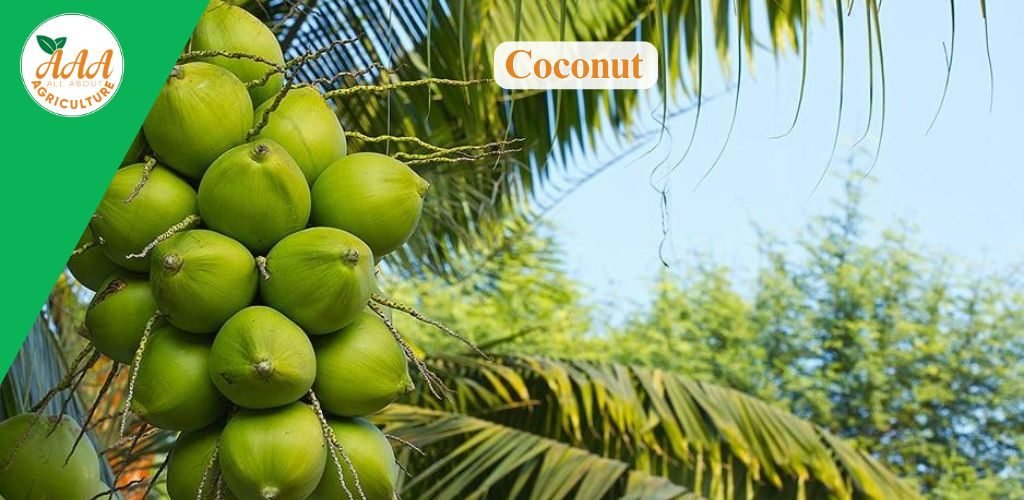
Understanding About Crop
Nutritional Value:
- Coconut is rich in medium-chain fatty acids, dietary fiber, and essential minerals such as potassium, magnesium, and iron.
- It provides high-quality calories through fresh coconut water, flesh, and oil, important for energy and metabolic functions.
- Contains antioxidants that help reduce oxidative stress in the body.
- Coconut water supplies electrolytes beneficial for hydration and heart health.
- Coconut oil is known for its antimicrobial properties and is widely used in health and beauty products.
- Coconut flesh contains lauric acid, which supports immune function.
- Moderation is key, as high saturated fat intake from coconut may affect cholesterol in susceptible individuals.
Dietary Diversity:
- The coconut fruit is versatile: water, flesh, milk, oil, and flour are consumed globally.
- Coconut milk is used in cooking and beverages adding rich flavor and nutrients.
- Coconut oil is a staple in baking, frying, and cosmetic formulations.
- Desiccated coconut is added in sweets, snacks, and health bars.
- Coconut water is a popular natural sports drink alternative.
- Coconut shell fibers and leaves also serve roles in food preparation and packaging.
- Its diverse uses create many income streams for farmers.
Economic Importance:
- Coconut is a vital cash crop for tropical countries, supporting millions of growers.
- Federations and cooperatives expand markets for fresh, processed, and value-added coconut products.
- All about agriculture shares market trends, pest management practices, and high-yield seed info for profitability improvements.
- Export demand for coconut oil, copra, and coir products grows steadily.
- Coconut farming provides year-round employment from nursery to harvest.
- Integrated coconut-based farming systems improve farm resilience and rural welfare.
- Coconut contributes significantly to foreign exchange earnings in producing nations.
Crop Rotation:
- Coconut is often rotated with short-duration crops like turmeric, pineapples, or leguminous inter-crops.
- Rotation enhances soil nutrient status and breaks pest and disease cycles in coconut plantations.
- Mixed cropping with coconut increases biodiversity, preventing soil erosion.
- Crop residues from intercrops add organic matter benefiting coconut.
- Rotation allows optimal land use thus reducing monoculture risks.
- Supports sustainable farming by maintaining long-term soil health.
- Facilitates multi-tier farming systems improving incomes and ecological balance.
Climate Resilience:
- Coconut thrives in tropical coastal climates with 25–35°C temperatures and annual rainfall of 1500–2500 mm.
- Its salt and wind tolerance makes it ideal for seaside and lagoon regions.
- Requires well-drained sandy to loamy soils but adapts well to various soil types.
- Sensitive to prolonged drought; irrigation aids in dry spells.
- Tolerates cyclonic winds better when mature with proper windbreaks.
- Shade tolerance varies with variety and age; young palms need partial shade.
- Climate change impacts like rising sea levels require adaptive practices in coastal farming.
Health Benefits:
- Coconut products support heart health, hydration, digestion, and skin nourishment.
- Lauric acid in coconut oil shows antimicrobial and antiviral properties.
- Rich electrolytes in coconut water aid in healthy blood pressure and kidney function.
- Dietary fiber from coconut aids satiety, weight management, and gut health.
- Coconut consumption enhances energy levels due to easily digestible fats.
- Some may experience allergies or cholesterol concerns; consult health professionals as needed.
- Regular consumption improves skin condition, immunity, and vitality when balanced in diet.
Key Features
Climate and Soil Requirements
- Grows best in tropical humid climates with temperatures of 25–35°C and rainfall of 1500–2500 mm.
- Prefers sandy to loamy, well-drained soils with neutral to slightly acidic pH (5.0–8.0).
- Avoids waterlogged, heavy clay, or saline soils that restrict root oxygen.
- Requires good aeration, sunlight, and shelter from extreme wind to prevent damage.
- Elevation should not exceed 1000 meters due to climatic constraints.
- Young palms benefit from shade, while mature palms prefer full sun for higher yields.
- Soil organic content improves moisture retention and nutrient availability.
- Proper drainage and salt protection essential in coastal plantations.
- Soil testing before planting is recommended for tailored nutrient management.
Land Preparation
- Clear the land of weeds, stumps, and debris for smooth field operations.
- Plough deep to aerate soil and improve root penetration, at least 30–45 cm.
- Level land carefully for uniform moisture, and construct drainage channels to prevent waterlogging.
- Dig pits 60×60×60 cm at recommended spacing (7.5–9 m) and fill with topsoil and organic matter mix.
- Apply 20–30 kg farmyard manure or compost per pit to nourish young palms.
- Surround fields with windbreaks like hedges or trees to reduce storm damage.
- Remove stones and hard clods that impede root growth.
- Ensure thorough sanitization of tools to reduce pathogen spread.
- Maintain access paths and irrigation facilities during preparation.
High-Yielding and Hybrid Seed Selection
- Use high-yielding dwarf or hybrid varieties like ‘Kalparasa’, ‘West Coast Tall’ suited to coastal conditions.
- Certified seeds and quality seedlings ensure vigorous, disease-free plantations.
- Select nuts from healthy palms aged 15–20 years for best germination.
- Hybrid palms often provide earlier and higher yields with disease tolerance.
- Purchase seedlings from reputable nurseries or agricultural departments.
- Perform nursery hardening before transplanting to reduce shock.
- Store seeds/seedlings under shade and moisture-controlled conditions.
- Maintain detailed records of seed lot and planting material source.
- Seed and planting material quality directly impacts plantation productivity.
Seed Treatment
- Soak coconut seeds in clean water for 2–3 days to improve sprouting.
- Treat nursery soil or potting mix with biofertilizers or fungicides to protect seedlings.
- Use plant growth regulators for seedling vigor if recommended locally.
- Disinfect tools and containers regularly in nursery to avoid disease contamination.
- Monitor seedlings for pests and disease symptoms during the nursery phase.
- Apply organic mulch in nurseries for moisture retention and temperature control.
- Label seed batches treated and maintain nursery hygiene rigorously.
- Avoid chemical use close to sowing for environmental safety.
- Follow manufacturer guidelines for all treatment substances.
Sowing and Planting Methods
- Transplant 10–12 month-old seedlings after 8–10 weeks nursery phase at planting spacing of 7.5–9 m.
- Plant nuts directly in pits or raised beds in smaller farms or homesteads.
- Ensure firm planting with roots spread evenly in moist soil for proper establishment.
- Use hole planting during the dry season, with immediate watering to avoid seedling stress.
- Mulch pits and around seedlings to retain moisture and control weeds.
- Monitor planting depth to avoid seedling suffocation or exposure.
- Avoid transplanting during extreme heat or heavy rains.
- Maintain clear records of transplanting dates and methods used.
- Fill gaps by replanting within the first 3 months for a uniform stand.
Nutrient and Fertilizer Management
- Apply 20–25 kg farmyard manure or compost per palm annually for organic nutrient supply.
- Follow fertilizer schedule with 750 g N, 200 g P2O5, 1250 g K2O per palm per year in split doses.
- Apply micronutrients such as zinc, manganese, and boron based on leaf analysis.
- Basal application before planting and periodic top dressing throughout the growth period is essential.
- Use foliar sprays for quick correction of nutrient deficiencies during critical growth.
- Balance fertilizers according to soil fertility status evaluated prior to application.
- Avoid over-fertilization, which causes leaf burn and reduces coconut quality.
- Supplement with biofertilizers to improve root health and nutrient uptake efficiency.
- Maintain detailed fertilizer use records to measure efficiency.
Irrigation and Water Management
- Coconut palms require 1500–2500 ml rainfall or equivalent irrigation yearly distributed evenly.
- Irrigate young palms often, especially during flowering and nut development stages.
- Use drip irrigation for water conservation and precise moisture supply.
- Avoid waterlogging, which promotes fungal infections and root diseases.
- Mulching decreases water evaporation and helps retain soil moisture.
- Collect and use rainwater for supplementary irrigation during dry periods.
- Schedule irrigation early morning or late afternoon for better water use.
- Monitor soil moisture regularly to optimize watering quantity and timing.
- Maintain clean irrigation channels and systems to prevent blockages.
Intercultural Operations
- Regular weed removal prevents competition and enhances nutrient availability.
- Mulching around palms improves moisture retention and suppresses weed growth.
- Pruning dry, dead, or diseased leaves and branches improves air circulation and light penetration.
- Remove excess suckers to allow healthy palm growth and nutrient focus.
- Manage intercrops like banana or pepper carefully to avoid competition.
- Avoid deep tillage near palms to prevent root injury.
- Sanitize tools and maintain cleanliness during all field operations.
- Train laborers on safe pruning and intercultural techniques.
- Remove crop residues or use mulch to improve soil organic matter.
Pest Management
- Key pests: rhinoceros beetle, red palm weevil, eriophyid mite, and leaf-eating caterpillars.
- Monitor regularly and manage with pheromone traps, biopesticides, and manual removal.
- Use neem oil and entomopathogenic fungi as eco-friendly control options.
- Early detection and removal of infested parts limit pest spread.
- Maintain plantation hygiene to remove breeding sites.
- Release natural enemies like parasitic wasps to reduce pest populations biologically.
- Avoid excessive chemical use to preserve beneficial insects and the environment.
- Rotate pesticides responsibly to prevent resistance development.
- Provide farmer training on pest recognition and safe control methods.
Disease Management
- Problems include bud rot, leaf fall disease, root wilt, and stem bleeding.
- Use disease-free planting material and resistant varieties where available.
- Remove and destroy infected palms or parts to contain outbreaks.
- Apply fungicides or bactericides based on expert advice and disease stage.
- Ensure good drainage and airflow to reduce disease incidence.
- Avoid injuries during intercultural operations to prevent infections.
- Practice regular monitoring and record disease trends for management decisions.
- Promote soil and foliar health with organic amendments.
- Train farmhands for early disease identification and hygiene compliance.
Harvesting and Post-Harvest Management
- Harvest mature coconuts when brown and fall naturally or by carefully cutting bunches.
- Use clean tools and handle nuts to avoid damage to fruit and foliage.
- Dry copra in shaded, ventilated areas before processing or storage.
- Store dried copra in moisture-free containers to prevent fungal growth.
- Coconut water is harvested from young nuts for commercial and local uses.
- Proper post-harvest handling improves coconut shelf life and market value.
- Compost husks and coir dust for organic matter or value-added products.
- Record yields, quality, and market prices for better planning.
- Follow hygienic standards during all post-harvest stages for safety.
Other Important Points
- Coconut farming is critical for tropical economies and climate resilience.
- Products have wide applications in food, cosmetics, and industrial sectors.
- Sustainable farming practices enhance productivity and environmental health.
- For latest varieties, pests, and market news, visit All about agriculture.
Do’s
- Use healthy, certified seedlings and treat nursery soil with biofungicides to ensure disease-free start.
- Apply balanced fertilizers and practice regular irrigation for optimal growth.
- Monitor regularly for pests and diseases, taking swift action when needed.
- Prune dead or infected parts and maintain field cleanliness to reduce disease risks.
Don'ts
- Don’t plant in poorly drained or saline soils; ensure good drainage before planting.
- Don’t over-irrigate or allow standing water as it promotes root rot.
- Don’t apply excessive chemical pesticides or fertilizers indiscriminately.
- Don’t ignore early signs of pest infestation or leaf diseases; act timely.
What are the best methods to protect coconut palms from wind damage?
Using windbreaks, planting in sheltered locations, and maintaining healthy palm stature help protect coconut trees from strong winds and storms.
How can farmers improve coconut seed germination rates effectively?
Soaking coconut seeds in clean water for 2-3 days and planting them quickly in well-prepared nurseries promotes better germination and seedling vigor.
What are the common uses of coconut husks and coir in agriculture?
Coconut husks and coir are valuable for making natural mats, ropes, mulching material, and as organic growing media in floriculture and horticulture.
How does coconut water vary in quality and nutritional content?
Coconut water quality depends on nut maturity, variety, and growing conditions; it is rich in electrolytes and natural sugars, beneficial for hydration.
What are some organic pest management options for coconut palms?
Organic methods include neem oil sprays, pheromone traps, using beneficial insects, and maintaining field hygiene to reduce pest infestations on coconut.
How do coconuts contribute to sustainable farming systems?
Coconut farming supports soil conservation, agroforestry, and multi-cropping systems that enhance biodiversity and reduce erosion in tropical landscapes.
What post-harvest processing techniques are used for coconut oil?
Coconuts go through drying, cold-press extraction, and refining processes to produce edible and cosmetic-grade coconut oil with high purity.
Can coconut trees grow in slightly saline soils, and how to manage them?
Yes, coconut trees tolerate mild salinity if drainage is good; to manage, ensure proper irrigation, mulching, and organic soil amendments.
How is coconut palm pruning beneficial for crop yield?
Pruning removes dead and diseased fronds, improving airflow, sunlight penetration, and reducing pest and disease pressure for better coconut production.
What are the key signs of nutrient deficiencies in coconut palms?
Yellowing leaves, poor fruit development, and stunted growth often indicate deficiencies of nitrogen, potassium, or magnesium in coconut palms.
How can coconut farmers increase the shelf life of harvested coconuts?
Store coconuts in cool, shaded, and ventilated conditions; avoid physical damage and process quickly to maintain freshness and market value.
Where can growers find updated cultivation practices and market information for coconut?
You will get reliable and current information about coconut cultivation techniques and market trends on our website All about agriculture.