World Cleanup Day 2025: Farmer-Led Cleanups and Agriculture
World Cleanup Day 2025: Farmer-Led Cleanups and Agriculture
Introduction
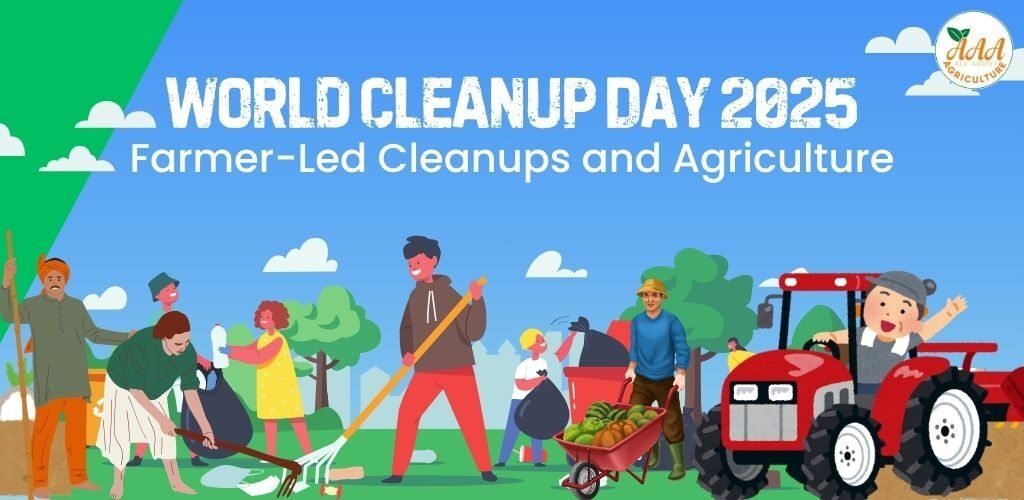
On 20 September 2025, millions of people across 190+ countries will join hands for World Cleanup Day 2025 – now recognized by the United Nations as a global observance. It’s not just another date on the calendar. It’s a chance to shine a light on agricultural waste management and farmer-led cleanups, and how those link directly to soil health, water quality, and clean air. When waste in agriculture isn’t handled properly – plastics, crop residues, packaging – it hurts farmers, crops, and our food supply.
This day matters especially for farmers. In many places, organic waste in farming and leftover crop waste are burned or dumped, which leads to soil degradation and water pollution. Poor waste management in agriculture adds to climate change, reducing yields and increasing costs. The way local and national bodies act – through sustainable farming practices, farm waste recycling, composting for farmers – can make a real difference. In some regions, governments are working on policies or programmes to support farmer awareness programs on waste management, eco-friendly farming, and organic farming and waste reduction.
But farmer-led cleanups are more than just symbolic gestures. They help protect farmland, improve crop yields, and support rural community cleanups and rural sustainability efforts. Waste turned into compost or biogas can restore nutrients to soil and reduce dependence on chemical fertilisers. With World Cleanup Day and agriculture sustainability, farmers gain tools and knowledge: best practices for agricultural waste management 2025, waste management tips for small and marginal farmers, organic waste to compost and biogas solutions. Let’s see how World Cleanup Day connects deeply with agriculture, and what farmers can learn from it.
Why World Cleanup Day Matters for Farmers
World Cleanup Day 2025 is more than a global event. It is also a reminder for farmers about the urgent need for agricultural waste management. Today, farm waste like plastics, crop residues, and chemical packaging is often burned or dumped. This damages soil, pollutes water, and increases air problems. Poor waste management in agriculture not only reduces soil fertility but also harms crops in the long run.
When farmers join farmer-led cleanups, they protect their own land. Cleanups cut losses from polluted water, lower crop damage, and help restore soil health. The benefits of farmer-led cleanups for rural areas also include stronger community ties and better waste habits. That’s why World Cleanup Day and agriculture sustainability must go hand in hand.
Global Movement, Local Impact on Agriculture
Across 190+ countries, people come together for World Cleanup Day initiatives every year. With UN World Cleanup Day initiatives, governments and local groups get stronger policy support. But what makes it more powerful is farmer participation in global cleanup movements.
Examples of community-based environmental cleanups show that rural areas also play a big role. In parts of Africa and Asia, cleanups reduced waste burning in fields and improved water sources. For farmers, this is not just about cleaning villages. It is about linking climate change and agriculture with sustainable living.
- Key impacts of global cleanups on farming:
- Better soil health through less pollution
- Safer water for irrigation
- Awareness of circular economy in farming
Waste Management and Its Impact on Farming
Every farmer deals with organic waste in farming – from crop residues to manure. But when waste is mismanaged, it creates methane, weakens soil, and pollutes rivers. Plastic waste management in agriculture is another growing issue with mulching sheets and chemical containers filling landfills.
The good news is that farmers can turn waste into a resource. Farm waste recycling and composting for farmers improve soil quality. Composting agricultural waste for better crop yield is already helping many small growers cut fertiliser costs. Some even use agricultural waste to compost and biogas solutions, creating energy for farms.
Simple waste management tips for small and marginal farmers include:
- Sorting crop waste before disposal
- Turning farm residues into compost
- Using safe recycling methods for plastic waste
Lessons Farmers Can Learn from World Cleanup Day
World Cleanup Day 2025 teaches farmers that clean land means healthy crops. The role of farmers in World Cleanup Day initiatives is not symbolic – it brings real change. Cleanups create awareness in villages and show how farmers manage agricultural waste effectively.
Farmers can follow best practices for agricultural waste management 2025, such as composting, recycling, and organic inputs. Comparing traditional burning with organic farming and waste reduction methods proves that sustainable choices are more profitable.
By joining rural community cleanups, farmers not only clean their villages but also improve their soil. Awareness programs encourage soil health improvement through composting and better crop rotation practices. In this way, farmers protect their yields and also strengthen food security and sustainable farming.
Role of Technology and Awareness in Agriculture
Technology is making waste management in agriculture more effective. Drones now monitor waste spread in fields, IoT bins help track disposal, and climate-smart agriculture tools guide farmers. These innovations support sustainable farming practices and reduce pressure on the land.
But technology alone is not enough. Farmer awareness programs on waste management and government support are just as important. Local workshops train farmers in farm waste recycling and safe disposal methods. Together, awareness and circular economy in farming approaches can cut waste and increase profits.
- Tech-driven solutions for farmers:
- Smart irrigation to reduce water waste
- Drone mapping for crop residue monitoring
- Biogas units for turning waste into fuel
What Farmers and Citizens Can Do Together
Farmer-led cleanups become stronger when citizens join in. Schools, rural groups, and local councils often work with farmers for community-based environmental cleanups. These joint actions reduce chemicals in farming, support eco-friendly farming, and build rural sustainability.
Even small steps matter: rotating crops, using organic compost, reducing plastics in farming. With farmer awareness programs on waste management, citizens also learn how to support clean food systems. Government schemes that encourage sustainable farming practices and organic waste in farming make these efforts long-lasting.
For farmers, citizens, and policymakers, World Cleanup Day and agriculture sustainability is not just one day of action – it is a long-term path to clean land, healthy crops, and secure food for everyone.
Conclusion / Summary
World Cleanup Day 2025 is not just an urban activity, it is deeply connected with farmers and rural communities. Agricultural waste management is vital for protecting soil fertility, crop health, and clean water. By focusing on farmer-led cleanups and sustainable farming practices, rural areas can play a leading role in building a cleaner and healthier environment.
Farmers must care about this because farmland is directly hit by climate change and agriculture challenges. A clean environment leads to stronger harvests and long-term food security. The global recognition of UN World Cleanup Day initiatives shows how local farmer action has global importance.
Key takeaways for farmers and rural communities:
- Farm waste management = better yields + cleaner environment
- Farmer-led cleanups protect soil and water quality
- Awareness + technology = sustainable farming future
This World Cleanup Day, every farmer has the chance to be part of something bigger. Join or lead a rural community cleanup, manage organic waste in farming responsibly, and turn waste into compost or biogas for healthier soil. Your participation strengthens both your farm and the planet.
Explore detailed information and the full suite of programmes at ALL ABOUT AGRICULTURE. For one-on-one assistance, call us at +91 8484002620.
How does ozone affect crop yield in rural areas?
Ozone pollution can damage plant leaves, reduce photosynthesis, and lower grain quality. Farmers often face reduced harvests when air quality worsens.
Which international days are most relevant for farmers?
Besides World Cleanup Day, farmers should note World Soil Day, World Environment Day, and Earth Day. These highlight soil care, waste reduction, and eco-friendly farming.
What is green manure and how does it help?
Green manure is when farmers grow plants like legumes and then mix them into the soil. It improves soil fertility, reduces chemical use, and supports sustainable farming.
How does waste mismanagement affect groundwater?
Dumped or untreated waste seeps into groundwater, contaminating drinking water and irrigation sources. This can directly affect both human health and crop safety.
Are there government schemes for biogas plants in villages?
Yes, several rural energy schemes support biogas units that use farm waste for cooking gas. Visit ALL ABOUT AGRICULTURE to explore updated scheme details.
Why is crop residue burning harmful for farmers themselves?
Smoke from residue burning reduces air quality, harms farmer health, and decreases long-term soil fertility. Safer options like composting are more beneficial.
Can farmers use solar power for waste management?
Yes, solar-powered shredders and dryers are being promoted in many regions. They help recycle agricultural waste at lower costs.
How does livestock waste connect with farm sustainability?
Cattle and poultry waste, if not managed, pollutes fields and water. But when composted, it becomes an excellent natural fertilizer for crops.
What are community compost pits in villages?
Some villages set up shared compost pits where farmers deposit organic waste. This collective approach reduces dumping and produces natural manure for everyone.
How does climate change increase farm waste problems?
Irregular rainfall and storms damage crops, leaving behind more residues. Without proper management, this extra waste adds to soil and water pollution.
How can schools support farmer cleanups in rural areas?
Schools often join awareness drives and cleanup campaigns. This helps build a culture of responsibility and supports rural community cleanups.
Where can farmers learn more about eco-friendly farming?
Practical guides, subsidy updates, and waste management tips are available at ALL ABOUT AGRICULTURE. Farmers can visit the website to find easy resources.