Buckwheat
Buckwheat
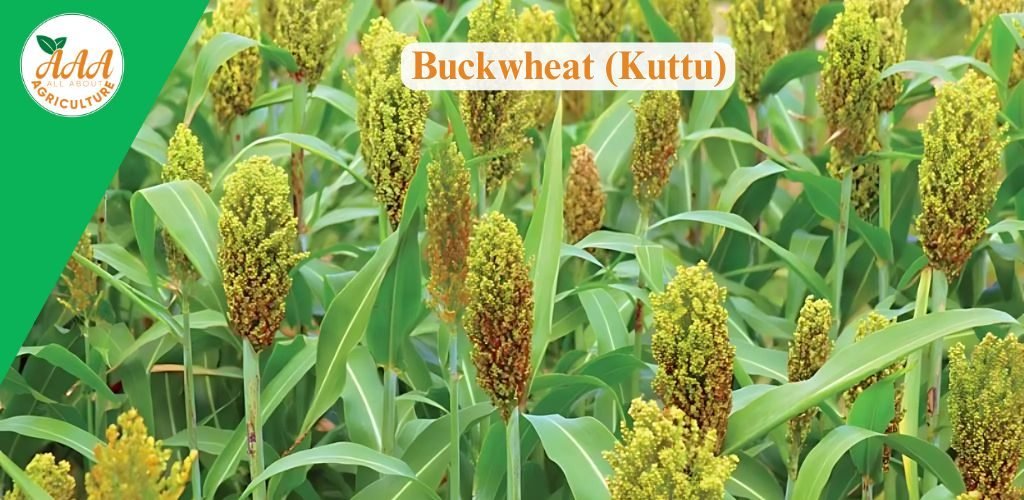

Understanding About Crop
Nutritional Value:
- Buckwheat is rich in protein, dietary fiber, and essential amino acids like lysine, which are rare in cereals.
- It contains important minerals such as magnesium, manganese, phosphorus, and zinc for overall health.
- Gluten-free and easily digestible, making it ideal for gluten-sensitive people and diabetics.
- Contains antioxidants, rutin, and other phenolic compounds that support cardiovascular health.
- Provides complex carbohydrates supplying sustained energy and low glycemic response.
- Seeds are a source of vitamins B1, B2, and folate aiding growth and metabolism.
- Regular consumption improves blood sugar control and lowers cholesterol.
Dietary Diversity:
- Used in porridge, pancakes, noodles, bread, soups, and gluten-free baked goods.
- Popular in traditional cuisines in Asian and European countries.
- Buckwheat flour is a base for pancakes and crepes, especially in gluten-free diets.
- Popped or roasted buckwheat is eaten as snacks and cereals.
- Grain is used in mixed grain salads and side dishes.
- Buckwheat hulls serve as filling for pillows and mattresses due to firmness and breathability.
- Leaves and young shoots can be eaten as greens or fodder.
Economic Importance:
- Buckwheat supports farmers in temperate regions with cool climates and low-input farming.
- Offers a quick-growing, short-season crop alternative, helping diversify farm income.
- All about agriculture provides updates on best varieties, pest control, and market trends for buckwheat.
- Growing interest in gluten-free products expands export and niche market opportunities.
- Processing industries convert buckwheat into flour, noodles, and health foods.
- Residual biomass is used as green manure or animal feed.
- Helps stabilize incomes in marginal areas prone to climate variability.
Crop Rotation:
- Fits well with legumes, cereals, and root crops, breaking pest and disease cycles.
- Crop rotation increases nutrient cycling and improves soil organic matter.
- Reduces weed infestation and helps maintain soil structure and fertility.
- Diverse rotations prevent monoculture risks, improving long-term soil health.
- Helps manage soil moisture and reduces nutrient depletion.
- Allows diversified farm income with less risk.
- Integrates well with organic and sustainable agricultural systems.
Climate Resilience:
- Thrives in cooler temperate and subtropical climates with temperatures of 15–27°C.
- Tolerates low soil fertility and marginal soils better than many cereals.
- Prefers well-drained soils; sensitive to waterlogging and extreme drought.
- A short growing cycle (70–90 days) reduces exposure to adverse weather.
- Flexible sowing times enable adaptation to regional rainfall patterns.
- Resistant to many pests and fungal diseases, reducing crop losses.
- Good crop for mountainous and hilly terrains with cooler microclimates.
Health Benefits:
- Contains rutin and antioxidants, beneficial for heart health and circulation.
- Rich fiber helps digestion and promotes satiety aiding in weight control.
- Blood sugar regulation helps in diabetes management.
- High mineral content strengthens bones and the immune system.
- Gluten-free and hypoallergenic, suited for sensitive individuals.
- May support brain health due to its vitamin and mineral profile.
- Overconsumption may rarely cause allergy; moderation ensures safety.
Key Features
Climate and Soil Requirements
- Grows optimally in 15–27°C temperature and annual rainfall of 500–700 mm.
- Thrives in well-drained sandy loam, loam, or red soils with pH 5.0–7.0.
- Poor tolerance for waterlogging; avoid heavy clay and saline soils.
- Performs well in marginal areas with low fertility and less irrigation.
- Prefers cool, moist climates with moderate humidity.
- Requires open sunlight but can tolerate partial shade.
- Ideal for upland and hilly regions with good drainage.
- Soil organic matter improves yield and drought tolerance.
- Soil testing helps adjust nutrient management accurately.
Land Preparation
- Clear field from weeds, debris, and stones prior to ploughing.
- Deep plough and harrow to fine tilth ensuring moisture retention.
- Incorporate 5–10 tons per hectare of decomposed compost or farmyard manure.
- Prepare seedbeds with ridges or flatbeds depending on soil moisture levels.
- Level land for uniform irrigation and easy sowing operations.
- Use raised beds in high rainfall areas to prevent waterlogging.
- Remove crop residues to reduce disease and pests.
- Fence fields to protect from grazing animals if needed.
- Sanitize tools and maintain cleanliness.
High-Yielding and Hybrid Seed Selection
- Use certified seeds of high-yielding and disease-resistant varieties like PSP-1, Himbeej, and local selections.
- Seeds should be full, clean, and free of damage or pests.
- Purchase from government seed agencies or reputable dealers.
- Test seed germination before sowing with a small sample.
- Store in dry, airtight containers to maintain viability.
- Replace seed stock regularly to maintain genetic vigor.
- Hybrid seeds offer better yields but may require new purchase each season.
- Keep detailed records on seed source and planting dates.
- Select seed suited to local climate and soil conditions.
Seed Treatment
- Soak seeds for 6–8 hours in water before planting to promote faster germination.
- Treat with fungicides such as Carbendazim or Thiram to protect against soil-borne diseases.
- Use biocontrol agents like Trichoderma in organic farming.
- Dry treated seeds adequately to prevent clumping.
- Avoid mixing treated seed with untreated batches.
- Ensure treated seed is handled with care to avoid damage.
- Use labeled containers for treated seed to avoid misuse.
- Disinfect sowing equipment regularly.
- Follow safety protocols during seed treatment.
Sowing and Planting Methods
- Sow at the onset of the rainy season for rainfed cultivation or when soil moisture is adequate.
- Use line sowing with 20–25 cm row spacing and 5–7 cm between plants for uniform crop.
- Broadcast sowing can be done with thinning after emergence.
- Plant seeds 2–3 cm deep for optimal emergence.
- Use seed drills for large-scale uniform planting.
- Mulch after sowing to retain moisture and reduce weed growth.
- Intercrop with legumes to enhance soil nitrogen and diversify income.
- Replace gaps by reseeding within 10–15 days of sowing.
- Maintain clear records of sowing dates and seed types.
Nutrient and Fertilizer Management
- Apply 5–10 tons per hectare organic manure like compost or FYM before sowing.
- Fertilizer dose: Nitrogen 40–60 kg, Phosphorus 20–30 kg, Potassium 20–25 kg per hectare.
- Split nitrogen application: half at sowing, half during vegetative growth.
- Foliar application of zinc and iron may be necessary in deficient soils.
- Avoid excess nitrogen to reduce pest problems and lodging.
- Organic amendments improve soil structure and nutrient availability.
- Precise fertilizer placement enhances uptake and minimizes losses.
- Monitor plant health for nutrient deficiency signs.
- Keep detailed fertilizer records for efficient management.
Irrigation and Water Management
- Foxtail millet requires limited irrigation; supplemental water at germination and flowering benefits yield.
- Avoid over-irrigation to prevent root diseases and nutrient leaching.
- Use drip or sprinkler irrigation where available for water efficiency.
- Mulching conserves soil moisture and reduces irrigation needs.
- Rainwater harvesting supports irrigation during dry spells.
- Irrigate early morning or late evening to minimize evaporation.
- Good drainage prevents waterlogging and pest infestation.
- Regularly check and maintain irrigation systems for efficiency.
- Optimize irrigation scheduling using soil moisture monitoring.
Intercultural Operations
- Start with manual or mechanical weeding 15 days after sowing; repeat as needed.
- Thin plants after 15–20 days to maintain optimal spacing for growth.
- Hoe gently to loosen soil surface and reduce weed burden.
- Apply mulch to suppress weeds and conserve moisture.
- Compost and remove plant debris to reduce pest and disease risks.
- Practice intercropping with pulses for nitrogen fixation and additional income.
- Avoid deep tillage near plants to protect roots.
- Sanitize tools and implement clean farm practices.
- Train workers on proper intercultural techniques.
Pest Management
- Primary pests: aphids, armyworms, shoot flies, and stem borers.
- Use pheromone traps and natural predators before chemical controls.
- Apply neem oil or biopesticides early to control outbreaks.
- Maintain crop sanitation and remove affected plants promptly.
- Rotate crops to reduce pest pressure.
- Avoid repeated use of the same pesticide groups to prevent resistance.
- Educate laborers on pest identification and safe handling of pesticides.
- Keep the field free of weeds to reduce pest habitats.
- Monitor pest populations regularly and spray judiciously.
Disease Management
- Common diseases: leaf spot, rust, blast, and smut.
- Use resistant varieties and certified disease-free seed.
- Sanitize tools and remove infected plants immediately.
- Apply fungicides at first symptoms to stop spread.
- Maintain spacing for airflow and minimize humidity.
- Avoid overhead irrigation during high humidity periods.
- Practice crop rotation to prevent soil-borne diseases.
- Keep detailed records of disease incidence and management.
- Train workers in disease recognition and hygiene.
Harvesting and Post-Harvest Management
- Harvest when seeds turn golden/brown and moisture falls below 14%.
- Cut panicles carefully and dry in shade or sun before threshing.
- Store cleaned, dried grain in airtight containers away from pests.
- Use graded grain for seed and market to improve value.
- Retain straw for fodder or composting to recycle nutrients.
- Avoid delays in harvesting to prevent grain loss and spoilage.
- Maintain hygiene during handling for food safety.
- Keep harvest and storage records for continuous improvement.
- Consider value addition such as milling and gluten-free products.
Other Important Points
- Amaranth plays a vital role as a nutrient-rich, drought-resilient crop.
- Supports gluten-free and healthy diets worldwide.
- Gradual introduction in diets improves adaptability and benefits.
- For latest variety releases, farming innovations, and market insights, visit All about agriculture.
Do’s
- Use high-quality, treated seed.
- Maintain proper irrigation and balanced nutrition.
- Practice timely weeding and pest monitoring.
- Rotate crops and practice field sanitation.
Don'ts
- Don’t sow in waterlogged or poorly prepared soils.
- Don’t apply excessive fertilizer or pesticides.
- Don’t ignore early signs of pest or disease outbreaks.
- Don’t burn crop residues - compost or use for fodder.
What are the best post-harvest practices for buckwheat to maintain grain quality?
After harvesting, dry the grains properly in shade or sun, clean them thoroughly, and store in airtight containers to prevent mold and insect damage.
Can buckwheat be grown successfully in mountainous regions?
Yes, buckwheat is well suited to hilly and mountainous terrain due to its short growing period and tolerance to cooler climates.
What are some traditional dishes made from buckwheat?
Buckwheat is used in making pancakes, porridges, noodles, rotis, and snacks widely enjoyed in various cultures.
How does buckwheat contribute to soil improvement in crop rotations?
Buckwheat’s quick growth suppresses weeds and adds organic matter when ploughed in, improving soil health and fertility for subsequent crops.
What is the ideal seed treatment to enhance buckwheat germination?
Treat seeds with fungicides or bioagents like Trichoderma to protect against seed-borne diseases and improve germination rates.
How can farmers prevent common pests that affect buckwheat?
Regular field monitoring, use of trap crops, timely removal of infected plants, and integrated pest management techniques help control pests naturally.
Is buckwheat gluten-free and safe for people with celiac disease?
Yes, buckwheat is naturally gluten-free and is a safe and nutritious alternative grain for those with gluten sensitivity or celiac disease.
Can buckwheat be intercropped with other crops?
Buckwheat can be intercropped with legumes or vegetables to enhance land use, soil fertility, and farm income without much competition.
How long does it take for buckwheat to mature after sowing?
Buckwheat typically matures within 70 to 90 days, depending on variety and climatic conditions, allowing for quick crop cycles.
What role does buckwheat play in supporting pollinators?
Its flowers attract bees and beneficial insects that improve pollination and support biodiversity in farming ecosystems.
Are there any health concerns related to buckwheat consumption?
Buckwheat is safe for most people, but rare allergic reactions may occur; introducing it gradually in diet is advisable.
Where can growers find the latest market information and cultivation advice on buckwheat?
You will get the most updated and reliable information about buckwheat farming, markets, and seed varieties on our website All about agriculture.