Cashew Nut
Cashew Nut
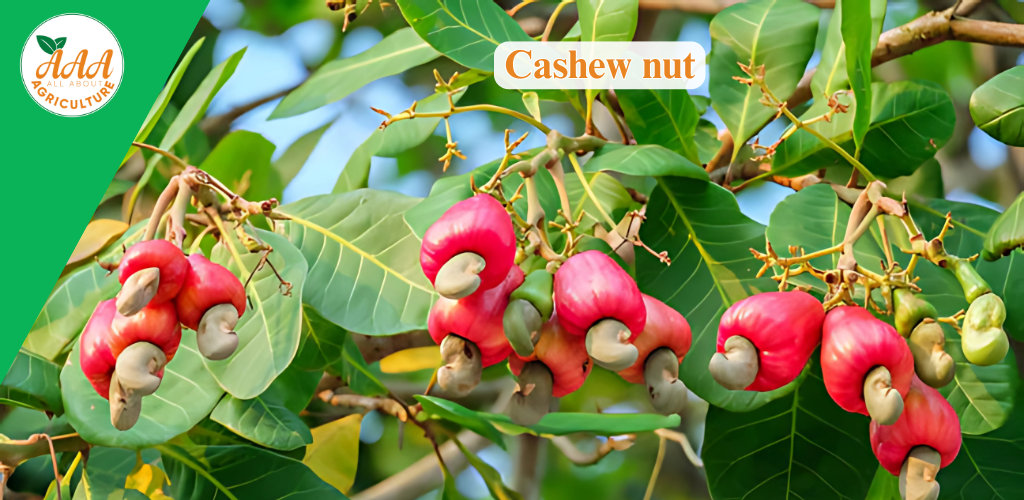
Understanding About Crop
Nutritional Value:
- Cashew nuts are high in healthy fats, mainly monounsaturated fatty acids contributing to heart health.
- Rich source of plant protein, essential minerals like magnesium, copper, zinc, and phosphorus.
- Contain antioxidants such as tocopherols and phenolic compounds supporting immune function.
- Low in sugar and a good source of dietary fiber aiding digestion.
- Provide vitamins E, K, and B-complex essential for body metabolism.
- Consumption in moderation supports bone health and nerve function.
- Raw nuts contain small amounts of urushiol; processed nuts eliminate this irritant.
Dietary Diversity:
- Eaten roasted, salted, raw (after peeling), or used in cooking and baking globally.
- Cashew nut paste or butter is an alternative to peanut butter.
- Cashew milk and cream are popular dairy substitutes in vegan diets.
- Oil extracted from cashew nuts is used in cooking and cosmetics.
- Cashew apple fruit juice is consumed fresh or fermented in some cultures.
- Cashews are used in snack mixes, confectioneries, and savory dishes.
- By-products contribute to animal feed and industrial uses.
Economic Importance:
- Cashew cultivation supports millions of small and large farmers worldwide, especially in India, Vietnam, Ivory Coast, and Nigeria.
- Nuts and cashew apple products contribute significantly to rural incomes.
- Cashew processing industries create jobs in roasting, peeling, and packaging.
- All about agriculture provides updates on market prices, disease control, and improved cultivation practices.
- Export earnings from cashew nuts support national economies.
- Cashew cultivation promotes livelihood diversification and rural development.
- Growing demand globally offers expanding market opportunities for farmers.
Crop Rotation:
- Cashew is often grown in mixed cropping or agroforestry systems with legumes, cereals, or spices for sustainable production.
- Crop rotation breaks pest and disease cycles, especially soil-borne pathogens and nematodes.
- Intercropping incorporates nitrogen-fixing plants enriching soil nitrogen.
- Rotation prevents nutrient depletion and improves soil structure.
- Enhances biodiversity and reduces chemical fertilizer dependency.
- Supports soil moisture retention and reduces erosion.
- Planning rotation with complementary crops improves overall farm resilience.
Climate Resilience:
- Cashew thrives in tropical climates with temperature between 24–28°C and annual rainfall of 800–1200 mm.
- Can tolerate moderate drought due to deep rooting but is sensitive to waterlogging.
- Prefers well-drained sandy loam to lateritic soils with pH 5–6.5.
- Young trees are vulnerable to frost and winds; mature trees have better resilience.
- Use of mulching and proper irrigation minimizes stress during dry spells.
- Climate-resilient cultivars help in adapting to variable weather patterns.
- Planting on gentle slopes aids drainage and root health.
Health Benefits:
- Cashews promote heart health by reducing LDL cholesterol and increasing HDL cholesterol.
- Rich antioxidants reduce oxidative stress and inflammation.
- Help regulate blood sugar and support weight management due to high protein and fiber.
- Contain zinc and copper important for bone health and immune function.
- Cashew nut oil supports skin health and wound healing.
- Allergies are possible but uncommon with processed nuts.
- Moderate consumption supports overall wellness and vitality.
Key Features
Climate and Soil Requirements
- Cashew grows best in tropical regions with 24–28°C temperature and well-distributed 800–1200 mm annual rainfall.
- Prefers light, well-drained sandy loam, red, or lateritic soils with pH range 5.0 to 6.5.
- Tolerant to drought but sensitive to prolonged waterlogging affecting root health.
- Avoid heavy clay and saline soils which impair growth.
- Requires good sunlight exposure for flowering and fruit setting.
- Protect orchards from strong winds during flowering to minimize fruit drop.
- Soil rich in organic matter improves root development and yield.
- Regular soil testing enables tailored nutrient application.
- Slightly acidic soils enhance nutrient availability.
Land Preparation
- Clear site of weeds, stumps, rocks, and other debris before planting.
- Deep plough or till soil to loosen the top 30–40 cm to aid root development.
- Incorporate 10–15 tons/ha of compost or farmyard manure to improve fertility.
- Create planting pits about 60×60×60 cm, mixing topsoil with organic matter.
- Level the field for even water distribution and prevent waterlogging.
- Ensure good drainage, particularly in heavier soil areas.
- Establish windbreaks on exposed sites if needed.
- Remove weeds thoroughly before planting to reduce competition.
- Avoid planting in frost-prone or saline patches.
High-Yielding and Hybrid Seed Selection
- Select certified seedlings propagated by grafting or budding for uniformity and disease resistance.
- Use improved varieties known for early bearing and high yield such as Vengurla-4, Anakkayam, or local hybrids.
- Avoid using seeds from wild or uncultivated trees to prevent poor performance.
- Purchase planting material from trusted nurseries or government schemes.
- Replace old or poor-yielding trees periodically to maintain orchard productivity.
- Test new varieties in small plots prior to large-scale planting for adaptability.
- Store seeds properly in cool, dry conditions before planting.
- Maintain records of seed sources and performance for future management.
- Use disease-free planting material to limit pest and disease spread.
Seed Treatment
- Treat seeds or grafts with fungicides to prevent damping-off and fungal infections.
- Use biocontrol agents in nurseries to reduce chemical use and improve resistance.
- Maintain hygiene in nurseries and regularly inspect seedlings for pests and diseases.
- Harden seedlings before transplanting by reducing water slightly.
- Avoid overcrowding in seedbeds to prevent disease outbreak.
- Use insect repellents or biological insecticides to control nursery pests.
- Monitor and remove any affected seedlings promptly.
- Use clean tools and gloves to avoid cross-contamination.
- Apply soil solarization if needed to reduce pathogen loads.
Sowing and Planting Methods
- Plant grafted seedlings during onset of monsoon or rainy season for optimal establishment.
- Space trees at 7–9 meters apart depending on variety and soil fertility.
- Plant in pits filled with a mixture of soil and decomposed manure or compost.
- Ensure no contact between graft union and soil to avoid disease.
- Water immediately after planting and maintain moisture during establishment.
- Mulch around the base to conserve moisture and reduce weed competition.
- Stake seedlings if needed to protect from wind damage.
- Fill in any gaps early with healthy seedlings to maintain orchard uniformity.
- Avoid transplanting during extremely dry or frost-prone periods.
Nutrient and Fertilizer Management
- Apply well-decomposed organic manure at 10–15 tons/ha annually to maintain soil health.
- Use recommended fertilizer doses such as 60-90 kg N, 40-60 kg P2O5, 40-60 kg K2O per hectare per year.
- Split fertilizer into multiple applications during vegetative growth and flowering.
- Use micronutrient sprays (boron, zinc) during flowering to promote fruit set.
- Avoid excessive nitrogen to prevent excessive vegetative growth reducing nut yield.
- Regular soil and leaf analysis help tailor fertilization programs.
- Incorporate biofertilizers to enhance nutrient uptake and soil microbial activity.
- Suitable timing of fertilizer applications boosts flowering and yields.
- Monitor plant health and adjust nutrient management accordingly.
Irrigation and Water Management
- Cashew trees require moderate irrigation mainly during dry periods for good nut development.
- Drip irrigation promotes water efficiency and healthy root zones by avoiding waterlogging.
- Young plantations need more frequent watering than mature ones.
- Avoid over-irrigation that leads to root diseases and nutrient leaching.
- Mulch improves moisture retention and reduces evaporation losses.
- Schedule irrigation based on rainfall patterns and soil moisture monitoring.
- Rainwater harvesting helps supplement irrigation in dry regions.
- Proper irrigation promotes flowering and reduces premature nut drop.
- Maintain clean irrigation lines to prevent blockage and pathogen spread.
Intercultural Operations
- Regular weeding reduces competition and improves soil aeration for roots.
- Mulching inhibits weed growth, improves moisture retention, and moderates soil temperature.
- Prune dead, diseased, or unproductive shoots to enhance air circulation.
- Remove fallen leaves and nuts to prevent pest and disease build-up.
- Intercrop with nitrogen-fixing plants or vegetables for diversified income and improved soil.
- Avoid heavy machinery near roots to prevent compaction.
- Maintain farm sanitation to minimize pest habitats.
- Train workers in safe pruning and intercultural practices.
- Conduct regular inspections and timely interventions.
Pest Management
- Common pests: tea mosquito bug, stem and nut borers, aphids, and mealybugs.
- Use integrated pest management: pheromone traps, biocontrol agents, and selective pesticides.
- Encourage natural predators like ladybugs and parasitic wasps.
- Remove infested parts and practice sanitation.
- Rotate pesticide groups to prevent resistance build-up.
- Follow recommended pesticide application schedules for best results.
- Employ barrier methods like sticky traps or neem extracts.
- Train laborers for pest identification and safe chemical use.
- Monitor pest populations continuously.
Disease Management
- Diseases: powdery mildew, anthracnose, collar rot, and leaf spot.
- Use resistant cultivars and certified planting materials to reduce risk.
- Apply fungicides during critical growth stages as per guidelines.
- Remove and destroy diseased plant parts promptly.
- Maintain proper spacing to improve airflow and sunlight exposure.
- Avoid overhead irrigation to minimize leaf wetness.
- Practice crop rotation and field hygiene to control pathogens.
- Sanitize tools and pruning instruments regularly.
- Maintain field records for disease monitoring.
Harvesting and Post-Harvest Management
- Harvest nuts when the cashew apples fall or change color indicating maturity.
- Use sharpened tools to avoid damaging trees during nut collection.
- Separate nuts from apples and dry nuts under the sun for 3–4 days.
- Store dried nuts in moisture-free conditions for extended shelf life.
- Follow proper roasting of shells to remove caustic oils before shelling.
- Grade nuts by size and quality for market preference.
- Process nuts into kernels and other products to add value.
- Maintain hygiene in processing areas to avoid contamination.
- Prompt marketing reduces post-harvest losses and ensures better prices.
Other Important Points
- Cashew orchards contribute to agroforestry and biodiversity.
- By-products like cashew shell liquid have industrial applications.
- Allergies to cashew nuts exist; consume processed forms with care.
- For updated farming practices, pest alerts, and market information visit All about agriculture.
Do’s
- Use certified grafted seedlings for uniformity and quality.
- Apply balanced fertilizers and irrigate appropriately.
- Monitor orchards regularly for pests and diseases.
- Practice mulching and clean intercultural operations.
Don'ts
- Don’t plant in poorly drained or frost-prone lands.
- Don’t overuse chemical pesticides or fertilizers.
- Don’t ignore early pest or disease signs.
- Don’t allow dense shade to reduce flowering.
How long does it take for a cashew tree to start producing nuts?
Cashew trees usually begin to bear nuts about 3 to 5 years after planting, with full production after 8 to 10 years.
What are the best organic pest control methods for cashew plantations?
Neem oil sprays, natural predators like ladybugs, and cultural practices such as field sanitation help manage key pests sustainably.
Can cashew apples be used besides nut production?
Yes, cashew apples are used for juice, jams, vinegar, and even alcohol fermentation, adding value to the crop.
How often should cashew trees be irrigated during dry seasons?
Irrigation is recommended every 10-15 days during dry spells, especially when flowering and nut formation are underway.
What soil preparation techniques improve cashew tree growth?
Deep ploughing, pit filling with organic manure, and maintaining good drainage create a conducive environment for root development.
Which are common diseases affecting cashew, and how can they be prevented?
Powdery mildew and anthracnose are common; prevention includes resistant varieties, regular spraying, and removing affected plant parts.
How can cashew farmers manage nutrient deficiencies effectively?
Regular soil testing and foliar sprays of micronutrients like zinc and boron help correct deficiencies for healthy growth.
What role do beneficial insects play in cashew cultivation?
Beneficial insects help control pests naturally, reducing the need for chemical pesticides and promoting ecological balance.
Can cashew trees tolerate saline soil conditions?
Cashew can tolerate moderate salinity but perform best in well-drained, non-saline soils for optimum nut yield.
What are the typical harvesting indicators for mature cashew nuts?
Mature nuts naturally fall to the ground or show color changes on the cashew apple, signaling ideal harvest time.
How important is pruning for cashew tree health and yield?
Pruning removes dead or crowded branches, improving air circulation, sunlight penetration, and enhancing fruit quality and yield.
Where can cashew nut growers find reliable market trends and technical advice?
Visit our website All about agriculture for up-to-date prices, pest management, and best cultivation practices tailored to cashew farming.