Chickpea
Chickpea
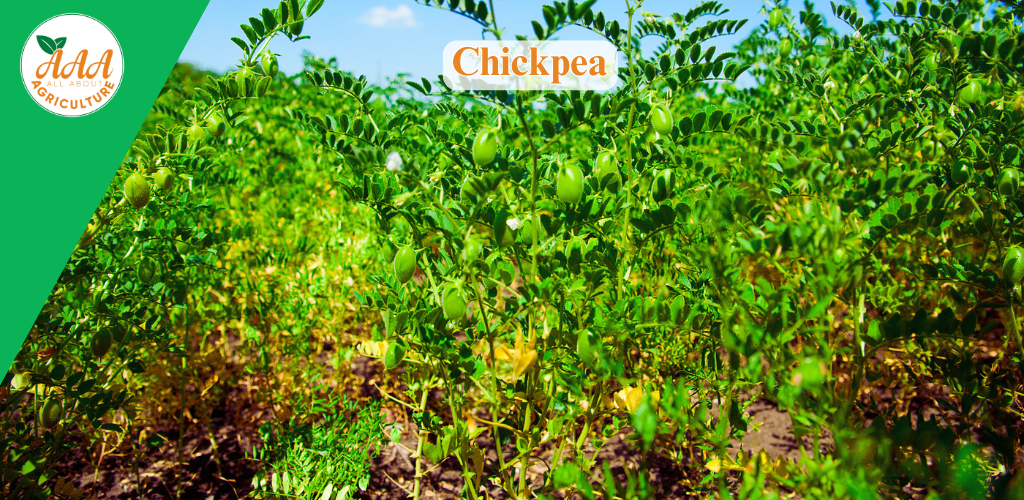
Understanding About Crop
Nutritional Value:
- Chickpeas are rich in protein, dietary fiber, minerals like iron and phosphorus, and vitamins.
- They provide a plant-based protein source making them essential for vegetarian and vegan diets.
- Their complex carbohydrates ensure steady energy release, supporting long-lasting stamina.
Dietary Diversity:
- Including chickpeas enhances meal variety and boosts micronutrient intake.
- Used in soups, stews, snacks, and flours, chickpeas cater to diverse culinary traditions worldwide.
- Their fiber-rich profile aids digestion and promotes gut health across populations.
Economic Importance:
- Chickpea farming provides stable income for smallholder farmers due to its demand in local and export markets.
- Low input costs combined with good market prices offer profitable cultivation.
- Processing industries for dals, snacks, and flours add value to farmers’ produce.
Crop Rotation:
- Chickpeas fix atmospheric nitrogen, enriching the soil for succeeding crops and reducing fertilizer needs.
- Their cultivation in rotation with cereals like wheat and barley breaks pest and disease cycles.
- Crop diversification via chickpeas increases overall farm sustainability and soil health.
Climate Resilience:
- Tolerant to drought and cooler temperatures during growing and maturation phases.
- Suitable for semi-arid and rainfed regions with moderate rainfall (400-600 mm).
- Short maturity period (90-120 days) allows fitting into multiple cropping systems.
Health Benefits:
- Aid blood sugar control, heart health, and weight management due to low glycemic index.
- Rich in antioxidants and anti-inflammatory compounds supporting overall wellness.
- Support immune function and promote longevity through balanced nutrition.
Key Features
Climate and Soil Requirements
Temperature Range:
- Prefers 10°C to 30°C for optimal growth; sensitive to extreme heat during flowering causing flower drop.
- Moderate cool temperatures at early stages promote better nodulation and pod formation.
- Frost can damage seedlings, so sowing timing avoids cold spells.
Rainfall and Moisture:
- Annual rainfall of 400-600 mm is ideal, with moisture critical at germination and flowering stages.
- Excess water or waterlogging leads to root diseases and poor crop performance.
- Supplemental irrigation during dry spells supports pod development.
Soil Type:
- Thrives in well-drained loam to sandy loam soils with pH between 6.0 and 7.5, promoting nutrient availability.
- Avoid heavy clay or waterlogged soils which impair root growth.
- Adding organic matter improves structure, water retention, and nutrient holding capacity.
Site Selection:
- Select fields free from recent chickpea or pulse crops to prevent pest buildup.
- Rotation with cereals and oilseeds supports soil health and pest control, as advised by All about agriculture.
Land Preparation
Tillage:
- Plough thoroughly 2–3 times to break clods and get a fine seedbed; helps root penetration and seed-soil contact.
- Harrow multiple times to remove weeds and level soil surface evenly.
Soil Fertility:
- Incorporate 3–5 tons/ha of well-rotted farmyard manure or compost 2–3 weeks before sowing to boost nutrients and water holding.
- Avoid fresh manure close to sowing to reduce disease risk.
Weed and Debris Control:
- Remove crop residues, stones, and weed roots that harbor pests or diseases.
- Clean land supports uniform germination and healthy seedling growth.
Pre-Sowing Irrigation:
- In rainfed or dry areas, apply light pre-sowing irrigation to ensure soil moisture for better seed germination and reduced sowing stress.
High-Yielding and Hybrid Seed Selection
Seed Source:
- Use certified, high-quality seeds from reputable sources to ensure purity and vitality.
- Avoid mixed or farm-saved seeds to reduce disease and ensure yield consistency.
Variety Selection:
- Choose varieties adapted to local climate and soil, such as Desi types (JG 315, Pusa 372) or Kabuli types (KAK 2).
- Select disease-resistant and high-yielding varieties recommended by agricultural experts or All about agriculture.
Seed Testing:
- Conduct simple germination and purity tests before sowing to ensure seed quality.
Replacement Cycle:
- Renew seeds every 2-3 years to maintain vigor and reduce disease burden.
Hybrid Seeds:
- Explore hybrid options where available for better yields and resilience.
Seed Treatment
Fungal Protection:
- Treat seeds with fungicides like Thiram, Carbendazim (2g/kg seed) to prevent root rot, wilt, and seed-borne diseases.
- Uniform coating enhances protection effectiveness.
Biofertilizer Use:
- Inoculate seeds with Rhizobium or PSB to boost nitrogen fixation and phosphorus availability for vigorous early growth.
Drying:
- Dry treated seeds in shade before sowing to preserve seed vitality.
Benefit:
- Seed treatment reduces pesticide needs later and supports stronger, uniform crop establishment.
Sowing and Planting Methods
Sowing Time:
- Recommended planting from mid-October to mid-November in regions with cool winters; earlier sowing improves yields.
Seed Depth and Spacing:
- Sow seeds 5-7 cm deep for good moisture contact; maintain 30-45 cm spacing between rows and 10-12 cm between plants.
- Proper spacing improves aeration, sunlight exposure, and reduces disease.
Seed Rate:
- Use 60-80 kg/ha seed for Desi types, 100-120 kg/ha for Kabuli.
Sowing Tools:
- Use seed drills for uniform penetration; broadcasting is less recommended due to uneven stands.
Moisture:
- Ensure soil moisture at sowing for quick germination and seedling vigor.
Nutrient and Fertilizer Management
Organic Amendments:
- Incorporate farmyard manure or compost (3-5 tons/ha) to improve soil biological activity and nutrient supply.
Chemical Fertilizers:
- Apply phosphorus (20-40 kg/ha) at sowing and moderate nitrogen (20-30 kg/ha) considering nitrogen-fixing nature of chickpea.
- Zinc and sulfur micronutrients improve pod formation and yield quality.
Split Application:
- Basal fertilizers at sowing and small top-dressing during flowering if needed.
Soil Testing:
- Follow soil test results to optimize fertilizer use efficiently.
Irrigation and Water Management
Water Needs:
- Chickpeas mostly grow rainfed but require careful irrigation at flowering and pod filling to prevent stress.
Irrigation Timing:
- One or two irrigations depending on rainfall; avoid over-irrigation to prevent root rot.
Waterlogging Avoidance:
- Well-drained soil prevents stand losses; water should never stagnate.
Water Use Efficiency:
- Mulching and moisture conservation support crop growth during dry spells.
Intercultural Operations
Weeding:
- Perform 2-3 rounds of hand weeding or mechanical weeding during early growth stages to reduce competition.
Hoeing:
- Light hoeing improves aeration and nutrient absorption.
Herbicide Use:
- Apply selective herbicides only when weed pressure justifies it.
Residue Management:
- Incorporate crop residues to recycle nutrients and build soil health.
Pest Management
Major Pests:
- Watch for pod borers, aphids, cutworms, and leaf miners which can reduce grain and plant vigour.
Monitoring:
- Regular scouting during flowering and podding stages for early detection.
Control Methods:
- Use neem-based biopesticides first, chemical insecticides only if required.
Cultural Controls:
- Crop rotation and clean fields reduce pest populations naturally.
Disease Management
Common Diseases:
- Powdery mildew, wilt, root rot, and ascochyta blight affect pods and roots.
Prevention:
- Use disease-resistant varieties and fungicide-treated seeds.
Crop Rotation:
- Avoid repeated pea or pulse cropping in the same field.
Field Sanitation:
- Remove and destroy infected material.
Harvesting and Post-Harvest Management
Harvest Timing:
- Harvest when 90% pods turn golden brown and seeds harden.
Harvest Methods:
- Use sickles or combine harvesters; stack to dry if harvested green.
Threshing:
- Do after sufficient drying using mechanical or manual methods.
Storage:
- Store seeds at 12% moisture in clean, dry, pest-proof places.
Market Awareness:
- Time selling for best prices based on market trends from All about agriculture.
Other Important Points
- Chickpea improves soil nitrogen helping subsequent crops and reduces chemical use.
- It’s an important crop in rainfed farming boosting rural economy and nutrition.
- Continue learning with updated agronomy advice via All about agriculture for best results and sustainability.
Do’s
-
Use certified seeds suited for your region.
-
Prepare fine seedbeds and maintain soil fertility.
-
Monitor crops regularly for pests and diseases.
-
Apply recommended fertilizers and irrigation timely.
Don'ts
-
Don’t sow too late or in very dry soils.
-
Don’t use untreated or old seeds.
-
Don’t over-irrigate causing waterlogging.
-
Don’t ignore weed or pest infestations.
Frequently Asked Questions
How can farmers naturally control chickpea pod borer without harmful chemicals?
Farmers use integrated pest management combining pheromone traps, biocontrol agents like Bacillus thuringiensis (Bt), and neem seed kernel extracts to reduce pod borer damage. Early pest monitoring and releasing natural enemies help control populations sustainably, limiting pesticide reliance.
What are the best crop rotation options to reduce chickpea diseases?
Rotating chickpea with cereals like wheat, maize, or non-leguminous crops breaks disease cycles such as wilt and root rot. Crop rotation improves soil health and reduces pest buildup, ensuring better yields and long-term sustainability for pulse cultivation.
How does deep summer ploughing help in pest management for chickpea?
Deep ploughing after harvest destroys crop residues that harbor pests and pathogens. It also helps expose soil-dwelling insects to sunlight and predators, reducing soil-borne pest populations and lowering future infestation risks in chickpea fields.
What are the advantages of early sowing for chickpea crops?
Early sowing helps chickpea avoid late-season drought and heat stress during flowering and pod filling stages. It encourages vigorous growth, better nodulation for nitrogen fixation, and higher yield potential by utilizing favorable weather windows.
Which organic soil amendments are effective for improving chickpea growth?
Incorporating well-decomposed farmyard manure, neem cake, or vermicompost enriches soil organic matter, improves fertility, and supports beneficial microbes. Organic amendments enhance soil moisture retention and natural disease resistance, promoting healthier chickpea crops.
How can intercropping benefit chickpea cultivation?
Intercropping chickpea with mustard, linseed, coriander, or sorghum diversifies farm income, suppresses weeds, and reduces pest pressure. Companion plants may attract beneficial insects or act as trap crops, improving overall productivity and ecological balance.
What is the role of neem-based products in chickpea pest management?
Neem oil or seed kernel extracts act as natural insecticides providing effective control of aphids, pod borers, and other pests without harming beneficial insects. They degrade quickly, are safe for the environment, and reduce chemical pesticide residues in chickpea.
How does synchronous sowing in a village improve chickpea yield?
When farmers in an area sow chickpea simultaneously, pest populations spread less easily and natural enemies work better. This community approach reduces overall pest damage and increases productivity by disrupting pest life cycles.
What are practical ways to protect chickpea seedlings from soil insects?
Treating seeds before sowing with effective fungicides and insecticides protects against seed and soil-borne pests. Maintaining clean fields by removing weeds and diseased plants minimizes soil insect populations that harm young seedlings.
How does Marigold planting help in chickpea cultivation?
Planting marigold as a border or intercrop repels nematodes and other soil pests and attracts beneficial insects that prey on chickpea pests. This natural pest management improves chickpea health and reduces the need for chemicals.
What are the important aspects of chickpea field monitoring for pest management?
Regular weekly scouting after 20 days of sowing involves checking random spots and counting pests vs beneficial insects. Keeping records helps decide pest control needs timely, avoiding unnecessary pesticide use and promoting sustainable farming.
How do government or agricultural bodies support chickpea farmers?
Local agricultural offices and schemes provide certified seeds, training on integrated pest management, and subsidies for inputs like biofertilizers or organic amendments. Farmers can also access market info and extension support through digital platforms like All about agriculture.