Cocoa
Cocoa
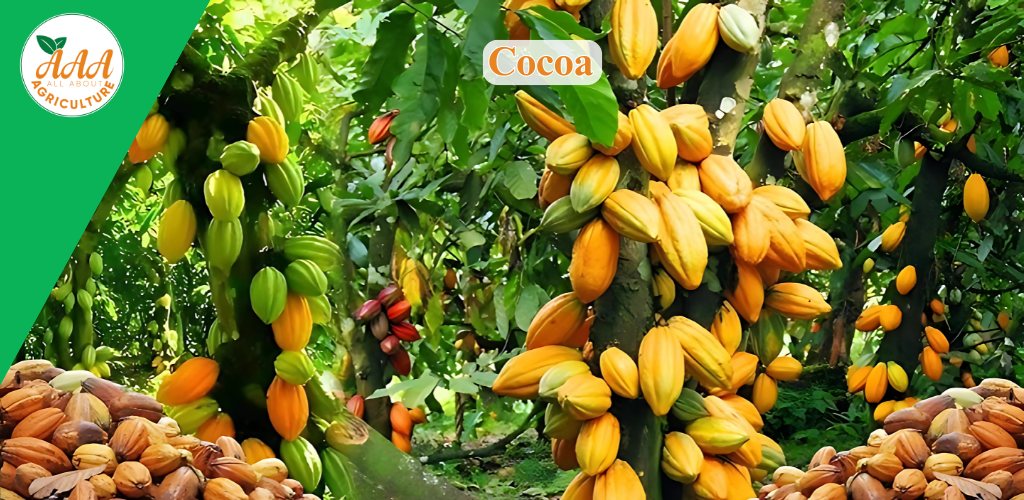
Understanding About Crop
Nutritional Value:
- Cocoa beans are sources of carbohydrates, proteins, healthy fats, and rich in antioxidants like flavonoids.
- They offer minerals such as magnesium, iron, and potassium, supporting heart and brain health.
- Cocoa-based products give energy and micronutrients but should be consumed in moderation as chocolates and sweets can be high in sugar.
Dietary Diversity:
- Cocoa is used to make chocolate, cocoa powder, butter, drinks, candies, and even cosmetics or skin creams.
- Its versatility makes it a staple for bakeries, beverages, desserts, and flavorings in many world cuisines.
- Eating pure dark chocolate from cocoa gives more health benefits than sugar-loaded chocolates.
Economic Importance:
- Millions of farmers rely on cocoa for income, as it’s a major export for many tropical countries.
- Cocoa farming supports jobs in processing, marketing, and trade, beyond the farm level.
- All about agriculture provides guidance on production, market rates, and care for profitable cocoa farming.
Crop Rotation:
- Cocoa fields benefit from rotation and intercropping with plantains, bananas, or food crops to maintain soil health.
- Shading with non-competitive trees improves microclimate, soil structure, and organic matter.
- Rotating crops and mixing with legumes helps fix soil nitrogen, reduce pests, and prevent disease buildup.
Climate Resilience:
- Cocoa thrives in hot, humid climates, preferring temperatures of 21–32°C and high, year-round rainfall (1,500–2,000mm).
- Sensitive to drought, very strong winds, and frost, it grows best as an understorey with shade trees.
- Proper mulching and management help the crop survive short dry periods.
Health Benefits and Side Effects:
- Eating cocoa in moderation can support heart and brain health due to antioxidants and minerals.
- Overeating cocoa or chocolates can lead to caffeine overload, weight gain, and sugar-related health issues.
- Some people may be allergic to cocoa; watch for rashes or discomfort after eating.
Key Features
Climate and Soil Requirements
- Cocoa grows best in warm, humid climates with temperatures 21–32°C, high humidity, and over 1,500mm of well-distributed yearly rainfall.
- Deep, well-drained loam or clay loam soils with pH between 5.0–7.5 are ideal.
- Avoid waterlogged, rocky, or saline sites as roots require loose, fertile earth rich in organic matter.
- Consistent shade from tall trees protects young plants from strong sunlight and wind.
- Good site selection and land grading reduce erosion and water stagnation risks.
Land Preparation
- Clear and remove old stumps, rocks, and weeds from the planting area; plough lightly to break hardground.
- Incorporate organic compost, well-rotted manure, and leaf litter into topsoil for nutrients and moisture retention.
- Design fields with proper rows, 3x3m to 4x4m spacing, to ensure enough air and light for all cocoa plants.
- Establish windbreaks or plants along natural contours to reduce storm and soil erosion damage.
- Early land prep is important, as cocoa trees are long-lived and deep-rooted.
High-Yielding and Hybrid Seed Selection
- Select certified, high-yielding varieties or hybrids, such as Amelonado, Forastero, or Trinitario strains.
- Grafted or budded plants from disease-free mother trees offer improved yields and resistance.
- Never use seeds from unhealthy or unknown trees – quality planting stock determines future output and disease risk.
- Maintain clone records and seek regular updates from research stations for best options.
- Mix clones for greater resilience and yield stability in changing climates.
Seed Treatment
- Soak seeds in clean water for 24 hours before sowing, and treat with fungicide/biofertilizer if disease is a problem.
- Use sterilized nursery soil to prevent diseases like damping off; keep beds shaded and well-watered.
- Discard weak, rotting, or fungal-infected seeds to avoid nursery failures.
- Transplant only healthy, robust seedlings aged 4–6 months with strong roots into main fields.
- Handle young seedlings gently to prevent damage; harden off seedlings before shifting.
Sowing and Planting Methods
- Direct sowing or nursery-grown seedling transplant are options, with planting at the start of wet season for better establishment.
- Space plants 3–4 meters apart in rows, ensuring shade cover and room for wide canopies.
- Dig planting pits (50x50x50cm) and fill with topsoil, compost, and some sand for easy root growth.
- Mulch plant base with organic matter to retain soil moisture and reduce weeds.
- Fill gaps promptly after mortality for even canopy development and yield potential.
Nutrient and Fertilizer Management
- Annual application of well-rotted farmyard manure or compost (10–15kg/tree) improves fertility and soil life.
- Chemical fertilizers (NPK 20:10:10) can be applied 2–3 times a year, split between rainy seasons.
- Use foliar sprays of micronutrients (magnesium, zinc) if deficiency symptoms show (leaf yellowing, slow growth).
- Avoid excessive nitrogen, which causes lanky growth and poor fruiting; balance nutrients for healthy pods.
- Soil tests every 2–3 years guide fertilizer programs and cost efficiency.
Irrigation and Water Management
- Cocoa requires frequent soil moisture, especially during flowering and pod filling; light, regular watering is best.
- Drip irrigation or basin watering helps conserve water and reach deep roots.
- In high rainfall areas, ensure good surface drainage to prevent root rot and fungal diseases.
- Mulching and ground cover plants limit evaporation and help keep roots cool.
- Water stress lowers flowering and results in small or empty pods.
Intercultural Operations
- Weed regularly, especially near young plants, as competition reduces water and nutrient uptake.
- Prune branches yearly to shape canopies, improve air flow, and promote sunlight for pod development.
- Remove sucker shoots and old/dead wood to discourage pests, diseases, and improve harvesting ease.
- Maintain or renew shade trees for stable microclimate and protection overall plantation.
- Fill blank spaces quickly, and monitor for soil erosion after heavy rains for quick repair.
Pest Management
- Main pests are cocoa pod borer, mealybugs, mirids (capsids), and stem borers – look for holes, premature pod fall, and sticky secretions.
- Regular monitoring, early picking of infested pods, and using natural predators or biopesticides can reduce pest numbers.
- Pheromone traps and sticky boards are useful to identify and manage certain insects.
- Avoid overuse of chemicals; always follow suggested doses and waiting periods to protect beneficial insects.
- Clean up fallen pods and debris to break pest cycles.
Disease Management
- Key diseases include black pod rot, witches’ broom, and swollen shoot virus.
- Remove and bury or burn infected pods and shoots fast to stop spread; sanitize cutting tools after use.
- Fungicide/bactericide sprays may help but use only when necessary and according to guidelines.
- Use only resistant or tolerant varieties and keep up with local disease alerts.
- Practice field sanitation and good hygiene always.
Harvesting and Post-Harvest Management
- Harvest pods when color changes from green/yellow/purple to orange or reddish, and seeds rattle inside.
- Use sharp knives to cut pods without damaging stem or buds.
- Ferment beans for 5–7 days to develop flavor, then dry in sun or dryers till moisture is 6–7%.
- Store dry beans in jute bags in cool, dry, ventilated places to avoid molds and insect attacks.
- Grade and pack beans according to market standards for top price.
Other Important Points
- Cocoa trees improve biodiversity by supporting shade, birds, and ecological balance in agroforestry systems.
- Overconsumption of cocoa/snacks can lead to health issues; eat with moderation.
- Keep fields, tools, and storage spaces clean to prevent spread of diseases and get top prices for beans.
- For latest schemes, crop tips, and market news, visit All about agriculture.
Do’s
- Use only healthy, grafted or certified seedlings and high-yielding clones.
- Prune, mulch, and feed trees regularly for best growth and pod set.
- Scout fields for signs of pests or diseases and act quickly.
- Harvest pods as soon as ripe to avoid over-ripening and pest buildup.
Don'ts
- Don’t plant cocoa in poorly drained, saline, or frost-prone soils.
- Don’t delay weed control or pruning - it affects yield and plant health.
- Don’t overuse fertilizers or sprays; balance care for plants and the environment.
- Don’t harvest immature pods; check color changes and pod size.
How does intercropping benefit cocoa plantations?
Intercropping cocoa with bananas, plantains, or legumes provides shade, enriches soil nitrogen, supports biodiversity, and diversifies farmer income.
What methods help protect cocoa trees from fungal diseases?
Regular pruning, removing infected pods, applying fungicides on time, and maintaining good field sanitation reduce fungal infections like black pod disease.
How can farmers improve fermentation of cocoa beans?
Proper fermentation using correct bean layering, aeration, and timing develops flavor, reduces bitterness, and increases market value of cocoa beans.
What organic pest control options are effective against cocoa pests?
Neem oil, botanical extracts, natural predators, and bioinsecticides control pests sustainably, minimizing chemical residues and environmental impact.
How does shade management influence cocoa yield and quality?
Optimal shade reduces heat and water stress, encourages better bean development, and improves microclimate, enhancing yield and flavor quality.
What are common signs of nutrient deficiencies in cocoa plants?
Yellowing leaves, poor pod development, and slow growth often indicate nitrogen, magnesium, or potassium deficiency, corrected by balanced fertilization.
How does climate variability affect cocoa production?
Unpredictable rainfall and temperature extremes stress plants, reduce flowering, and increase pest/disease outbreaks, requiring adaptive management.
What are the uses of cocoa husks after processing?
Cocoa husks are used as organic mulch, animal feed, or raw material for bioenergy, reducing waste and supporting sustainable farming.
How can farmers ensure the longevity and productivity of cocoa trees?
Regular pruning, pest/disease monitoring, timely fertilization, and maintaining proper shade help keep trees healthy and productive for many years.
What harvesting practices optimize cocoa bean quality?
Harvest pods when ripe but before overripening, avoid damaging pods during picking, and promptly process beans to retain flavor and prevent mold.
How does post-harvest drying affect cocoa bean market value?
Even, sun or mechanical drying to optimal moisture (6-7%) prevents mold, preserves quality, and increases demand in global cocoa markets.
Where can cocoa farmers get latest research and market info?
Reliable updates, crop advice, training, and market trends are available online, including on our website All about agriculture for informed decision-making.