Coffee
Coffee
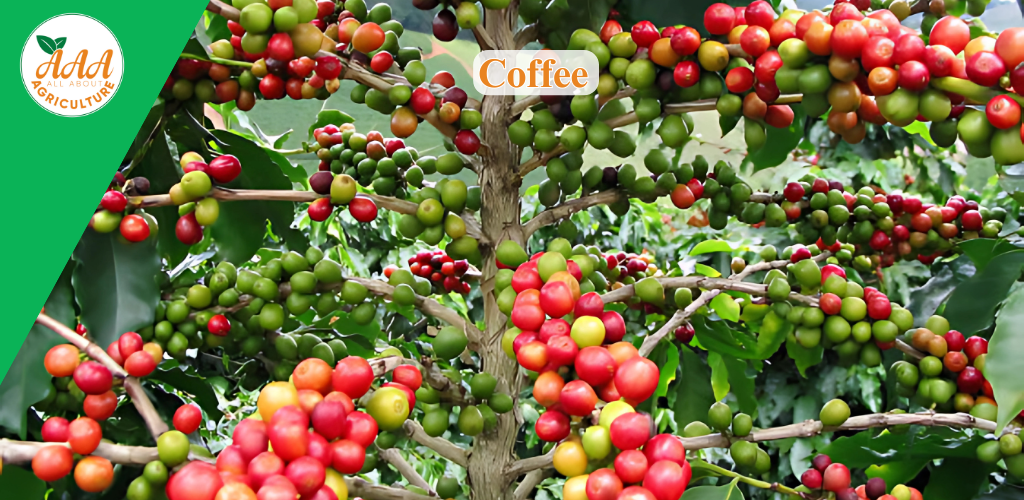
Understanding About Crop
Nutritional Value:
- Coffee beans are rich in antioxidants, caffeine, vitamins such as B2 and B3, and minerals like magnesium and potassium.
- These substances offer energy, improve mental alertness, and provide protective benefits against diseases.
Dietary Diversity:
- Coffee is consumed globally as a beverage in various forms: espresso, filter coffee, instant coffee, and cold brews.
- It is also used in flavoring foods, cosmetics, and traditional medicines, enhancing cultural and culinary diversity.
Economic Importance:
- Coffee cultivation is a major global industry, supporting millions of farming families and driving economies, especially in tropical countries.
- It contributes substantially through export earnings and employment from farm to cup.
- All about agriculture offers farmers market updates and cultivation tips to boost yield and profitability.
Crop Rotation:
- Coffee is often intercropped with legumes, fruit trees, and shade vegetation to improve soil fertility and pest management.
- Rotation and intercropping enhance biodiversity, reduce erosion, and support sustainable farming systems.
Climate Resilience:
- Coffee plants prefer tropical highlands with temperatures between 15-24°C, and elevations of 600-2000 meters.
- They require consistent rainfall (1200-2200 mm) and shade conditions to protect from sun stress.
- Extreme heat, frost, or drought stress reduces yield and quality.
Health Impacts and Side Effects:
- Moderate coffee consumption boosts alertness, metabolism, and has antioxidant effects.
- Excess caffeine intake can cause jitters, sleep disturbances, and heart palpitations in sensitive individuals.
Key Features
Climate and Soil Requirements
- Coffee thrives in well-drained, fertile, volcanic soils rich in organic matter with pH 6.0-6.5.
- A stable humid climate with temperature averaging 15-24°C and rainfall of 1200-2200 mm annually is ideal.
- Altitude between 600-2000 meters for Arabica and lower elevations for Robusta suit different coffee types.
- Excessive heat or frost can severely damage coffee crops.
- Soil testing and amendments enhance nutrient availability and root system health.
Land Preparation
- Clear land of debris, rocks, and weeds and plough deeply to make soft soil beds for planting.
- Incorporate well-rotted organic manure or compost to enrich soil and improve water retention.
- Level land carefully to secure proper drainage, preventing waterlogging and root diseases.
- Raised beds or terraces can help on slopes to reduce erosion.
- Well-prepared land encourages uniform coffee seedling growth and reduces early crop stress.
High-Yielding and Hybrid Seed Selection
- Select disease-resistant, high-yield varieties like Arabica (Typica, Bourbon) or Robusta hybrids adapted to the local environment.
- Certified seeds or grafted plants ensure genetic purity and strong growth.
- Choose cultivars based on market demands, climate, and altitude suitability.
- Renewing planting material reduces vulnerability to pests and diseases.
- Use grafted seedlings and promising hybrids for better quality and higher yield.
Seed Treatment
- Seed soaking and fungicide treatment reduce seed-borne diseases and improve germination rates.
- Use biofertilizers (Rhizobium, mycorrhiza) to enhance root function and nutrient absorption.
- Seed beds should be free of weeds and pests, with regular monitoring.
- Proper seed handling boosts nursery success rates and early vigor in coffee plants.
- Follow nursery sanitation protocols to minimize disease transmission.
Sowing and Planting Methods
- Direct sowing or nursery transplanting is preferred; seedlings are shifted when 4-6 leaf stage is reached (3-6 months old).
- Spacing commonly ranges 2.5-3 meters between plants to allow canopy development and airflow.
- Interplanting with shade trees helps maintain microclimate suitable for coffee beans.
- Timing depends on local rainfall; planting before monsoon ensures better seedling establishment.
- Uniform planting density and shade management optimize growth and yield.
Nutrient and Fertilizer Management
- Base fertilizer application on soil test recommendations; typical needs include nitrogen, phosphorus, potassium, and micronutrients like magnesium and zinc.
- Organic manures and compost improve soil structure and microbial activity, enhancing root growth.
- Slow-release fertilizers and foliar feeding boost nutrient availability throughout the crop cycle.
- Nitrogen supports vegetative growth, potassium improves bean quality, and phosphorus aids root development.
- Balanced fertilization improves crop resilience to pests and drought.
Irrigation and Water Management
- Coffee requires regular moisture, especially during flowering and berry development stages.
- Drip irrigation conserves water and prevents waterlogging which can cause root diseases.
- Mulching aids soil moisture retention and soil temperature regulation.
- Water stress reduces yield and bean size, while excessive irrigation dilutes sugars in beans.
- Scheduling irrigation based on soil moisture monitoring enhances water use efficiency.
Intercultural Operations
- Regular weeding reduces competition for nutrients and moisture.
- Pruning maintains plant shape, stimulates new growth, and improves aeration reducing fungal diseases.
- Shade tree management balances light exposure and temperature stress.
- Removing dried or diseased plant parts reduces inoculum sources.
- Timely intercultural care supports healthy coffee development and yield stability.
Pest Management
- Common pests include coffee berry borer, coffee leaf rust, aphids, and nematodes.
- Use integrated pest management strategies combining cultural control, biological agents, and pesticides carefully.
- Regular field monitoring and early intervention prevent outbreaks.
- Promote beneficial insects and avoid broad-spectrum pesticides to maintain biodiversity.
- Follow government and expert advisories for pesticide use and pest control.
Disease Management
- Major diseases: coffee leaf rust, coffee berry disease, and root rot.
- Use resistant varieties and clean planting material to minimize risks.
- Apply fungicides based on disease forecasting and regular scouting.
- Practice good field sanitation and crop rotation where possible.
- Early disease detection and prompt treatment are essential for crop health.
Harvesting and Post-Harvest Management
- Pick coffee cherries when fully ripe, usually bright red for Arabica and yellow-green for Robusta.
- Harvest selectively to maintain quality and reduce unripe or overripe beans.
- Process berries quickly after harvest with wet or dry methods to avoid fermentation defects.
- Proper drying and storage protect bean quality and flavor.
- Follow market quality standards to maximize price.
Other Important Points
- Coffee cultivation supports biodiversity and shade trees, improving ecosystem health.
- Excessive caffeine intake can cause health issues; moderate consumption is advised.
- Coffee waste can be used as organic fertilizer or bioenergy source.
- Stay informed on new varieties, best practices, and market trends via All about agriculture.
Do’s
- Select certified seeds and maintain balanced nutrition.
- Use shade trees and proper irrigation techniques.
- Monitor pests and diseases routinely and adopt integrated management.
- Harvest at optimum ripeness for best quality coffee beans.
Don'ts
- Don’t plant in poorly drained or frost-prone areas.
- Don’t overuse chemical fertilizers or pesticides.
- Don’t ignore early signs of pest or disease damage.
- Don’t delay pruning or harvesting, which affects quality.
What are the differences between Arabica and Robusta coffee plants?
Arabica plants grow best at higher altitudes, produce smoother, aromatic coffee with lower caffeine, while Robusta thrives at lower altitudes, has a stronger, bitter flavor, and higher caffeine content.
How does coffee processing affect flavor profiles?
Processing methods like washed (wet), natural (dry), or honey processing influence taste; wet-processed coffee is cleaner and acidic while natural is fruity and complex, affecting consumer preference and pricing.
What role does shade management play in coffee farming?
Shade trees protect coffee plants from intense sun and wind, help retain soil moisture, enhance biodiversity, and improve bean quality by slowing maturation for complex flavors.
How can coffee farmers improve soil quality naturally?
Incorporating cover crops, organic compost, and mulching helps reduce erosion, improves nutrient cycling, increases microbial activity, and boosts coffee plant health sustainably.
What are the key pests affecting coffee crops and their control?
Coffee berry borer, leaf miners, and scale insects are common pests; integrated pest management including natural predators, biopesticides, and monitored pesticide use controls damage.
How does climate change impact coffee production?
Rising temperatures and erratic rainfall threaten optimal coffee growing zones, increase pest/disease pressures, and may reduce yields; adaptive practices like new varieties and water management can help.
What are cobenefits of intercropping in coffee plantations?
Intercropping with spices, fruits, or legumes diversifies income, improves soil fertility through nitrogen fixation, reduces pests, and promotes agro-biodiversity in coffee systems.
How important is caffeine content in coffee marketing?
Caffeine influences coffee strength and consumer choice; Arabica’s lower caffeine is seen as smoother, while Robusta’s higher caffeine appeals to strong coffee buyers and instant coffee makers.
What traditional medicinal uses does coffee have?
Beyond brewing, coffee has been used in folk medicine for digestion, as an antioxidant source, and even in topical applications for skin stimulation and pain relief.
How should coffee be stored post-harvest to retain freshness?
Keep dried coffee beans in cool, airtight containers away from moisture, light, and strong odors to preserve aroma and prevent mold or insect infestation.
What irrigation practices are best for coffee farms?
Drip irrigation is water-efficient and supports even moisture without causing waterlogging, through targeted watering during dry periods, protecting root health and bean quality.
Where can coffee farmers find updated farming techniques and market trends?
Reliable, up-to-date information on farming practices, pest management, and market developments is available on our website All about agriculture.