Cucumber
Cucumber
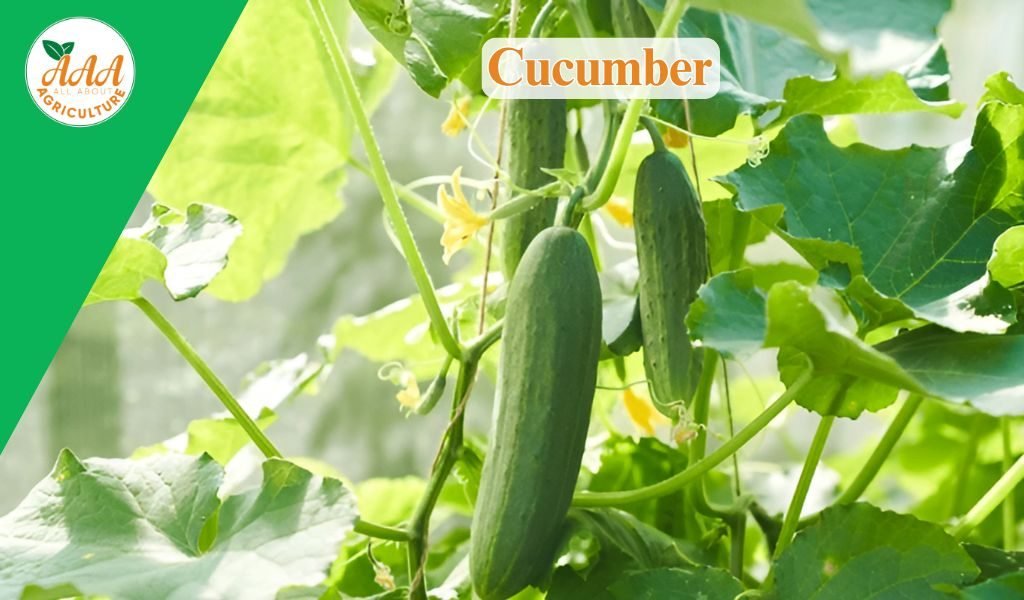
Understanding About Crop
Nutritional Value:
- Cucumbers are low in calories but rich in water (about 95%), making them excellent for hydration and weight management.
- They contain vitamins K, C, B-complex, and minerals such as potassium and magnesium.
- Presence of antioxidants like flavonoids and tannins helps protect against oxidative damage.
- Cucumbers provide dietary fiber promoting digestive health.
- Natural anti-inflammatory properties help reduce swelling and discomfort.
- Cucumbers have diuretic effects aiding detoxification.
- They contribute to skin health when consumed or applied topically.
Dietary Diversity:
- Eaten raw in salads, pickles, juices, and traditional dishes worldwide.
- Used in cosmetics, skincare, and natural therapies for its cooling and hydrating effects.
- Ingredients in weight loss diets and detox plans due to low calories and high water content.
- Different varieties like slicing, pickling, and mini cucumbers offer texture and flavor diversity.
- Used fresh or processed as chips or dried powders.
- Added to beverages for freshness and flavor enhancement.
- Cultural medicinal uses include relief from sunburn and inflammation.
Economic Importance:
- Cucumber is a popular cash crop globally with high market demand in fresh and processed forms.
- It supports smallholder farmers and large commercial growers.
- Processing units produce pickles, chips, juices, and cosmetics components.
- Export of cucumbers and processed products contributes to foreign exchange earnings.
- All about agriculture provides vital market trends and agronomy updates for growers.
- Crop income helps diversify farm enterprises alongside cereals or vegetables.
- Availability year-round in some regions supports continuous employment.
Crop Rotation:
- Rotate cucumbers with legumes, cereals, or other vegetables to restore soil nutrients and break pest cycles.
- Crop rotation prevents soil-borne diseases like Fusarium wilt and nematode infestations.
- Incorporates nitrogen-fixing crops for improved fertility.
- Reduces reliance on chemical pesticides and fertilizers.
- Maintains soil health and structure.
- Encourages biodiversity and reduces monoculture risks.
- Effective rotation schedules increase productivity and sustainability.
Climate Resilience:
- Prefers warm climates with temperatures 20–30°C and moderate humidity.
- Sensitive to frost and extreme heat; excessive dryness reduces flowering and fruit set.
- Requires 500-700 mm well-distributed rainfall or supplemented irrigation.
- Shade provision and mulching moderate soil temperature and conserve moisture.
- Growing cucumber varieties suitable for climate variability improves yield.
- Mulching and drip irrigation help withstand dry spells.
- Proper scheduling avoids crop stress from climatic extremes.
Health Benefits:
- Helps regulate body hydration and detoxification due to high water content.
- Contains antioxidants and anti-inflammatory compounds beneficial for chronic disease prevention.
- Supports healthy skin, reduces swelling, and may aid in blood sugar regulation.
- Nutrient content promotes cardiovascular and digestive health.
- Low in calories, contributing to weight management diets.
- May have mild laxative effects promoting regular bowel movements.
- Excessive consumption rarely causes allergies or digestive discomfort.
Key Features
Climate and Soil Requirements
- Optimal growing temperature ranges from 20°C to 30°C; temperatures below 15°C or above 35°C are harmful.
- Prefers well-drained sandy loam or loamy soils rich in organic matter with pH 6.0 to 7.0.
- Waterlogging in heavy soils causes root rot and stunted growth.
- Moderate humidity (50–70%) supports healthy plant development.
- Full sunlight exposure is critical for flowering and fruit maturation.
- Avoid frost-prone areas as cucumber is frost-sensitive.
- Soil testing is recommended before planting for nutrient management.
- Efficient drainage systems prevent water stagnation.
- Proper site selection improves yield and reduces pest/disease incidence.
Land Preparation
- Clear land of weeds, stones, and plant debris ensuring a clean seedbed.
- Deep plough or rotary till to 20–25 cm for loose, friable soil suited for root expansion.
- Incorporate organic matter such as farmyard manure or compost (about 10 tons/ha) to enhance fertility and moisture retention.
- Level the land to ensure uniform water distribution during irrigation.
- Create raised beds or mounds in heavier soils for better drainage.
- Keep fields free of previous crop residues to reduce pests and diseases.
- Avoid soil compaction and clods to encourage uniform germination.
- Plan field layout for easy access and intercultural operation.
- Maintain soil pH at 6.0 to 7.0 with regular monitoring.
High-Yielding and Hybrid Seed Selection
- Use certified hybrid varieties with high yield potential, disease resistance, and market-preferred fruit quality.
- Select seeds with high germination rates (>85%) and uniformity for consistent crop growth.
- Hybrids often produce fruits with better shelf life, size, and shape.
- Use seeds from trusted suppliers or government agencies to ensure quality.
- Avoid planting saved seeds repeatedly to prevent quality degradation.
- Test seed germination before sowing to estimate seed requirements.
- Monitor seed lot performance, shift to better varieties over time.
- Store seeds in low humidity, cool conditions for longevity.
- Evaluate new varieties through small trial plots before wider adoption.
Seed Treatment
- Treat seeds with recommended fungicides like Thiram or Captan before sowing to prevent fungal seed-borne diseases.
- Soak seeds in water for 8 to 10 hours to enhance germination speed.
- Use bio-fungicides and bio-pesticides when available for eco-friendly pest control.
- Maintain nursery hygiene and disinfect seedbeds regularly to reduce disease incidence.
- Use insecticides to control seedling pests in nurseries.
- Wear proper personal protective equipment when handling chemicals.
- Sow treated seeds promptly to maintain effectiveness.
- Monitor seedlings for early signs of fungal or pest attack.
- Avoid mixing treated and untreated seeds.
Sowing and Planting Methods
- Direct sowing: sow seeds 2–3 cm deep in well-prepared seedbeds or nursery trays 4–6 weeks before transplanting.
- Transplant seedlings at 4–5 leaf stage, spacing 60–90 cm between rows and 45–50 cm between plants.
- Sow at the onset of warm weather/rainy season to ensure sufficient moisture.
- Maintain uniform planting depth and spacing to avoid overcrowding.
- Harden seedlings by reducing water 5–7 days before transplantation.
- Irrigate immediately after planting to reduce transplant shock.
- Mulch around plants to conserve soil moisture.
- Fill gaps 7–10 days post-planting to maintain density.
- Use labor-saving tools or mechanized seeders to improve efficiency.
Nutrient and Fertilizer Management
- Apply well-decomposed organic manure (7–10 tons/ha) before planting.
- Use balanced chemical fertilizers (e.g., 100-150 kg N, 60-80 kg P2O5, 100-120 kg K2O per hectare) split during growth stages.
- Nitrogen promotes foliage growth, potassium improves fruit quality and shelf life.
- Apply secondary nutrients like calcium and magnesium if deficiency symptoms appear.
- Foliar feeding enhances micronutrient supply during flowering and fruit development.
- Avoid excess nitrogen which delays fruit ripening and encourages disease.
- Use soil tests to guide fertilizer application rates for cost and environmental efficiency.
- Complement chemical fertilizers with organic inputs to sustain soil health.
- Timely fertilizer application increases yield and quality.
Irrigation and Water Management
- Tomatoes require consistent moisture with 600–800 mm seasonal water, critical during flowering and fruiting.
- Drip irrigation is preferred for water efficiency and disease control.
- Avoid waterlogging to prevent root rot and nutrient leaching.
- Mulching reduces evaporation and buffers soil temperature fluctuations.
- Irrigate in early morning or late evening to reduce evaporation losses.
- Adjust irrigation frequency based on weather and soil moisture monitoring.
- Prolonged drought or irregular water supply causes blossom drop and poor fruit setting.
- Rainwater harvesting can supplement irrigation in dry areas.
- Proper irrigation scheduling maximizes fruit size and sugar content.
Intercultural Operations
- Frequent weeding reduces nutrient and water competition.
- Thin seedlings to optimal spacing for good air circulation and light penetration.
- Earthing up near plant bases strengthens roots and reduces moisture stress.
- Remove diseased or dead foliage to reduce pathogen reservoirs.
- Mulching suppresses weeds and conserves moisture.
- Support plants with stakes or trellises to reduce breakage and improve fruit quality.
- Avoid soil compaction through careful movement.
- Practice crop rotation and sanitation to reduce pest and disease pressure.
- Timely intercultural care improves plant vigor and yield consistency.
Pest Management
- Major pests include aphids, whiteflies, armyworms, thrips, and fruit borers.
- Use integrated pest management incorporating biological controls and targeted, safe chemical use.
- Employ sticky traps and pheromone traps for monitoring pest populations.
- Encourage beneficial insects (ladybugs, lacewings) for natural pest control.
- Rotate pesticides to reduce resistance development.
- Remove infested debris and volunteer plants promptly.
- Follow recommended economic threshold limits before chemical application.
- Avoid broad-spectrum pesticides that harm natural enemies.
- Train farm workers in pest recognition and safe pesticide application.
Disease Management
- Early blight, late blight, fusarium wilt, bacterial spot, and powdery mildew are frequent diseases.
- Use resistant varieties, proper seed treatment, and planting hygiene to reduce disease onset.
- Remove and destroy infected plant material promptly.
- Maintain plant spacing and airflow to reduce humidity.
- Apply fungicides or bactericides as guided by field scouting.
- Avoid overhead watering to limit leaf wetness.
- Rotate crops to prevent disease residue buildup.
- Keep detailed records of disease outbreaks for management improvement.
- Use integrated disease management including cultural and chemical methods.
Harvesting and Post-Harvest Management
- Harvest tomatoes at appropriate ripeness for targeted markets – firm and fully colored.
- Handle fruits gently to reduce bruising and maintain shelf life quality.
- Use clean collection containers and shade transport to prevent heat damage.
- Store tomatoes at 10–15°C with ventilation to prolong freshness.
- Rapid post-harvest processing for puree and sauces reduces spoilage.
- Sort and grade before sale for better market prices.
- Avoid exposure to ethylene or damaged produce in storage.
- Practice good hygiene to reduce contamination or spoilage.
- Timely marketing prevents price drops and keeps produce fresh.
Other Important Points
- Tomatoes improve dietary nutrition and provide farmer livelihoods globally.
- Excessive intake may cause digestive issues in sensitive individuals.
- Compost crop residues to enhance field soil for next crops.
- For latest tips, pest alerts, and market updates, visit All about agriculture online.
Do’s
-
Use certified, high-quality seeds and treat them before sowing.
-
Maintain balanced fertilizer application based on soil tests.
-
Irrigate properly to maintain consistent soil moisture.
-
Monitor regularly for pests and diseases and take timely action.
Don'ts
-
Don’t sow seeds too deep or overcrowd plants.
-
Don’t allow waterlogging which harms roots.
-
Don’t overuse pesticides or ignore safety measures.
-
Don’t delay harvesting to avoid fruit damage and losses.
How does proper trellising improve cucumber yield and quality?
Trellising keeps vines upright, improves air circulation, reduces fruit contact with soil, lowers disease risk, and helps in uniform fruit development.
What organic pest control methods are effective for cucumbers?
Neem oil, insecticidal soaps, and introducing natural predators like ladybugs help control pests sustainably with minimal chemical use.
How can soil health be maintained in cucumber farming?
Regular addition of organic matter, crop rotation, and cover cropping prevent nutrient depletion and improve soil structure for healthy plant growth.
What irrigation practices best support cucumber plants?
Drip irrigation saves water, keeps soil evenly moist, reduces fungal diseases, and delivers nutrients efficiently to roots.
How do local climate conditions affect cucumber flowering and fruiting?
Temperature and humidity influence pollen viability and fruit set; extreme heat or dryness can cause flower drop and poor yield.
What are the benefits of using mulching in cucumber cultivation?
Mulching conserves soil moisture, suppresses weeds, regulates soil temperature, and prevents soil-borne diseases affecting cucumbers.
How important is seed quality for cucumber production?
High-quality seeds ensure uniform germination, strong seedlings, and healthy plants, directly impacting yield and fruit quality.
What post-harvest handling tips prolong cucumber freshness?
Handle fruits gently, keep them cool and moist (10–13°C, 90–95% humidity), and avoid skin damage to extend shelf life.
How can cucumber farmers manage common diseases like powdery mildew?
Use resistant varieties, apply biopesticides, improve airflow through pruning, and avoid overhead watering to control fungal diseases.
Can cucumbers be grown year-round in greenhouses?
Yes, controlled temperature and humidity in greenhouses enable off-season production, higher yields, and better-quality cucumbers.
What crop combinations work well with cucumbers in intercropping?
Beans, radishes, and leafy greens grow well with cucumbers, optimizing space, fixing nitrogen, and reducing pests naturally.
Where can cucumber growers find reliable market and cultivation advice?
Visit trusted sources like our website All about agriculture for updated market prices, pest alerts, and best farming practices.