French Bean
French Bean
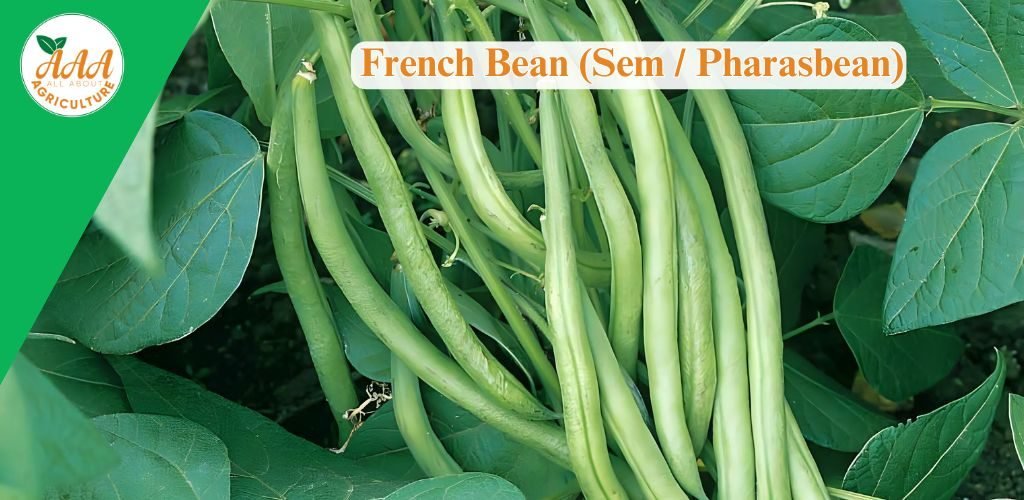
Understanding about Crop
Nutritional Value:
- French Bean (Sem / Pharasbean) is rich in protein, fiber, vitamins A, C, K, and minerals like iron and calcium. It supports immunity, bone health, and digestion. Low in calories, it is ideal for weight management and healthy diets. For detailed nutrition facts, visit All about agriculture.
Dietary Diversity:
- French Bean (Sem / Pharasbean) can be eaten fresh, cooked in curries, stir-fries, soups or dried and ground into flour. Its versatility adds variety and nutrition to daily meals and suits all age groups.
Economic Importance:
- French Bean (Sem / Pharasbean) is a high-value vegetable crop with significant market demand. It provides good income through fresh pods and seeds with year-round cultivation potential. All about agriculture offers market price and input cost guidance.
Crop Rotation:
- Including French Bean (Sem / Pharasbean) in crop rotations improves soil fertility by fixing nitrogen and helps break pest and disease cycles. Rotations with cereals and vegetables increase farm sustainability and yields.
Climate Resilience:
- French Bean (Sem / Pharasbean) grows best in temperatures between 15–24°C, requiring moderate rainfall and well-drained soils. It is moderately sensitive to temperature extremes and does well in frost-free climates.
Health Benefits and Side Effects:
- Rich in antioxidants and dietary fiber, French Bean (Sem / Pharasbean) promotes heart health, digestion, and weight control. Rare allergies exist; thorough cooking reduces anti-nutrients and improves digestibility.
Other Important Points:
- Plant residues enrich soil organic matter, and beans contribute to nutritional security. For more cultivation tips, check All about agriculture.
Key Features of French Bean
Climate and Soil Requirements
- Optimal growth at 15–24°C; sensitive to frost and heat extremes.
- Requires well-drained sandy loam to clay loam soils with pH 5.5–6.5.
- Soil must retain moisture but not stay waterlogged to prevent root diseases.
- Sensitive to salinity and water stagnation.
- Raised beds improve drainage in heavy rain zones.
- Soil rich in organic matter promotes healthy root and pod growth.
- Suitable for hill and plain areas with proper temperature and moisture balance.
- Regular soil testing guides nutrient application for better yields.
- Avoid heavy, compacted soils for best performance.
Land Preparation
- Conduct 2-3 deep ploughings followed by harrowing and leveling.
- Eliminate weeds and crop residues to reduce pest infestation.
- Incorporate well-rotted manure or compost to boost soil fertility.
- Prepare ridges or flat beds depending on soil and moisture conditions.
- Ensure loose soil for good seed-to-soil contact.
- Avoid heavy machinery that compacts soil.
- Maintain field moisture before sowing seeds.
- Proper land prep prevents seedling diseases and supports root development.
- Plan irrigation systems during land preparation.
High-Yielding and Hybrid Seed Selection
- Select certified seeds of popular varieties like Arka Komal, Ooty FB 2, and Pusa Parvati.
- Hybrid seeds offer higher yields, disease resistance, and uniform growth.
- Opt for bush/dwarf or climbing types based on space and market demand.
- Select healthy, undamaged, well-sized seeds for high germination.
- Avoid stale, broken, or pest-infested seeds.
- Choose seeds adapted to local climate and soil conditions.
- Test small batches before large-scale sowing.
- Store seeds in cool, dry places to preserve viability.
- Purchase seeds from reliable sources with quality assurance.
Seed Treatment
- Treat seeds with fungicides like Thiram or Carbendazim to prevent fungal attacks.
- Use Rhizobium or biofertilizers to promote nitrogen fixation and plant health.
- Avoid prolonged soaking; treat seeds shortly before sowing.
- Dry seeds in shade post-treatment to avoid heat damage.
- Biofungicides promote soil microbial diversity and disease resistance.
- Follow manufacturer instructions for dosage and application safety.
- Store treated seeds properly for best germination rates.
- Chemical treatments protect against soil-borne pathogens.
- Seed treatment improves seedling establishment and yield potential.
Sowing and Planting Methods
- Sow seeds 3–5 cm deep with 15–30 cm spacing in rows 60 cm apart.
- Sow indoors for early planting or directly after last frost outdoors.
- Seed rates vary from 25–60 kg/ha depending on variety and type.
- Use line sowing for better plant care and harvest.
- Support climbing varieties with poles or trellises for optimum growth.
- Water after sowing to maintain seedbed moisture.
- Thin seedlings to maintain ideal plant population.
- Time sowing to avoid extreme temperatures during flowering.
- Use mulch to conserve soil moisture and control weeds.
Nutrient and Fertilizer Management
- Nitrogen requirements are moderate but crucial during flowering and pod set.
- Apply 40–60 kg/ha phosphorus and 30–40 kg/ha potassium as basal doses.
- Use organic manures to improve soil structure and microbial health.
- Foliar micronutrient application (zinc, magnesium) can improve yield.
- Avoid excessive nitrogen to prevent excessive vegetative growth.
- Apply fertilizers based on soil test results for balanced nutrition.
- Use compost or vermicompost to enhance nutrient availability.
- Split fertilizer into multiple applications during crop stages.
- Balanced nutrition ensures pod quality and quantity.
Irrigation and Water Management
- Keep soil moist during flowering and pod fill, avoiding water stress.
- Use drip or furrow irrigation for efficient water application.
- Avoid over-irrigation; waterlogging can cause root rot and reduce yield.
- Mulching conserves soil moisture and reduces evaporative loss.
- Stop irrigation 10–15 days before harvest to allow pod drying.
- Schedule irrigation depending on weather and soil moisture monitoring.
- Use rainwater harvesting techniques whenever feasible.
- Prevent late-season drought stress for better pod development.
- Soil moisture conservation enhances overall crop health.
Intercultural Operations
- Weed twice: early and before flowering stages to reduce competition.
- Earthing-up increases root aeration and nutrient uptake.
- Remove diseased plants promptly to prevent spread.
- Use mulching or cover crops to suppress weeds and retain moisture.
- Fill gaps by replanting early-season to maintain uniformity.
- Practice crop rotation to reduce pest pressure.
- Use manual or mechanical weed control as appropriate.
- Avoid excessive soil disturbance to protect roots.
- Monitor regularly for pest and disease early signs.
Pest Management
- Typical pests: aphids, thrips, pod borers, and whiteflies.
- Implement Integrated Pest Management (IPM) using cultural, biological, and chemical methods.
- Use neem oil and biopesticides as ecofriendly controls.
- Regular inspection and timely intervention are key to pest control.
- Destroy infested crop residues to prevent pest carryover.
- Limit chemical use to thresholds to protect beneficial insects.
- Use resistant varieties when available.
- Encourage natural predators like ladybugs and spiders.
- Keep field edges clean and free of weeds.
Disease Management
- Diseases: powdery mildew, mosaic virus, and root rot impact French Bean.
- Use treated seeds and resistant cultivars.
- Maintain proper spacing for airflow reducing fungal infections.
- Remove diseased plants and destroy to control disease spread.
- Practice crop rotation with non-legumes to reduce pathogen load.
- Use fungicides judiciously following expert recommendations.
- Avoid overhead irrigation to reduce leaf wetness.
- Clean equipment to minimize pathogen transmission.
- Monitor fields regularly for early disease detection.
Harvesting and Post-Harvest Management
- Harvest French Beans when pods are tender and green for fresh consumption.
- For dry seeds, harvest when pods turn brown and dry.
- Use clean tools to cut pods or plants carefully.
- Sun-dry dry pods to reduce moisture content before threshing.
- Store seeds in cool, airtight containers to maintain quality.
- Regularly inspect stored seeds for pests and fungal damage.
- Process fresh beans quickly for best taste and nutrition.
- Avoid mixing seed lots in storage to maintain quality standards.
- Proper post-harvest care enhances marketability and shelf life.
Other Important Points
- French Bean (Sem / Pharasbean) residues improve soil organic matter when composted.
- The crop supports sustainable farming by fixing nitrogen.
- It is important for nutritional security, especially in vegetarian diets.
- Soaking beans reduces cooking time and antinutrients.
- Increasingly used in ready-to-eat and frozen vegetable products.
- Continual research improves French Bean varieties for yield and disease resistance.
- For detailed cultivation tips and latest updates, visit All about agriculture.
Do’s
- Use high-quality, treated French Bean (Sem / Pharasbean) seeds.
- Follow recommended plant spacing and sowing depth.
- Apply balanced organic and chemical fertilizers based on soil tests.
- Monitor and control pests and diseases promptly.
- Maintain weed-free fields to reduce competition.
- Use mulch to conserve moisture and suppress weeds.
- Provide supports for climbing varieties.
- Harvest at the right time to prevent losses.
- Store seed and produce in pest-free conditions.
Don'ts
- Don’t use old or damaged seeds.
- Don’t over-water or cause waterlogging.
- Don’t delay pest or disease management.
- Don’t neglect crop rotation practices.
- Don’t burn residues; compost them instead.
- Don’t oversupply nitrogen causing excessive foliage.
- Don’t harvest late to avoid seed shattering.
- Don’t store seeds in damp, hot environments.
- Don’t ignore soil testing and agronomic advice.
Frequently Asked Questions
What are traditional culinary uses of French Bean (Sem / Pharasbean)?
French Bean (Sem / Pharasbean) is widely used in stir-fries, curries, salads, and soups, providing essential nutrients and enhancing meal variety for all ages.
How important is trellising in French Bean (Sem / Pharasbean) cultivation?
Trellising French Bean (Sem / Pharasbean) climbing varieties supports healthy growth, improves airflow, reduces pests, and increases pod yield and quality.
Can French Bean (Sem / Pharasbean) be grown in containers or small spaces?
Yes, French Bean (Sem / Pharasbean) adapts well to container gardening and small urban spaces, offering fresh produce even in limited areas.
What organic practices benefit French Bean (Sem / Pharasbean) farming?
Using organic manures, biofertilizers, neem-based pesticides, and crop rotation helps protect and boost French Bean (Sem / Pharasbean) growth naturally.
How does French Bean (Sem / Pharasbean) contribution extend beyond food?
Residues and wastes from French Bean (Sem / Pharasbean) plants improve soil health and can serve as livestock fodder, enhancing farm sustainability.
What are common signs of nutrient deficiencies in French Bean (Sem / Pharasbean)?
Yellowing leaves, stunted growth, and poor flowering in French Bean (Sem / Pharasbean) indicate needed nitrogen, phosphorus, or potassium corrections.
How do weather changes impact French Bean (Sem / Pharasbean) production?
Sudden temperature fluctuations and heavy rainfall can reduce flowering and cause pod drop in French Bean (Sem / Pharasbean), impacting yield.
What measures can reduce pest damage in French Bean (Sem / Pharasbean) crops?
Regular scouting, use of biocontrols, maintaining proper plant spacing, and timely pesticide application keep French Bean (Sem / Pharasbean) pests under control.
How important is seed quality for successful French Bean (Sem / Pharasbean) farming?
Using fresh, certified French Bean (Sem / Pharasbean) seeds with high germination rates ensures uniform crop establishment and better yields.
Can French Bean (Sem / Pharasbean) leaves be consumed?
Yes, edible French Bean (Sem / Pharasbean) leaves are nutritious and used in certain regional cuisines and traditional dishes.
What post-harvest practices extend French Bean (Sem / Pharasbean) shelf life?
Cooling harvested French Bean (Sem / Pharasbean) pods, proper packaging, and storage in cool, humid conditions maintain freshness and quality.
Where can farmers find latest market prices and farming advisories for French Bean (Sem / Pharasbean)?
Reliable info on French Bean (Sem / Pharasbean) market trends and farming tips is available on trusted agricultural portals including All about agriculture.