Horse Gram
Horse Gram
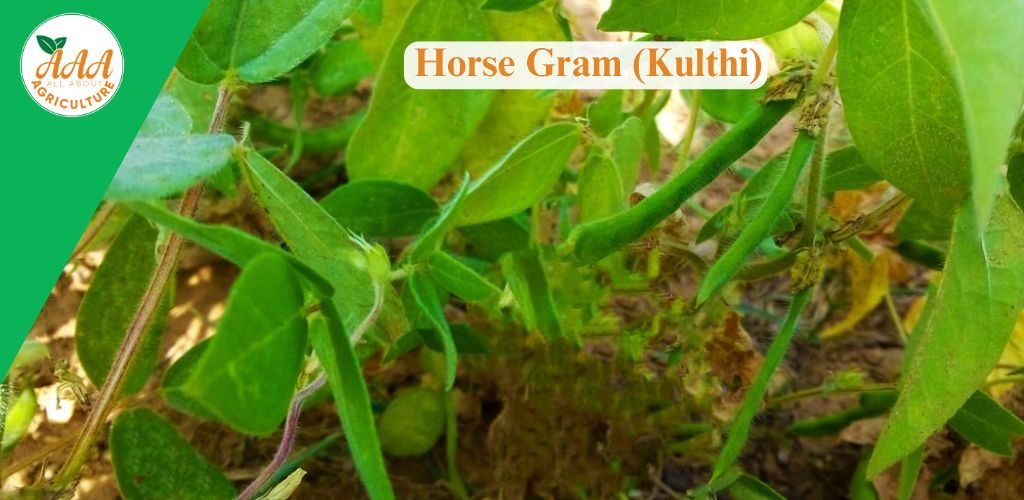
Understanding about Crop
Nutritional Value:
- Horse Gram (Kulthi) is rich in protein, dietary fiber, iron, calcium, and antioxidants. It supports muscle health, digestion, and blood formation. The high fiber content aids in smooth bowel movements and reduces cholesterol. Horse Gram seeds are also good sources of carbohydrates for energy. All important nutritional details can be found on All about agriculture for further reading.
Dietary Diversity:
- Horse Gram (Kulthi) is consumed as whole seeds, split dal, flour, and sprouts. It is used in curries, soups, porridges, and snacks. Its inclusion adds diversity in household diets, offering vegan protein and various health benefits. Leaves of the plant are also edible, enriching meals with green vegetables.
Economic Importance:
- Horse Gram (Kulthi) plays a vital role in rural incomes as a pulse crop and fodder. Its drought tolerance ensures stable production even in dry areas, making it a security crop. The crop’s short duration and multipurpose use improve farmers’ cash flow. Market trends and support schemes for Horse Gram are regularly updated on All about agriculture.
Crop Rotation:
- Horse Gram (Kulthi) enriches soils with nitrogen, making it excellent for crop rotation with cereals like millets and maize. Including Horse Gram in rotations reduces pest buildup and improves soil structure. Its residue can be used as green manure, increasing nutrient availability for the next crop.
Climate Resilience:
- Horse Gram thrives in warm, dry climates with 25–30°C temperature and moderate rainfall (300–800 mm). It tolerates drought and poor soils but is sensitive to frost and waterlogging. This makes it suitable for semi-arid and dry regions. Choosing varieties adapted to local conditions enhances yield stability.
Health Benefits and Side Effects:
- Horse Gram (Kulthi) can help manage diabetes, improve digestion, and aid weight loss due to its antioxidant and fiber content. Consumption boosts immunity and heart health. However, improper cooking may cause gas or bloating; soaking and thorough cooking reduce this risk. Moderation is always advised.
Other Important Points:
- Horse Gram straw provides nutritious fodder for livestock post-harvest. Residues improve soil organic content when composted. It’s a vital crop for food security in dry regions. Further cultivation details can be explored at All about agriculture.
Key Features of Horse Gram
Climate and Soil Requirements
- Horse Gram prefers temperatures between 25–30°C and rainfall of 300–800 mm annually.
- It grows well in well-drained, fertile soils with pH 6.0 to 7.5, tolerating moderate salinity.
- Avoid waterlogged and frost-prone areas for Horse Gram cultivation.
- Light to medium soils including lateritic and red soils are suitable.
- Soil rich in organic matter boosts growth and yield.
- Soils with heavy metal contamination can still support Horse Gram better than many other crops.
- Regular soil testing before sowing helps adjust fertilizers for better productivity.
- Raised beds help prevent waterlogging in heavy rainfall zones.
- Microclimate adjustments like proper spacing improve air circulation and plant health.
Land Preparation
- Plough the land 1-2 times to loosen soil, followed by harrowing and leveling for seed bed preparation.
- Incorporate well-rotted farmyard manure or compost to enhance soil fertility.
- Remove crop residues, weeds, and stones to avoid competition and pest harboring.
- Prepare rows or beds depending on soil type and moisture levels.
- Avoid heavy tillage that might harm soil structure and moisture retention.
- Use contour ploughing on slopes to minimize soil erosion.
- Plan irrigation access points during land prep for efficient water management.
- Ensure seedbed is firm but loose enough for root penetration.
- Make business-focused land prep decisions to balance costs and yield benefits.
High-Yielding and Hybrid Seed Selection
- Purchase certified Horse Gram (Kulthi) seeds with high germination rates from trusted sources.
- Choose popular varieties such as Arjia Kulthi-21, Baizu Kulthi, CRIDA 18R, and CRHG 03 for regional suitability.
- Hybrid seeds offer better disease resistance, drought tolerance, and higher yields.
- Check seeds for uniform size, shape, color, and absence of mechanical damage.
- Avoid seeds that are old, shriveled, or infested with pests.
- Conduct small plot trials to identify best variety for local climate.
- Introduce genetic diversity by changing seed sources regularly.
- Store seeds in cool, dry conditions to maintain viability.
- Ensure the seeds selected meet the cultivation goals- grain, fodder, or dual-purpose.
Seed Treatment
- Treat seeds with fungicides like Carbendazim or Trichoderma viride to protect from soil-borne fungal diseases.
- Use Rhizobium inoculants specific for Horse Gram to enhance nitrogen fixation.
- Seed priming with micronutrients like zinc sulfate improves germination and vigor.
- Avoid prolonged water soaking to prevent seed rot.
- Dry treated seeds in shade to prevent heat damage before sowing.
- Use biofertilizers as seed treatment to promote beneficial soil microbes.
- Apply seed treatments shortly before sowing for maximum protection.
- Follow safety protocols when applying chemical treatments.
- Ensure seeds are dry and viable post-treatment for healthy crop stand.
Sowing and Planting Methods
- Sow Horse Gram seeds at 1.5 to 2 cm depth, spacing plants 10 cm apart with 30–45 cm row spacing.
- Broadcast sowing is common, but row planting aids intercultural operations.
- Ideal sowing time is between August and November, depending on region.
- Seed rates usually range between 20–40 kg per hectare based on variety.
- Lightly cover seeds with soil, press gently, and water post-sowing to encourage germination.
- Plant in well-prepared seedbeds with consistent moisture levels for rapid emergence.
- Use mechanical seeders if available for uniform planting on larger farms.
- Avoid deep planting which can delay emergence or cause failure.
- Timely sowing helps avoid pest and disease pressure and improves yields.
Nutrient and Fertilizer Management
- Horse Gram fixes atmospheric nitrogen, reducing nitrogen fertilizer needs significantly.
- Apply phosphorus and potassium fertilizers based on soil test recommendations.
- Use farmyard manure or compost to improve soil organic matter and water retention.
- Avoid excessive nitrogen fertilizer to prevent excessive vegetative growth.
- Fertilize uniformly to ensure balanced nutrient availability throughout the crop cycle.
- micronutrient applications (zinc, boron) may be needed if deficiency symptoms arise.
- Implement integrated nutrient management combining organic and inorganic sources.
- Foliar sprays of nutrients can correct deficiencies rapidly during sensitive stages.
- Crop rotation with Horse Gram improves soil fertility for following crops.
Irrigation and Water Management
- Horse Gram requires minimal irrigation due to drought tolerance but benefits from watering at flowering and pod formation.
- Avoid waterlogging which can cause root rot and reduce yields significantly.
- Irrigate during dry spells to maintain soil moisture but avoid over-watering.
- Mulching helps conserve moisture and control weed growth.
- Use drip or furrow irrigation to optimize water use efficiency.
- Schedule irrigation based on soil moisture monitoring to prevent stress.
- Stop irrigation 2–3 weeks prior to harvest for better pod drying.
- Efficient water management supports maximum yield and quality.
- Rainwater harvesting can supplement irrigation in dry regions.
Intercultural Operations
- Weed early and regularly to reduce competition for nutrients and moisture.
- Hoe or earth up soil around plants to improve aeration and support plant stability.
- Clip tendrils to encourage flowering and boost pod production.
- Remove diseased or damaged plants promptly to prevent spread.
- Intercrop with cereals or vegetables for diversified income and land use.
- Maintain field sanitation and remove crop residues post-harvest.
- Use mulches or cover crops to suppress weeds and conserve moisture.
- Routine field inspection helps detect early pest or disease presence.
- Limit excessive mechanical disturbance to preserve soil and microbial health.
Pest Management
- Monitor for common pests like pod borers, aphids, and whiteflies.
- Use integrated pest management (IPM) including resistant varieties, biological controls, and cultural practices.
- Employ neem-based products or biopesticides for eco-friendly control.
- Physical removal of infested pods reduces pest pressure.
- Timely field sanitation minimizes breeding grounds for pests.
- Scout fields regularly to catch early pest outbreaks.
- Limit chemical pesticide use to economically justified situations.
- Encourage natural predators like ladybugs for aphid control.
- Proper storage practices prevent pest attack on harvested seeds.
Disease Management
- Major diseases include powdery mildew, anthracnose, and root rot.
- Prevent infections using resistant varieties and seed treatment.
- Maintain good field hygiene by removing infected plants and debris.
- Avoid excessive irrigation and ensure good drainage to reduce fungi.
- Rotate crops with non-legumes to break disease cycles.
- Fungicide application may be necessary during severe outbreaks.
- Inspect fields regularly for disease symptoms.
- Use certified seeds with low disease incidence.
- Timely planting helps evade disease-prone periods.
Harvesting and Post-Harvest Management
- Harvest Horse Gram when 75–80% pods turn yellowish brown.
- Cut plants early in the morning to minimize pod shattering.
- Sun-dry harvested plants for 2–3 days before threshing to reduce moisture content.
- Use clean tools to thresh and clean seeds.
- Store dried seeds in moisture-free, pest-proof containers.
- Regularly inspect stored seeds for pests or fungal damage.
- Avoid mixing old and new seeds to maintain quality.
- Proper post-harvest handling improves seed viability and market value.
- Process Horse Gram into flour or other products for added value.
Other Important Points
- Horse Gram straw is excellent fodder for animals, especially during dry seasons.
- It improves soil nitrogen, enhancing crop rotations for better farm sustainability.
- The crop’s drought tolerance makes it key for dryland farming systems.
- Horse Gram helps combat food insecurity in marginal farming areas.
- Soaking and cooking reduce anti-nutritional factors, improving digestibility.
- The crop is often recommended in traditional medicine for health benefits.
- Visit All about agriculture for more detailed guides, latest varieties, and support schemes.
Do’s
- Use certified, treated seeds for sowing Horse Gram (Kulthi).
- Maintain optimal spacing for airflow and growth.
- Apply balanced fertilizers as per soil test.
- Monitor and control pests early using IPM.
- Irrigate adequately, avoiding waterlogging.
- Practice crop rotation for soil health.
- Weed regularly and maintain field cleanliness.
- Harvest timely to avoid pod shattering.
- Store seeds properly in dry, cool places.
Don'ts
- Don’t use old or damaged seeds.
- Don’t over-irrigate Horse Gram (Kulthi).
- Don’t allow waterlogging or poor drainage.
- Don’t ignore early pest or disease signs.
- Don’t plant continuously without rotation.
- Don’t burn crop residues; compost instead.
- Don’t delay harvesting to prevent losses.
- Don’t overuse pesticides beyond recommended doses.
- Don’t store seeds in humid environments.
Frequently Asked Questions
What are the traditional culinary uses of Horse Gram (Kulthi)?
Horse Gram (Kulthi) is commonly boiled, sprouted, or ground into flour and used in soups, porridges, and snacks. Its unique taste makes it a staple in many rural kitchens for nutritious meals.
How does Horse Gram (Kulthi) contribute to soil conservation?
The dense growth of Horse Gram (Kulthi) creates ground cover that reduces soil erosion and improves moisture retention, making it excellent for sloping or fragile lands.
Can Horse Gram (Kulthi) be used in crop intercropping systems?
Yes, Horse Gram (Kulthi) grows well when intercropped with cereals and millets, optimizing land use and providing additional income without affecting the main crop.
What are natural ways to protect Horse Gram (Kulthi) from pests?
Using botanical extracts, encouraging predatory insects, and maintaining field hygiene help control pests in Horse Gram (Kulthi) sustainably.
How does Horse Gram (Kulthi) serve as animal fodder?
Both the green parts and straw of Horse Gram (Kulthi) provide nutritious feed for livestock, especially in dry seasons when other feeds are scarce.
What storage methods best preserve Horse Gram (Kulthi) seeds?
Store Horse Gram (Kulthi) seeds in cool, dry conditions inside airtight containers, using natural repellents like neem leaves to prevent insects.
Is Horse Gram (Kulthi) suitable for home gardening?
Yes, Horse Gram (Kulthi) can be grown in small spaces or containers, providing fresh pulses and greens for household consumption.
Are there traditional medicinal uses for Horse Gram (Kulthi)?
Horse Gram (Kulthi) has been used in traditional medicine to aid digestion, reduce inflammation, and promote kidney health.
How does Horse Gram (Kulthi) help in drought-prone farming?
Its drought-resistant nature and quick maturity make Horse Gram (Kulthi) ideal for securing yield in water-scarce regions.
What are popular regional dishes made with Horse Gram (Kulthi)?
In many Indian states, Horse Gram (Kulthi) is cooked into spicy curries, dals, and fermented snacks that are rich in flavor and nutrients.
Are there any precautions when consuming Horse Gram (Kulthi)?
Horse Gram (Kulthi) can cause mild gas or indigestion if not cooked well; soaking and boiling thoroughly improve digestibility.
How important is Horse Gram (Kulthi) for rural livelihoods?
Horse Gram (Kulthi) supports small farmers by providing a resilient crop for food, feed, and income, especially in semi-arid areas.