Jatropha Seed
Jatropha Seed
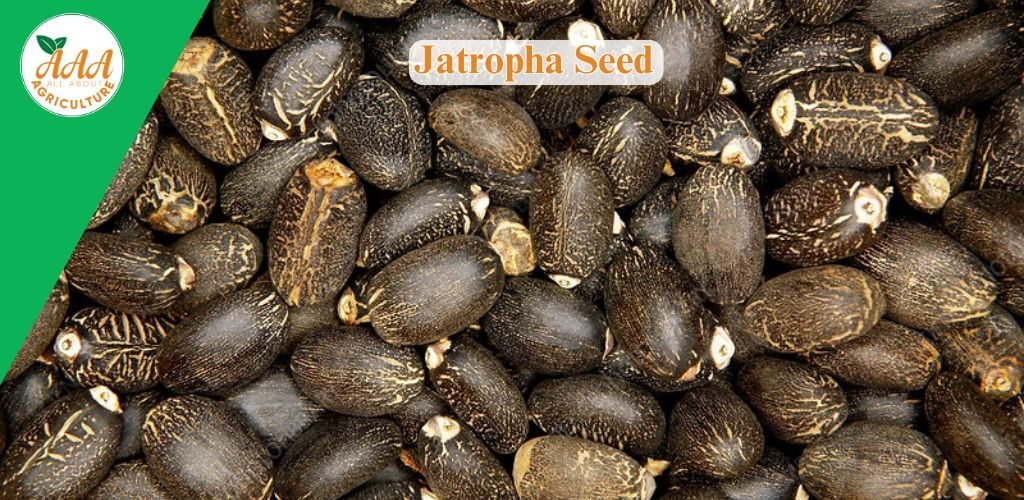
Understanding about Crop
Nutritional Value:
- Jatropha Seed (biofuel, non-edible) is rich in oil content (30-40%) but is toxic and non-edible, used mainly for biofuel production rather than nutrition.
- The oil extracted has favorable combustion properties making it suitable for biodiesel.
- Seedcake after oil extraction contains toxic substances; hence it is unsuitable for animal feed without detoxification.
- The crop contributes to the green energy sector, indirectly impacting nutrition by reducing fossil fuel dependency.
- Jatropha oil contains ricinoleic acid enhancing its use in industrial applications.
- The seed’s chemical composition lends itself to various bio-based products.
- Though not food, by-products stimulate sustainable agricultural economies.
Dietary Diversity:
- As a non-edible oilseed, Jatropha Seed (biofuel, non-edible) is not part of dietary diversity.
- However, cultivation benefits rural economies through fuel alternatives and by-product utilization.
- Non-food crops like Jatropha reduce pressure on edible oil seed cultivation.
- Jatropha cultivation provides options for land unsuitable for food crops, encouraging diversified farming systems.
- By freeing arable land, it supports overall food security indirectly.
- The presence of biofuel crops like Jatropha in agricultural systems promotes environmental sustainability.
- Diversification with Jatropha may add to farmer resilience in varied agroecologies.
Economic Importance:
- Jatropha Seed (biofuel, non-edible) cultivation underpins bioenergy industries, providing opportunities for smallholder farmers.
- The oil serves as a renewable energy feedstock, reducing dependence on fossil fuels.
- Jatropha cultivation can promote rural employment through nurseries, plantations, and oil extraction units.
- Government incentives often support Jatropha biofuel projects to encourage clean energy production.
- Export potential for Jatropha oil and by-products contributes to foreign exchange.
- Market demand for biofuels is expected to grow, enhancing crop profitability.
- All about agriculture helps farmers access relevant cultivation and market guidance.
Crop Rotation:
- Jatropha Seed (biofuel, non-edible) fits well in rotations with food crops, improving marginal lands’ productivity.
- Its low nutrient demand makes it compatible with cereals and pulses rotations.
- Crop rotations reduce pest cycles that can impact Jatropha and neighboring crops.
- The shrub’s leaf litter enhances soil organic matter and moisture retention.
- Rotational use of marginal lands by Jatropha can rejuvenate degraded soils.
- Rotations can improve water use efficiency in dryland farming integrating Jatropha.
- Crop diversification with biofuel crops balances ecological and economic objectives.
Climate Resilience:
- Jatropha Seed (biofuel, non-edible) thrives in tropical and subtropical climates, tolerating drought and poor soils.
- It can withstand temperature extremes but is sensitive to frost and waterlogging.
- Crop resilience allows cultivation on degraded or marginal lands where food crops poorly succeed.
- Limited water requirements make Jatropha suited for semi-arid and arid regions.
- Its robust nature helps combat soil erosion and desertification.
- Climate change impacts could be mitigated by wider adoption of Jatropha in vulnerable areas.
- Appropriate varietal selections boost environmental adaptability.
Health Benefits:
- Jatropha oil is non-edible and toxic if consumed raw; handling precautions are essential.
- The oil exhibits antimicrobial properties and can be used in industrial applications.
- Detoxified seedcake may find uses in organic fertilizers enhancing soil health safely.
- Jatropha-based biofuel burns cleaner than fossil fuels, improving air quality indirectly.
- Farm safety training is critical to avoid exposure to toxic components during handling.
- Research continues into safe uses of Jatropha derivatives in health-related products.
- Awareness of risks ensures safer cultivation and processing practices.
Other Important Points:
- Jatropha plants provide green cover aiding biodiversity and carbon sequestration.
- The crop can economically sustain for 30 years or more with minimal inputs.
- Regular monitoring and management improve yield and oil quality.
- Jatropha seed oil can be blended with diesel up to 20% for vehicle fuels.
- Field-scale projects benefit from cooperative farming systems and government aid.
- Learn detailed farming and processing techniques on All about agriculture.
Key Features of Jatropha Seed
Climate and Soil Requirements
- Thrives in temperatures from 19°C to 35°C ideally between 1000-2000 mm rainfall.
- Grows on a variety of marginal and degraded soils, including slightly alkaline and saline conditions.
- Sensitive to frost and excess soil moisture which may induce root rot.
- Prefers well-drained sandy loam soils but adapts to clay soils with proper drainage.
- Tolerant to drought, making it viable for semi-arid lands.
- Soil rich in organic matter improves seed yield and plant health.
- Can be planted at altitudes ranging from sea level to 1800 meters.
- Requires moderate sunshine intensity for optimal photosynthesis.
- Soil pH should be ideally between 6.0 and 8.0 for growth optimization.
- Climate variability tolerance with resistant varietal options.
Land Preparation
- Clear land of shrubs and debris before ploughing for uniform plant establishment.
- Deep tillage improves soil aeration and root penetration.
- Raised or flat beds may be created based on site topography and soil type.
- Apply organic compost or farmyard manure in pits during land preparation.
- Remove invasive weeds that compete with young Jatropha seedlings.
- Land must be kept loose and moist for optimal seedling growth.
- Avoid heavy machinery in wet soils to prevent compaction.
- Early preparation ensures alignment with onset of dormant or monsoon periods.
- Proper pit size and spacing (2x2m) optimize plantation density and health.
- Soil amendments like neem cake may reduce pest pressure.
High-Yielding and Hybrid Seed Selection
- Certified seeds are vital for superior oil yield and plant vigor.
- Selection focuses on varieties with higher seed and oil yield under local conditions.
- Hybrid seeds provide genetic uniformity and growth advantages.
- Pre-germinated seeds improve establishment success rates.
- Seed size correlates with oil content and seedling robustness.
- Acquire seeds from recognized government or private institutions.
- Regular varietal evaluation aids adoption of best performers.
- Seed treatment enhances germination and pest resistance.
- Seed storage conditions affect longevity and viability.
- Genetic diversity helps in adaptive breeding programs.
Seed Treatment
- Use soaking in cow dung slurry or fungicidal solutions before sowing.
- Seed treatment reduces fungal and bacterial seedling diseases.
- Dry treated seeds adequately before plantation.
- Application of bio-inoculants like Azospirillum may enhance nutrient absorption.
- Treat seeds soon before planting for maximum effect.
- Follow safety norms for fungicide handling.
- Store treated seeds in dry, shaded environments.
- Treatment improves germination rates and seedling health.
- Discourage untreated seed use to prevent field failures.
- Combine chemical and biological treatments for sustainable management.
Sowing and Planting Methods
- Begin nursery raising with seed sowing in polybags with suitable soil mix.
- Seeds sprout in about 7-15 days under favorable conditions.
- Transplant seedlings aged 2-3 months to prepared pits with spacing of 2×2 meters.
- Maintain moisture during the first few weeks after transplanting.
- Direct sowing is viable in well-managed fertile soils for certain varieties.
- Monsoon season (June-July) is preferred for field planting in India.
- Mulching around young plants conserves moisture and reduces weeds.
- Timely gap filling maintains population density.
- Avoid water stagnation during nursery and post-transplant phases.
- Regular monitoring ensures early pest and disease control.
Nutrient and Fertilizer Management
- Initial soil testing is recommended to plan fertilization strategies.
- Organic manures are essential; apply up to 5-10 kg FYM per pit before planting.
- Apply nitrogen, phosphorus, and potassium fertilizers in two equal doses after establishment and flowering.
- Micronutrients like zinc and magnesium improve growth and yield.
- Avoid fertilizer overdose to prevent salt accumulation in soil.
- Fertilizer application can be combined with irrigation to increase efficiency.
- Use slow-release or organic fertilizers to minimize leaching.
- Monitor physiological responses for nutrient adequacy.
- Proper nutrition ensures higher seed and oil yields.
- Balanced fertilization supports sustainable biomass production.
Irrigation and Water Management
- Water requirements are generally low; irrigation supports early growth and flowering.
- Irrigate on the third day after transplanting to reduce establishment stress.
- Continue irrigation every 20-25 days during dry spells to maintain consistent growth.
- Avoid waterlogging; poor drainage inhibits root development.
- Mulching conserves moisture reducing irrigation frequency.
- Rainfed plantations need supplemental irrigation during prolonged droughts.
- Efficient water use enhances oil content and seed quality.
- Use moisture sensors or tensiometers to schedule irrigation precisely.
- Water saved through proper management reduces production costs.
- Sustainable water management supports year-round production.
Intercultural Operations
- Weed control by manual or mechanical means is crucial during the first year.
- Earthing up increases root oxygen availability and nutrient uptake.
- Remove diseased or weak seedlings promptly to limit spread.
- Mulch materials improve soil structure and moisture retention.
- Regular pruning maintains plant health and promotes airflow.
- Intercropping with compatible plants optimizes land use.
- Crop rotation reduces pathogen and pest build-up.
- Maintain field cleanliness to prevent diseases.
- Scout crops regularly for timely interventions.
Pest Management
- Primary pests: Grasshoppers, aphids, and caterpillars affect foliage and yield.
- Employ integrated pest management combining cultural, biological, and chemical controls.
- Neem-based products serve as effective biopesticides.
- Pheromone traps monitor pest populations.
- Timely chemical interventions help control outbreaks while minimizing environmental impact.
- Promote beneficial insects to maintain ecological balance.
- Remove crop residues that harbor overwintering pests.
- Rotate crops to disrupt pest life cycles.
- Use resistant plant varieties when available.
- Proper seed treatment reduces soil-borne pest issues.
Disease Management
- Common diseases include powdery mildew and leaf spot.
- Seed treatment and resistant cultivars reduce incidence.
- Maintain adequate spacing to promote airflow and reduce humidity.
- Remove infected plant material promptly.
- Fungicide application recommended in heavy disease outbreaks.
- Avoid excess humidity by managing irrigation.
- Sanitize tools and equipment regularly.
- Crop rotation helps in breaking disease cycles.
- Early disease detection improves control success.
Harvesting and Post-Harvest Management
- Jatropha fruits are harvested when mature and brown, typically after 4-6 months of flowering.
- Manual or mechanical harvesting is employed depending on plantation scale.
- Dry fruits adequately before threshing to prevent seed quality loss.
- Seeds are separated using mechanical or manual methods.
- Store seeds under cool, dry, pest-free conditions to prevent deterioration.
- Timely processing into oil and biofuel enhances economic returns.
- Proper post-harvest handling reduces waste and pest risk.
- By-products are also processed for organic fertilizers or biogas production.
- Consistent quality control ensures market acceptance.
Other Important Points
- Jatropha contributes to renewable energy and reduces fossil fuel dependency.
- The crop ensures livelihood opportunities in marginal and degraded lands.
- Research continues to improve varieties for oil content and resistance.
- Environmental benefits include carbon sequestration and soil stabilization.
- Details about cultivation, processing, and funding schemes are available on All about agriculture for farmer support.
Do’s
- Use certified, treated Jatropha Seed (biofuel, non-edible).
- Maintain recommended planting distances.
- Practice integrated pest and disease management.
- Apply balanced fertilization guided by soil tests.
- Irrigate judiciously conserving water.
- Mulch to reduce weeds and conserve moisture.
- Timely harvesting preserves seed quality.
- Store seeds properly in dry conditions.
- Follow crop rotation for soil health.
Don'ts
- Do not use untreated or low-quality seeds.
- Avoid overwatering causing root rot.
- Do not delay pest or disease control measures.
- Avoid continuous monoculture of Jatropha.
- Don’t burn plant residues; compost instead.
- Avoid excess nitrogen fertilization.
- Do not harvest immature seeds.
- Don’t store seeds in humid places.
- Avoid neglecting soil and crop monitoring.
What makes Jatropha Seed (biofuel, non-edible) suitable for biodiesel production?
Jatropha Seed (biofuel, non-edible) contains high oil content with favorable fatty acid profiles that make it ideal for producing biodiesel with good combustion properties.
Is Jatropha Seed (biofuel, non-edible) safe for human and animal consumption?
No, Jatropha Seed (biofuel, non-edible) contains toxic compounds like curcumin, making it unsuitable for consumption; proper handling and processing are essential to avoid health risks.
What are the main challenges faced in large-scale cultivation of Jatropha Seed (biofuel, non-edible)?
Challenges include low seed yields, high initial investment, difficulty in land availability, and lack of coordinated supply chains for seeds and oil.
How does Jatropha Seed (biofuel, non-edible) help improve degraded or marginal lands?
It grows well on poor, degraded soils with minimal inputs, stabilizes soil structure, and reduces erosion, thus reclaiming unproductive lands for economic use.
What is the typical gestation period before Jatropha Seed (biofuel, non-edible) palms start yielding seeds?
Usually, Jatropha plants take 3 to 5 years to mature and yield significant seed quantities, impacting the investment recovery period.
How can farmers increase the seed yield of Jatropha Seed (biofuel, non-edible)?
Using improved, high-yielding varieties, adopting proper spacing, adequate nutrient management, and pest control measures enhance seed production.
What role do government policies play in promoting Jatropha Seed (biofuel, non-edible) cultivation?
Policies providing subsidies, technical support, and guaranteed procurement encourage farmers to invest in growing Jatropha for biodiesel.
Are there environmental concerns linked to Jatropha Seed (biofuel, non-edible) plantations?
Yes, concerns include potential deforestation, biodiversity loss, and land use conflicts; sustainable planning and community involvement are critical.
What is the process of extracting oil from Jatropha Seed (biofuel, non-edible)?
Oil extraction involves drying seeds, mechanical pressing or solvent extraction, followed by refining to produce biodiesel.
Can Jatropha Seed (biofuel, non-edible) be integrated with other crops in agroforestry systems?
Yes, Jatropha can be intercropped with various food and cash crops, providing farmers diverse income sources and ecological benefits.
What precautions should be taken while handling Jatropha Seed (biofuel, non-edible)?
Use protective gear during handling, avoid ingestion, and ensure proper disposal of seed cake due to its toxicity.
Where can growers access reliable information and support for Jatropha Seed (biofuel, non-edible) cultivation?
Farmers can find detailed cultivation guides, market updates, and support programs on agricultural platforms like All about agriculture.