Linseed
Linseed
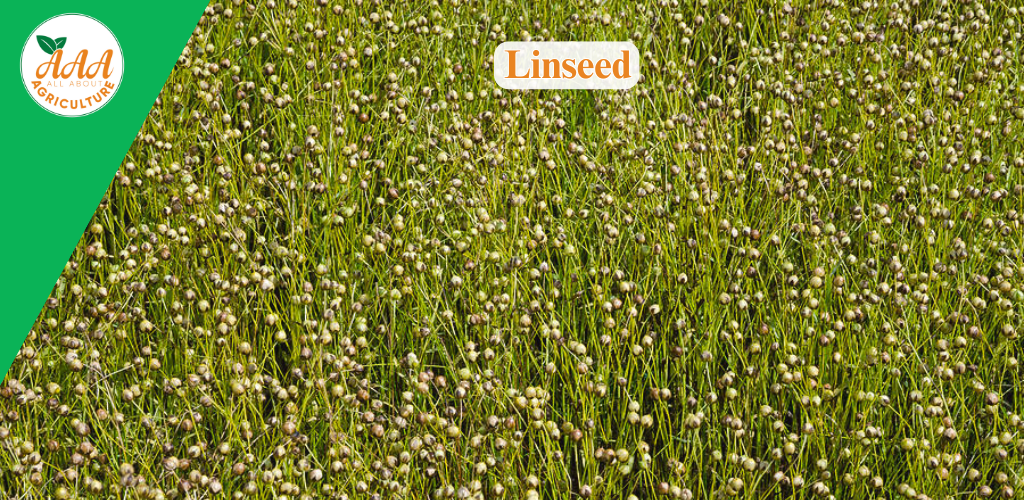
Understanding About Crop
Nutritional Value:
- Linseed is rich in alpha-linolenic acid (omega-3 fatty acid), protein, fiber, lignans, and minerals like magnesium.
- These nutrients support heart health, digestion, and have antioxidant and anti-inflammatory properties.
- The oil extracted from linseed is valued as a health supplement and cooking ingredient.
Dietary Diversity:
- Linseed is consumed as oil, whole seeds, ground meal, and added to breads, cereals, and smoothies for health benefits.
- It supports vegetarian and vegan diets with plant-based omega-3s and fiber.
- Linseed enhances nutritional options for people seeking functional foods.
Economic Importance:
- Linseed cultivation offers income from oil and fiber for textiles and animal feed markets.
- Growing demand exists for organic and health-oriented products.
- Our platform, All about agriculture, provides essential market and farming guidance.
Crop Rotation:
- Linseed follows cereals and pulses well, breaking pest cycles and improving soil structure.
- It contributes organic matter and helps manage weeds and diseases sustainably.
- Rotation enhances farm productivity and reduces input costs.
Climate Resilience:
- Prefers cool, temperate climates with moderate rainfall (450-600 mm).
- Sensitive to extreme heat and waterlogging, linseed thrives in well-drained soils.
- Its moderate drought tolerance enables it to fit in diverse agro-ecological zones.
Health Benefits:
- Consumption improves cardiovascular health, reduces inflammation, and aids digestive regularity.
- Rich in lignans, linseed may support hormonal balance and cancer risk reduction.
- Side effects are rare but may include digestive discomfort if consumed excessively.
Key Features
Climate and Soil Requirements
- Linseed thrives in temperatures between 10-25°C, requiring cool growing seasons without frost during flowering and maturation.
- Prefers well-drained, fertile loam to sandy loam soils with pH 6.0-7.5; avoids heavy clay and waterlogged soils.
- Moderate rainfall 450-600 mm aids growth; supplemental irrigation improves yields in dry zones.
- Soil testing and correction for pH and nutrients optimize crop performance.
- Healthy soil ensures strong root development and disease resistance.
Land Preparation
- Deep ploughing followed by fine harrowing helps aerate soil and facilitate root penetration.
- Remove weeds, stubbles, and stones to avoid crop competition and physical obstructions.
- Incorporate compost or well-decomposed manure at 3-5 tons/ha to enhance soil fertility and moisture holding capacity.
- Create a level, smooth seedbed for uniform seed placement and germination.
- Proper land preparation reduces seedling stress and supports even stands.
High-Yielding and Hybrid Seed Selection
- Use certified, high-yield varieties suitable for local climates like T-397, RLC-1, and Shubhra.
- Select seeds with high oil content, early maturity, and disease resistance.
- Hybrid varieties may improve resilience and yield stability.
- Conduct germination tests prior to sowing for optimal results.
- Use fresh seed stocks and follow regional advisories on suitable varieties.
Seed Treatment
- Treat seeds with fungicides such as Bavistin (@1.5 g/kg) or Thiram to prevent seed and soil-borne diseases.
- Use bio-inoculants like Azotobacter to improve nitrogen fixation and plant vigor.
- Seed priming (soaking and re-drying) improves germination speed and uniformity.
- Proper treatment lowers early losses and reduces pesticide use during growth.
- Adhere to all safety and handling guidelines.
Sowing and Planting Methods
- Sow seeds at 2-3 cm depth using a seed rate of 20-25 kg/ha, spacing rows 20-30 cm apart and plants 7-10 cm apart.
- Use seed drills for accurate, uniform placement; avoid broadcasting to reduce weed pressure.
- Timely sowing between September and November avoids frost and exploits moisture availability.
- Ensure proper soil moisture for quick germination and early root establishment.
- Close monitoring at early stages ensures better survival.
Nutrient and Fertilizer Management
- Organic manure or compost is recommended before sowing to increase fertility and microbial activity.
- Balanced NPK application based on soil test: typically 40 kg N, 20 kg P2O5, and 20 kg K2O per hectare.
- Micronutrients such as sulfur and boron enhance flowering and seed development.
- Avoid over-fertilization, especially nitrogen, to prevent excessive vegetative growth.
- Follow soil analysis and All about agriculture’s fertilizer guidelines for cost-effective nutrient management.
Irrigation and Water Management
- Linseed requires adequate moisture during flowering and seed formation for maximum yield.
- It’s mostly grown under rainfed conditions but responds well to irrigation at critical growth stages.
- Excess water or waterlogging damages roots and reduces yield; ensure well-drained soils.
- Drip or sprinkler irrigation conserves water and enhances efficiency.
- Mulching reduces evaporation and supports moisture retention in dry climates.
Intercultural Operations
- Two hand-weedings within the first 40-50 days of sowing prevent competition for resources.
- Shallow hoeing improves aeration without damaging roots.
- Removal of weeds and crop residues lowers disease and pest build-up.
- Gap filling after emergence maintains optimum stand density.
- Good intercultural practices ensure healthier plants and greater yields.
Pest Management
- Common pests include aphids, jassids, and caterpillars that damage leaves and flowers.
- Integrated Pest Management methods combine biocontrol, neem sprays, and selective insecticides.
- Crop rotation and field sanitation lower pest pressure naturally.
- Continuous monitoring facilitates timely control maintaining crop health.
- All about agriculture provides guidance on the latest pest control options.
Disease Management
- Powdery mildew, rust, and wilt are common; use resistant varieties and treated seeds to minimize outbreaks.
- Timely fungicide sprays when scouting indicates risk reduce spread.
- Clean cultivation and crop rotation reduce inoculum buildup.
- Remove and destroy diseased plants promptly.
- Stay updated on regional disease threats and control measures.
Harvesting and Post-Harvest Management
- Harvest linseed when most capsules turn brown and seeds become hard.
- Use mechanical or manual harvesting; limit seed damage.
- Dry harvested seeds to under 8% moisture before storage.
- Store in cool, dry, pest-free containers to maintain viability and oil quality.
- All about agriculture provides market timing and storage advice.
Other Important Points
- Linseed oil is popular for health supplements and textile industry uses.
- Excessive consumption of raw linseed can have laxative effects; consult before high intake.
- Crop residues can improve soil organic matter when properly managed.
- Stay connected to All about agriculture for the latest in agronomy and market developments.
Do’s
- Select certified seeds and apply recommended seed treatments.
- Use balanced fertilizers and maintain good soil health.
- Monitor regularly for pests and diseases.
- Harvest promptly at physiological maturity.
Don'ts
- Don’t sow in poorly drained or waterlogged soils.
- Don’t ignore early signs of nutrient deficiency or infestation.
- Don’t over-irrigate, risking root damage.
- Don’t delay harvest to prevent seed loss.
What are the common methods of linseed oil extraction?
Linseed oil is mainly extracted by cold pressing, hot pressing, and solvent extraction. Cold pressing preserves nutrients and flavor, while solvent extraction maximizes oil yield but requires refining.
How does cold-pressed linseed oil differ from solvent-extracted oil?
Cold-pressed oil is extracted without heat, retaining more omega-3 fatty acids and antioxidants. Solvent-extracted oil yields more quantity but may lose some nutritional quality due to heat and chemical use.
Can small farmers efficiently produce linseed oil?
Yes, small farmers can use manual or motorized expeller presses for cold-pressed oil. Proper seed cleaning and drying improve oil quality and quantity.
How does seed quality influence linseed oil yield?
High-quality seeds, fully mature and well-dried, yield better oil. Damaged or immature seeds produce lower oil and poorer quality.
What are the environmental benefits of cold pressing linseed oil?
Cold pressing uses less energy and no chemicals, resulting in minimal environmental impact. It supports sustainable, eco-friendly oil production.
What health benefits does linseed oil offer?
Rich in omega-3 fatty acids and lignans, linseed oil supports heart health, reduces inflammation, and aids digestion.
Are there any side effects of consuming linseed oil?
Excessive consumption can cause digestive issues. People allergic to flaxseed should avoid it to prevent allergic reactions.
How should linseed seeds be stored before oil extraction?
Seeds should be stored in a cool, dry place in airtight containers to avoid mold, pests, and degradation of oil quality.
What refining processes are involved after oil extraction?
Refining steps like filtration, deodorization, and bleaching improve linseed oil’s clarity, stability, and shelf life without significant nutrient loss.
Can linseed oil be used for non-food purposes?
Yes, it is used in paints, varnishes, wood treatments, and cosmetics due to its drying and moisturizing properties.
How does solvent extraction impact linseed oil quality?
Solvent extraction increases oil recovery but may leave solvent residues if not properly refined, potentially affecting oil purity.
Where can farmers find detailed linseed cultivation and oil production guidance?
Comprehensive resources including updated best practices and market information are available on our platform All about agriculture.