Little Millet
Little Millet
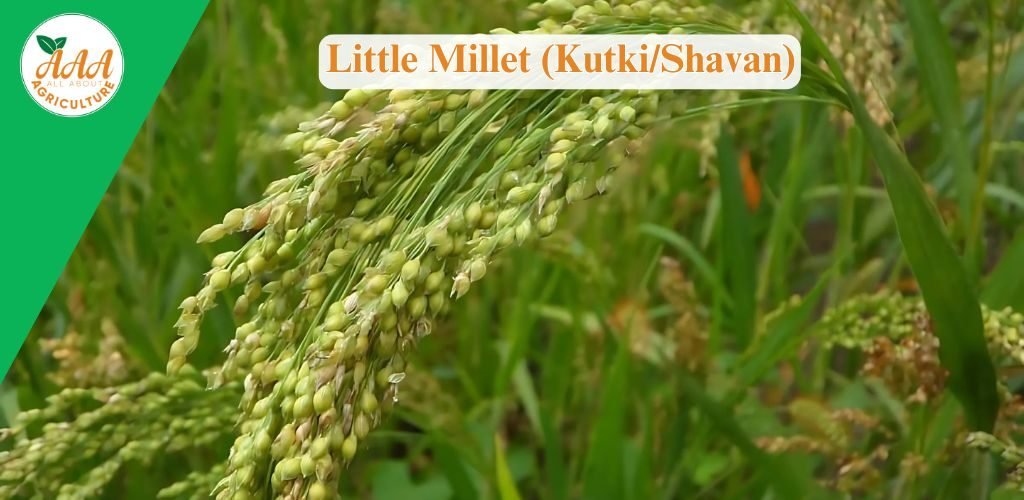

Understanding About Crop
Nutritional Value:
- Little millet is rich in carbohydrates, fiber, and essential minerals like iron and calcium.
- Contains vitamins B-complex and antioxidants that promote metabolic and immune health.
- Gluten-free grain, suitable for people with gluten sensitivities and diabetes.
- Low glycemic index food that helps manage blood sugar levels effectively.
- Provides dietary fiber boosting digestive health and proper bowel function.
- Contains protein that supports muscle building and repair.
- Natural antioxidants in millet reduce inflammation and oxidative stress.
Dietary Diversity:
- Used in porridge, upma, khichdi, roti, and traditional Indian snacks.
- Flour is used for baking and making gluten-free products like bread, cakes, and biscuits.
- Can be puffed or popped to make nutritious snacks.
- Incorporated into breakfast cereals and health food mixes.
- Leaves can be used as nutritious green fodder.
- Ideal for vegan, diabetic, and celiac diets.
- Versatile ingredient adding health benefits to daily meals.
Economic Importance:
- Little millet is important for small and marginal farmers especially in dry and hilly areas.
- Provides quick-growing crop options for enhancing food security and income.
- All about agriculture shares market prices, seed variety advancements, and farming tips for profitability.
- Crop is gaining popularity due to rising demand for millet-based health foods.
- Used in rural agro-processing industries and cottage industries.
- Crop residues serve as animal feed or compost enhancing farm sustainability.
- Cultivation helps diversify cropping patterns reducing risk.
Crop Rotation:
- Well-suited to rotate with legumes and oilseeds for balanced soil nutrient management.
- Rotation breaks disease and pest cycles common in continuous cereal cropping.
- Enhances organic matter and moisture retention in the soil.
- Helps control weeds and improves soil health for subsequent crops.
- Fits ideally with sustainable and organic farming systems.
- Supports diversification to maintain ecological balance.
- Rotation improves land use efficiency and crop yield stability.
Climate Resilience:
- Thrives in semi-arid to sub-humid climates with average temperatures of 20–35°C.
- Tolerates low rainfall conditions, requiring only 400–700 mm annually.
- Grows well in poor, marginal soils with minimal irrigation; drought-resistant.
- Performs well in upland and terraced regions prone to moisture stress.
- Quick maturation (70–90 days) helps avoid damage from late-season drought or frost.
- Adaptable to moderate shade but prefers full sunlight for maximum yield.
- Resistant to many pests and diseases making it suitable for low-input farming.
Health Benefits:
- Helps reduce cholesterol and regulate blood sugar due to high fiber content.
- Rich in minerals that strengthen bones, blood quality, and muscle functions.
- Antioxidants in little millet protect against chronic illnesses and support skin health.
- Supports digestive health and helps prevent constipation.
- Suitable for gluten-free, diabetic, and heart-health diets.
- Enhances energy levels safely due to slow carbohydrate release.
- Occasional overconsumption may cause mild digestive discomfort; moderation advised.
Key Features
Climate and Soil Requirements
- Prefers temperatures between 20 and 35°C with 400–700 mm annual rainfall.
- Requires well-drained sandy loam or red laterite soils with pH range 6.0–7.5.
- Performs well under rainfed or limited irrigation conditions.
- Sensitive to waterlogging; good drainage is essential to root health.
- Grows in marginal soils where other cereals struggle.
- Thrives with sufficient organic matter in soil for nutrient supply.
- Can tolerate moderate shade but performs best in full sun.
- Plant on gentle slopes or flat lands with effective runoff control.
- Soil testing before planting optimizes fertilization and soil management.
Land Preparation
- Remove weeds, crop residues, and stones from the field before ploughing.
- Deep plough the soil to 15–20 cm and harrow to prepare a fine seedbed.
- Incorporate 5–10 tons/ha of well-decomposed compost or farmyard manure.
- Prepare beds or flat fields based on terrain and moisture availability.
- Level the land properly for uniform sowing depth and irrigation flow.
- Control perennial weeds before planting to reduce competition.
- Employ soil solarization in heavy disease or weed pressure areas.
- Create bunds or contours to reduce erosion and manage water effectively.
- Maintain cleanliness and ensure proper drainage paths.
High-Yielding and Hybrid Seed Selection
- Choose certified seeds of improved varieties like VL 207, VL 352, or region-specific hybrids.
- Seeds should be healthy, free from pest damage, and well matured.
- Buy seeds from government or recognized suppliers for quality assurance.
- Pre-sowing germination testing ensures better field emergence.
- Store seeds in airtight, cool, and dry conditions until use.
- Select seed types suited to local rainfall and temperature.
- Replace seed stock regularly to maintain genetic purity and vigor.
- Consider hybrid seeds for higher yield potential under optimal conditions.
- Maintain records of seed source, variety, and batch information.
Seed Treatment
- Soak seeds in fungicidal or biocontrol solutions like Carbendazim or Trichoderma before sowing.
- Soaking for 6–8 hours improves germination speed and uniformity.
- Air-dry treated seeds briefly under shade to avoid moisture-related spoilage.
- Avoid mixing treated and untreated seeds to ensure uniform performance.
- Label treated seed batches and handle safely following recommended guidelines.
- Regularly disinfect seed handling tools to minimize contamination.
- Employ biofertilizer coatings for organic farming practices.
- Follow safety norms during handling to protect workers and seed quality.
- Use fresh treatment solutions for each seed lot.
Sowing and Planting Methods
- Sow seeds at the start of the rainy season or when soil moisture is adequate.
- Preferred sowing depth is 2–3 cm with row spacing of 20–25 cm and spacing of 8–10 cm between plants.
- Line sowing allows better intercultural operations and weed management.
- Broadcast sowing requires thinning after emergence to maintain proper density.
- Use seed drills where possible for uniform seed placement.
- Mulching after sowing conserves moisture and suppresses weeds.
- Intercrop with nitrogen-fixing crops such as pulses to enhance soil fertility.
- Fill gaps by reseeding within 10–15 days of sowing for uniform stands.
- Keep thorough records of planting dates and seed varieties.
Nutrient and Fertilizer Management
- Apply compost or farmyard manure (5–10 tons/ha) before sowing to improve soil fertility.
- Use balanced fertilizers: approx. 40–60 kg N, 20–30 kg P2O5, 20–25 kg K2O per hectare.
- Split nitrogen dose – half as basal and rest during early growth phases for optimal uptake.
- Micronutrients such as zinc and iron may be needed based on soil tests.
- Avoid excess nitrogen to prevent excessive leaf growth at the expense of grain production.
- Mulching and crop residues improve soil organic carbon and nutrient recycling.
- Monitor nutrient deficiency signs and adjust treatment accordingly.
- Maintain accurate fertilizer application records for better farm management.
- Incorporate organic amendments for sustainable soil health.
Irrigation and Water Management
- Little millet is drought-tolerant and usually rainfed; requires irrigation only during extended dry spells.
- Critical irrigation stages include seedling establishment and flowering for higher yield.
- Avoid waterlogging to prevent seedling root rot and fungal diseases.
- Employ mulching to retain soil moisture and reduce irrigation frequency.
- Use efficient irrigation methods like drip or sprinkler where feasible.
- Supplement rainwater harvesting enhances irrigation security.
- Timing irrigation early or late in the day reduces water loss.
- Check soil moisture using simple tools to avoid over- or under-watering.
- Maintain irrigation infrastructure for uniform water supply.
Intercultural Operations
- Begin weeding 15 days after sowing and repeat as necessary prior to canopy closure.
- Thin seedlings 20–30 days post-sowing to maintain optimum density.
- Light hoeing improves soil aeration and helps control weeds.
- Use mulch to suppress weeds and retain moisture during hot periods.
- Remove dead or diseased plants to reduce pest and disease pressure.
- Intercrop with legumes or vegetables to supplement income and soil health.
- Avoid deep tillage to protect root systems.
- Clean tools before use to minimize disease transmission risks.
- Train farm workers in proper intercultural methods.
Pest Management
- Major pests include armyworm, shoot borer, aphids, and grasshoppers.
- Use integrated pest management combining bio-pesticides, trap cropping, and natural predators.
- Monitor pest levels regularly to apply timely control measures.
- Avoid excessive pesticide use to protect beneficial organisms.
- Remove infested plants and crop residues to control pest spread.
- Employ resistant varieties where available.
- Rotate pesticides with different modes of action to prevent resistance.
- Educate laborers in pest identification and safe application techniques.
- Maintain clean field hygiene to suppress pest outbreaks.
Disease Management
- Common diseases include leaf spots, rust, smut, and blast.
- Use disease-free certified seeds to prevent early infection.
- Practice crop rotation to reduce pathogen buildup.
- Remove and destroy infected plants or residues promptly.
- Apply recommended fungicides or biological agents at early disease symptoms.
- Maintain wide plant spacing for airflow and disease prevention.
- Avoid over-irrigation which favors fungal disease development.
- Keep detailed records of disease incidence and treatments.
- Train farm workers on recognizing disease signs and hygiene.
Harvesting and Post-Harvest Management
- Harvest when grains mature fully and dry to 12–14% moisture content.
- Cut panicles carefully and dry grains under shade or sun for 3–5 days.
- Thresh gently to reduce grain damage and clean thoroughly before storage.
- Use moisture-proof storage containers to avoid pest infestation and mold.
- Grade grains for quality sorting and market preference.
- Use crop residues for fodder or organic composting.
- Avoid delayed harvesting to minimize shattering and loss.
- Ensure hygienic post-harvest handling to maintain grain quality.
- Maintain harvest and storage records for farm improvement.
Other Important Points
- Little millet is crucial for climate-resilient and low-input farming systems.
- Gluten-free and nutrient-rich, it supports diverse healthy diets.
- New varieties and technologies enhance yield and market opportunities.
- For updated seed releases, market insights, and cultivation tips, visit All about agriculture regularly.
Do’s
- Use certified, treated seeds for better germination and disease control.
- Apply balanced nutrients and maintain timely irrigation.
- Practice regular pest and disease scouting for early action.
- Maintain field hygiene and proper crop rotations.
Don'ts
- Don’t sow in poorly drained or compacted soils.
- Don’t overuse chemical inputs and monitor application carefully.
- Don’t ignore early signs of crop stress or infestation.
- Don’t burn crop residues - compost or use for fodder.
How can little millet seeds be stored to maintain high germination?
Store seeds in cool, dry, airtight containers away from moisture and pests to keep them healthy and viable for the next planting season.
What are common traditional recipes using little millet?
Little millet can be cooked as porridge, upma, khichdi, and used in baking various gluten-free breads and snacks.
How does little millet support sustainable farming practices?
Its drought tolerance and low input needs make it ideal for rainfed areas, reducing dependency on water and chemicals for sustainable agriculture.
Can little millet be grown in home gardens or small farms?
Yes, it requires minimal space and care, making it perfect for small plots, kitchen gardens, and marginal lands.
What are natural pest management options for little millet?
Neem oil sprays, crop rotation, and encouraging natural predators help manage pests organically in millet fields.
Is little millet suitable for livestock feed?
Yes, the straw and residues of little millet are nutritious and commonly used as fodder for cattle and goats.
What is the typical seedling rate and how to ensure good field establishment?
Use about 5–7 kg of seeds per hectare and ensure proper moisture and seedbed preparation for uniform germination.
How does little millet fit into crop rotation systems?
It complements legumes and other cereals, enhancing soil fertility and breaking disease and pest cycles.
Are there any health precautions when consuming little millet?
Little millet is generally safe, but moderation is advised as excessive intake may cause digestion issues in sensitive people.
What is the role of little millet in climate-resilient agriculture?
Its ability to withstand drought and nutrient-poor soils supports farming under changing climate conditions.
Can little millet be processed for ready-to-eat products?
Yes, it is used in flours, flakes, and instant mixes catering to health-conscious consumers.
Where can farmers find updates on little millet prices and cultivation methods?
You will get the latest and reliable information about little millet farming, market trends, and seed varieties on our website All about agriculture.