Mango
Mango
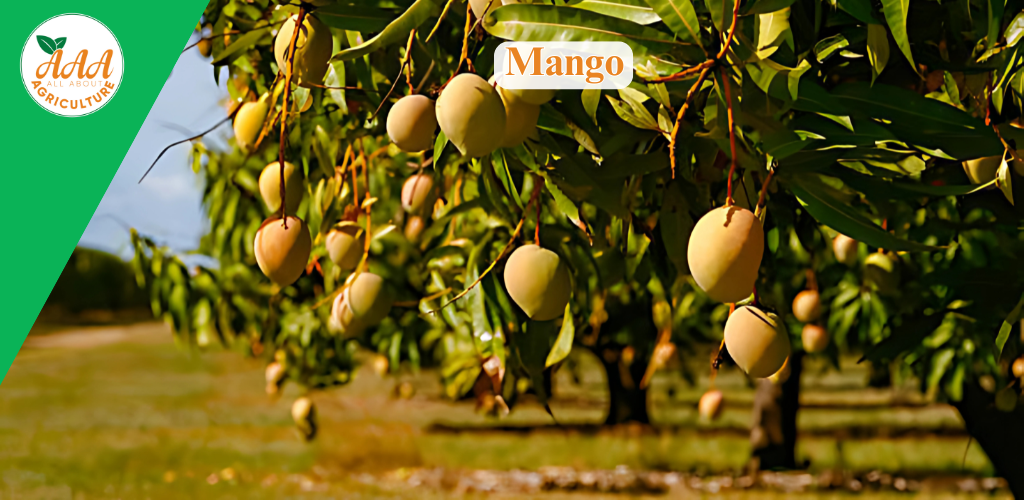
Understanding About Crop
Nutritional Value:
- Mangoes are rich in vitamins A, C, and E, antioxidants such as mangiferin, and minerals like potassium and magnesium.
- They provide dietary fiber that supports digestion and helps maintain healthy gut flora.
- Mangoes contain natural sugars that provide energy with low fat and cholesterol.
- Carotenoids present support eye health and overall immunity.
- Mango enzyme content helps in breaking down carbs aiding digestion.
- Regular consumption enhances skin health due to vitamin C and antioxidant content.
- Mango peels and pulp contain bioactive compounds beneficial for wellness.
Dietary Diversity:
- Mangoes are eaten fresh, dried, juiced, or processed into products like jams, pickles, and jellies worldwide.
- Different varieties provide a range of flavors from sweet to tangy, accommodating diverse culinary uses.
- Mango powder (amchur) is a common spice in Indian cuisine, used for flavor and tanginess.
- Mango pulp and juice are bases for beverages and desserts.
- Mango fruit and leaves are used in traditional medicines and rituals.
- Seasonal availability brings summer freshness and nutritional value.
- Mango extracts are increasingly used in cosmetics and nutraceuticals.
Economic Importance:
- Mango is among the top commercial fruit crops, with significant production in India, China, Mexico, and Pakistan.
- It provides livelihoods to millions of farmers and workers across production, harvesting, processing, and marketing.
- Export of mango and value-added products contributes significantly to foreign exchange.
- All about agriculture delivers market data, varietal recommendations, and cultivation advice.
- Mango processing units add economic value and employment.
- Mango cultivation supports rural economic development.
- Growing demand for specialty and organic mangoes creates niche markets.
Crop Rotation:
- Mangoes benefit from rotation with legumes and cereals before orchard planting to enrich soil nitrogen.
- Intercropping with compatible species during young stages provides income and soil cover.
- Rotation breaks soil-borne pest and disease cycles reducing chemical use.
- Improves soil structure, fertility, and microbial diversity.
- Helps maintain long-term land productivity.
- Crop rotation reduces accumulation of nematodes and fungal pathogens.
- Strategic crop planning optimizes farm output and sustainability.
Climate Resilience:
- Thrives in tropical/subtropical climates with temperature of 24–30 °C ideal for flowering and fruiting.
- Requires a well-defined dry period for dormancy and proper flowering induction.
- Sensitive to frost, waterlogging, and extreme drought stress.
- Mulching and shaded planting reduce temperature extremes and conserve moisture.
- Drought-tolerant varieties extend cultivation in water-scarce areas.
- Irrigation management supports trees during critical development stages.
- Orchard microclimate management enhances resilience to climate variability.
Health Benefits:
- Mango antioxidants fight inflammation and oxidative damage.
- Fiber content aids digestion and helps regulate blood sugar and cholesterol.
- Vitamins boost skin, eye, and immune system health.
- May improve cardiovascular wellbeing.
- Potential cognitive benefits due to bioactive compounds.
- Allergic reactions are rare but some individuals may be sensitive.
- Mango peel contains compounds with anti-cancer and antimicrobial effects.
Key Features
Climate and Soil Requirements
- Prefers tropical and subtropical climates with 24–30 °C temperatures and 700–2500 mm annual rainfall.
- Needs a dry spell (2-3 months) for flower induction and fruit set.
- Grows well in deep, well-drained loam, sandy loam, or alluvial soils with pH 5.5–7.5.
- Avoids waterlogged soils which cause root rot and affect tree longevity.
- Good air circulation reduces fungal diseases.
- Frost-sensitive during flowering; orchard sites should be frost-free.
- Mulch moderates soil temperature, conserving moisture.
- Soil testing guides tailored nutrition programs.
- Site drainage and slope management prevents erosion.
Land Preparation
- Clear land from previous crops, debris, and weeds.
- Deep till or plough soil to 30–40 cm to aerate and loosen the root zone.
- Add organic manure or compost (~20–30 tons per hectare) to improve fertility.
- Level fields for uniform irrigation and easy management.
- Dig planting pits 60×60×60 cm and enrich with topsoil and compost mix.
- Build drainage systems in heavy soils prone to waterlogging.
- Establish windbreaks or shelterbelts to mitigate damage.
- Remove stones and clods for fine bed preparation.
- Construct terraces or contour bunds on slopes to prevent erosion.
High-Yielding and Hybrid Seed Selection
- Plant certified grafted plants from high-yielding, disease-resistant cultivars such as Alphonso, Dasheri, or Kesar.
- Use dwarf or semi-dwarf rootstocks to manage tree size and optimize density.
- Avoid uncertified plants to prevent viral or bacterial diseases.
- Mix cultivars for better pollination and yield.
- Source planting material from government or trusted nurseries.
- Regularly replace old or unproductive trees to maintain orchard vigor.
- Monitor nursery stock health vigilantly.
- Maintain propagation sanitation.
- Evaluate new cultivars in small trials first.
Seed Treatment / Nursery Management
- Treat grafted saplings with fungicides and insecticides to prevent common nursery diseases.
- Regularly disinfect benches, tools, and greenhouse areas.
- Use biofungicides and organic amendments to boost seedling health.
- Control soil pests with nematicides or biological agents.
- Harden off seedlings before transplanting by exposing to outdoors gradually.
- Maintain proper irrigation avoiding waterlogged conditions.
- Avoid overcrowding seedlings to reduce disease pressure.
- Implement pest monitoring and early interventions.
- Train nursery staff on plant health monitoring.
Sowing and Planting Methods
- Plant grafted saplings at the beginning of the dormant season (late winter or early spring).
- Space trees 8×8 to 10×10 meters depending on cultivar and rootstock vigor.
- Prepare pits with a mixture of topsoil, farmyard manure, and rock phosphate.
- Mulch around young trees to conserve moisture and suppress weeds.
- Stake young trees to prevent wind damage.
- Water immediately after transplanting.
- Fill any gaps quickly to ensure uniform canopy growth.
- Avoid planting in frost-prone periods or drought conditions.
- Prune young trees to promote good structure.
Nutrient and Fertilizer Management
- Apply 20-30 tons per hectare of organic manure yearly to maintain soil fertility.
- Fertilizer application rates generally 150 kg N, 50 kg P2O5, and 150 kg K2O per hectare per year, split doses.
- Use soil and leaf tissue analysis to adjust fertilization.
- Micronutrients like zinc, boron, and magnesium are critical during flowering and fruiting.
- Avoid excess nitrogen that favors vegetative growth reducing fruit size.
- Foliar sprays supplement soil fertilization for quick nutrient uptake.
- Use slow-release or organic fertilizers for sustained nutrition.
- Adjust doses based on tree age and vigor.
- Monitor crop response regularly.
Irrigation and Water Management
- Requires 700-1200 mm annual water depending on climate and soil type.
- Drip irrigation enhances water use efficiency and reduces disease risk.
- Critical water supply during flowering and fruit development stages.
- Avoid waterlogging; use mulching to conserve soil moisture.
- Irrigate early morning or late evening to minimize evaporation.
- Use moisture sensors or manual checks to schedule irrigation effectively.
- Manage drought or flood stress through adaptive irrigation scheduling.
- Collect and use rainwater through sustainable systems.
- Proper water management improves yield and fruit quality.
Intercultural Operations
- Maintain weed control to prevent competition for water and nutrients.
- Prune to remove dead wood and shape canopy for better light and air flow.
- Mulch orchard floor with organic material to conserve moisture and add nutrients.
- Intercrop with nitrogen-fixing plants during early tree years.
- Avoid soil compaction around the root zone by limiting traffic.
- Remove fallen leaves and fruits promptly to reduce pest habitats.
- Train orchard workers in hygiene and safe pruning practices.
- Maintain soil cover or green manure crops to prevent erosion.
- Monitor regularly for nutrient or pest problems.
Pest Management
- Common pests: mango hoppers, mealybugs, fruit flies, and scales.
- Use integrated pest management combining bio-control, pheromone traps, and judicious pesticide use.
- Encourage natural enemies like ladybugs and parasitic wasps.
- Apply pesticides at economic threshold levels only.
- Remove infested fruits and clean the orchard floor regularly.
- Rotate chemical classes to avoid resistance buildup.
- Use neem-based pesticides for eco-friendly control.
- Train laborers in pest identification and safe pesticide use.
- Monitor pest populations frequently.
Disease Management
- Major diseases: powdery mildew, anthracnose, bacterial black spot, and root rot.
- Use resistant/tolerant cultivars where possible.
- Apply fungicides based on disease scouting and weather conditions.
- Remove and destroy infected plant parts to prevent spread.
- Improve orchard aeration by proper spacing and pruning.
- Avoid overhead irrigation during humid weather to reduce fungal infections.
- Use organic fungicides and copper sprays as preventive measures.
- Practice crop rotation and soil health improvement regularly.
- Keep records of disease occurrence for better management.
Harvesting and Post-Harvest Management
- Harvest mangoes when full-colored and mature but not overripe.
- Handle fruits carefully to prevent bruising and spoilage.
- Store in cool, shaded environments with proper ventilation.
- Use cold storage or controlled atmosphere for export-quality fruit.
- Grade and sort fruits to meet market standards.
- Process excess fruits into juices, jams, or dried products.
- Monitor storage conditions to prevent fungal or bacterial growth.
- Market early for better prices and reduced losses.
- Follow hygiene and quality certifications for domestic and export markets.
Other Important Points
- Mango orchards enhance biodiversity and ecosystem health.
- Mango seed and peel have medicinal and industrial uses.
- Monitor personal sensitivity; rare allergic reactions exist.
- Stay updated via All about agriculture for latest market and crop info.
Do’s
-
Use certified grafted plants and disease-free nursery stock.
-
Apply balanced fertilization and irrigation schedules.
-
Monitor for pests and diseases and take prompt action.
-
Prune and mulch regularly to encourage healthy growth.
Don'ts
-
Don’t plant in waterlogged or frost-risk zones.
-
Don’t overuse chemicals or fertilizers.
-
Don’t ignore early warning signs of pests or diseases.
-
Don’t overcrowd trees risking disease and poor fruit quality.
What are the best practices to improve mango flowering consistency?
Consistent flowering is improved by timely pruning, regulated irrigation, balanced fertilization, and avoiding excessive nitrogen, helping achieve steady fruit production.
How can farmers manage mango fruit drop effectively?
Fruit drop can be minimized by proper irrigation scheduling, balanced nutrient supply, pest and disease control, and avoiding mechanical damage during orchard operations.
What are common post-harvest handling methods for mangoes?
Post-harvest practices include gentle handling, grading, cleaning, cooling quickly, and storing at proper temperatures to maintain quality and shelf life.
How do pollinators affect mango yield?
Pollinators like bees increase fruit set and quality; planting bee-friendly crops nearby and reducing pesticide use supports healthy pollinator populations.
What organic mulch materials work well in mango orchards?
Materials like straw, dry leaves, and composted organic waste conserve moisture, improve soil fertility, suppress weeds, and regulate soil temperature effectively.
How can farmers prevent common mango pests naturally?
Use of neem-based pesticides, releasing beneficial insects, crop sanitation, and pheromone traps help naturally control mango pests without chemical overuse.
What is the significance of chilling hours in mango cultivation?
Chilling hours help in breaking dormancy and uniform flowering; insufficient chilling can cause poor bloom and reduce fruit yield.
How does intercropping benefit young mango orchards?
Intercropping with legumes or vegetables provides additional income, improves soil fertility through nitrogen fixation, and reduces weed growth in young orchards.
What irrigation techniques are most efficient for mango farms?
Drip irrigation provides uniform moisture, reduces water waste, prevents waterlogging, and lowers disease risks, enhancing yield and quality.
How to identify and manage mango malformation disease?
Look for distorted flowers and shoots; remove affected parts promptly and apply recommended fungicides or growth regulators to reduce spread.
Can mango peels and seeds be used commercially?
Yes, mango peels and seeds are used in animal feed, extraction of bioactive compounds, and in cosmetic and pharmaceutical industries.
Where can mango farmers access the current market and cultivation updates?
Farmers can find reliable crop advice, market prices, pest alerts, and management techniques on our website All about agriculture, aiding informed decisions.