Medicinal and Aromatic Plants
Medicinal and Aromatic Plants
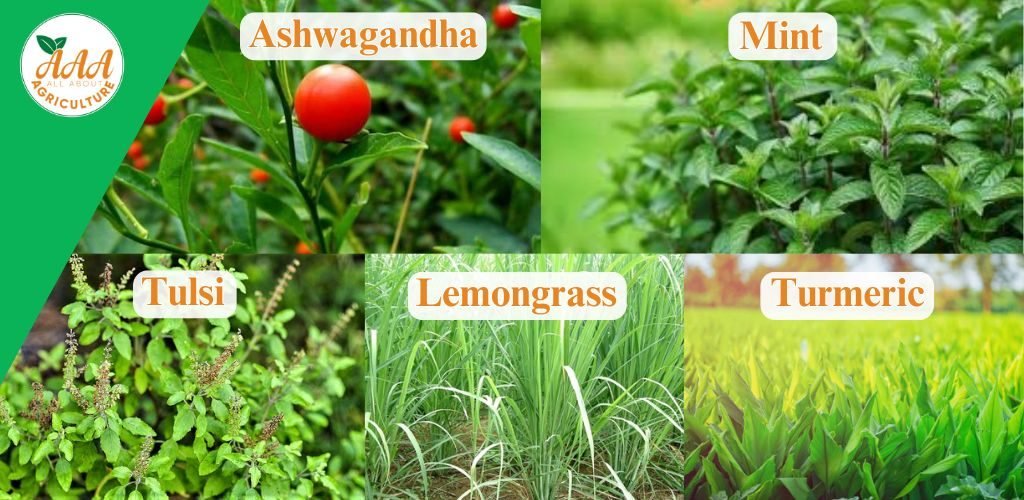
Understanding about Crop
Nutritional Value:
- Many medicinal plants contain essential oils and bioactive compounds like alkaloids, tannins, and flavonoids with therapeutic properties.
- These plants serve as raw materials for herbal medicine improving nutritional and health aspects for humans.
- Certain aromatic plants provide natural antioxidants and vitamins when used in food and supplements.
- Some medicinal plants contribute dietary fibers and micronutrients enhancing overall nutrition.
- Oils extracted from aromatic plants support healthy skin and digestion.
- Bioactive components influence metabolism and immune responses positively.
- The nutritional importance of these plants varies depending on species and usage.
Dietary Diversity:
- Medicinal and aromatic plants are incorporated in diverse diets as herbs, spices, teas, and flavorings.
- Common plants include Tulsi (holy basil), Mint, Lemongrass, Ashwagandha, and Turmeric enhancing cultural diets.
- Their inclusion improves the sensory and therapeutic qualities of food.
- They serve as natural preservatives and taste enhancers across cuisines.
- Aromatic plants provide essential oils used in flavorings and food additives.
- Dietary diversity increases through traditional and modern uses of these plants.
- They support alternative diets and wellness trends worldwide.
Economic Importance:
- Medicinal and aromatic plants represent a multi-billion-dollar global market for pharmaceuticals, cosmetics, and food industries.
- Cultivation provides livelihoods and income for rural farmers and entrepreneurs.
- Many countries export essential oils and herbal products generated from these plants.
- Increasing consumer preference for natural products boosts market demand.
- Governments support cultivation through subsidies, research, and infrastructure.
- Value addition through processing creates multiple income streams.
- Cultivation integrates with sustainable agriculture promoting rural development.
Crop Rotation:
- Many medicinal and aromatic plants can be rotated with cereals and legumes to improve soil health.
- Rotation with nitrogen-fixing crops enhances nutrient availability naturally.
- Crop diversification in rotations reduces pest and disease pressure.
- Rotational crops improve organic matter content and soil microbial activity.
- Rotation enables better water management and soil structure preservation.
- Multiple cropping systems increase farm resilience to climate and market risks.
- Planning rotations based on local ecology supports biodiversity and sustainability.
Climate Resilience:
- Medicinal and Aromatic Plants adapt to a wide range of climates, from tropical to temperate zones.
- Most thrive in warm, humid conditions with moderate rainfall but vary based on species.
- Some plants, like Aloe vera and Ashwagandha, tolerate semi-arid and drought-prone areas.
- Climate variability impacts essential oil composition and medicinal qualities.
- Shade and wind protection enhance plant health in exposed environments.
- Cultivation in diverse agroecological zones increases resilience against climate shocks.
- Breeding for climate-adapted varieties continues for higher productivity.
Health Benefits:
- Many medicinal plants offer anti-inflammatory, antimicrobial, and antioxidant effects beneficial in disease prevention.
- Aromatic plants provide oils used in aromatherapy promoting mental well-being.
- Traditional medicines depend heavily on these plants for treatment of various ailments.
- Essential oils from aromatic plants feature in cosmetic and pharmaceutical products.
- Consumption of herbal teas and spices derived from these plants supports digestive health.
- Some plants improve immune responses and reduce stress markers.
- Safe use practices ensure efficacy and minimize adverse effects.
Key Features
Climate and Soil Requirements
- Medicinal and Aromatic Plants generally require well-drained, fertile soils with good organic matter content.
- Most prefer slightly acidic to neutral pH ranges between 5.5 and 7.5.
- Climate suitability varies widely; tropical plants need warm temperatures, while many temperate plants require chill periods.
- Regular rainfall or irrigation supports optimal growth, especially during vegetative and flowering stages.
- Exposure to sunlight is crucial but some species demand partial shade.
- Soil texture from loamy to sandy suits different plant types based on moisture retention needs.
- Proper site selection minimizes pest and disease incidence.
- Soil aeration and drainage affect root health and oil yield.
- Microclimates and altitude influence chemical constituents synthesis.
- Assess local environmental conditions before choosing species for cultivation.
Land Preparation
- Clear all vegetation and level land to facilitate uniform planting and irrigation.
- Deep plough the soil to enhance aeration and root penetration.
- Incorporate well-rotted organic compost or green manure to boost fertility.
- Remove perennial weeds that may compete aggressively for nutrients.
- Mulching facilities soil moisture retention and temperature moderation.
- Avoid soil compaction to favor root development.
- Prepare raised beds or ridges in heavy or poorly drained soils.
- Early preparation aligns with optimal planting seasonal cycles.
- Maintain weed-free conditions during early growth stages.
- Soil amendment strategies improve long-term cultivation success.
High-Yielding and Hybrid Seed Selection
- Select good-quality seeds from certified suppliers to ensure high germination and vigor.
- Hybrid or improved varieties often yield higher essential oils and active compounds.
- Seed selection considers local climate, soil, and market demand factors.
- Store seeds properly to preserve viability until planting.
- Pre-treat seeds to reduce pathogen risk and improve germination.
- Use cutting material from healthy mother plants for clones.
- Regular renewal of planting material maintains productivity.
- Genetic diversity reduces vulnerability to pests and diseases.
- Trials and field evaluation guide proper crop establishment.
- Seed selection impacts overall economic returns from cultivation.
Seed Treatment
- Employ fungicidal and insecticidal seed treatments to prevent early disease and pest attacks.
- Bio-inoculants may improve root colonization and nutrient uptake.
- Dry seeds adequately after treatment to avoid viability loss.
- Timely treatment before planting ensures maximum protection.
- Follow safety protocols during chemical handling.
- Seed sanitation reduces soil-borne pathogen pressure.
- Treat seeds based on local pest and disease prevalence.
- Seed treatment accelerates uniform seedling emergence.
- Store treated seeds in clean, moisture-proof containers.
- Seed treatment complements cultural and chemical pest control methods.
Sowing and Planting Methods
- Mode of propagation varies: seeds, cuttings, or tissue culture depending on species.
- Seed sowing depth, spacing, and timing are critical for healthy germination.
- Use nursery beds or polybags for raising seedlings before transplantation.
- Maintain adequate moisture and shade during germination and early growth.
- Greenhouse or protected cultivation ensures quality planting material.
- Time planting to coincide with seasonal rains or controlled irrigation.
- Intercropping may be practiced for land use efficiency.
- Staggered planting enables continuous production among some crops.
- Mechanical planting feasible for larger scale operations.
- Proper planting enhances root establishment and crop uniformity.
Nutrient and Fertilizer Management
- Initial soil tests guide site-specific fertilizer and organic input recommendations.
- Balanced NPK application supports vegetative growth, flowering, and metabolite synthesis.
- Micronutrients like zinc, iron, and manganese affect essential oil formation.
- Organic manures and green manures improve microbial activity and soil health.
- Fertilizer application scheduled at key crop growth stages enhances productivity.
- Avoid excessive nitrogen which can dilute secondary metabolite concentration.
- Use foliar feeding for quick nutrient corrections.
- Maintain soil pH for nutrient availability and crop requirement.
- Integrated nutrient management enhances yield sustainability.
- Nutrient management practices minimize environmental impact.
Irrigation and Water Management
- Water needs vary by species; most require consistent moisture for active growth.
- Avoid water stagnation, which promotes root diseases.
- Drip or sprinkler irrigation methods improve efficiency and conserve water.
- Mulching reduces evaporation and maintains soil moisture.
- Water stress during early growth or flowering can reduce yield and quality.
- Rainfed cultivation depends on seasonal patterns and moisture conservation strategies.
- Scheduling irrigation based on environmental conditions reduces water wastage.
- Improved water management contributes to oil and bioactive compound accumulation.
- Harvest timing relates to moisture and plant water status.
- Water-saving techniques ensure climate resilience.
Intercultural Operations
- Timely weeding reduces competition and improves nutrient availability.
- Pruning and pinching enhance branching and flower production.
- Mulching suppresses weeds and regulates soil temperature.
- Remove diseased and damaged plant parts promptly.
- Incorporate cover crops or intercrops for soil improvement.
- Maintain a clean plantation area to deter pests and weeds.
- Use mechanical or manual tools suited for crop type and field size.
- Monitor plant development regularly for needed interventions.
- Intercultural care improves herbal quality and yield.
- Adequate interculture enables sustainable farming outcomes.
Pest Management
- Common pests include aphids, thrips, mites, and whiteflies.
- Implement integrated pest management combining cultural, biological, and chemical controls.
- Use neem oil and microbial pesticides as eco-friendly alternatives.
- Regular field scouting ensures early pest detection.
- Promote predator populations to naturally suppress pests.
- Avoid excessive insecticide use to prevent resistance.
- Crop diversification reduces pest outbreaks.
- Manage field sanitation to reduce pest habitats.
- Use pheromone traps and biological agents where viable.
- Educate labor on pest biology and safe chemical handling.
Disease Management
- Fungal diseases like powdery mildew, leaf spot, and root rot affect Medicinal and Aromatic Plants.
- Use resistant varieties and certified disease-free propagules.
- Maintain optimum spacing and ventilation to limit humidity and infection.
- Fungicide applications timed to disease forecasting prevent outbreaks.
- Practice crop rotation to suppress soil-borne pathogens.
- Remove and destroy infected plants to minimize spread.
- Sanitation of tools and farm machinery prevents cross-contamination.
- Early detection ensures better disease control and yield preservation.
- Employ organic disease control agents as part of an integrated approach.
- Consult extension services for up-to-date disease management advice.
Harvesting and Post-Harvest Management
- Harvesting time varies by species, usually done when desired plant parts accumulate maximum active ingredients.
- Use manual or mechanical methods depending on crop scale and part harvested.
- Dry harvested materials in shade or sunlight, maintaining quality and potency.
- Proper cleaning and sorting remove contaminants and ensure product purity.
- Store in cool, dry, and pest-free environments to maintain shelf life.
- Processed derivatives include essential oils, powders, and extracts adding value.
- Post-harvest waste can be recycled as organic fertilizer.
- Timely marketing following proper packaging improves economic returns.
- Strict quality control ensures compliance with medicinal standards.
Additional Information
- Medicinal and Aromatic Plants have rising global demand for natural products.
- Cultivation benefits rural livelihoods and supports biodiversity conservation.
- Research enhances yield, disease resistance, and quality parameters.
- For in-depth guidance, visit All about agriculture for updated resources and market info.
- Sustainable cultivation supports the environment and economy simultaneously.
- Farmer education empowers better crop management and profitability.
Do’s
- DO use certified seeds and disease-free planting material.
- DO maintain proper plant spacing for airflow and disease control.
- DO monitor regularly for pest and disease problems.
- DO apply balanced nutrients based on soil tests.
- DO irrigate according to crop needs avoiding over-watering.
- DO practice mulching to conserve moisture and control weeds.
- DO harvest medicinal and aromatic plants timely for best quality.
- DO follow crop rotation to maintain soil health and reduce pests.
Don'ts
- DON’T use damaged or uncertified seeds.
- DON’T ignore early signs of stress or disease.
- DON’T overuse chemicals to avoid environmental harm and resistance.
- DON’T allow water stagnation or soil compaction.
- DON’T delay harvesting leading to quality loss.
- DON’T neglect post-harvest hygiene and storage.
- DON’T rely solely on one pest control method; diversify strategies.
What are the main challenges faced in cultivating Medicinal and Aromatic Plants?
Farmers face challenges like unpredictable market demand, lack of training, high input costs, and limited access to quality planting material, affecting Medicinal and Aromatic Plants cultivation.
How can farmers improve the marketability of Medicinal and Aromatic Plants?
Improving quality through best harvesting practices, proper drying, packaging, and certification enhances market acceptance and profitability for Medicinal and Aromatic Plants growers.
Do Medicinal and Aromatic Plants require special soil conditions?
Most Medicinal and Aromatic Plants thrive in well-drained, fertile soils with good organic content, but specific species may have unique soil requirements that farmers should follow.
Is organic cultivation possible for Medicinal and Aromatic Plants?
Yes, organic farming practices are very effective for Medicinal and Aromatic Plants, yielding high-quality products valued in global markets due to fewer chemicals and better soil health.
How important is water management in Medicinal and Aromatic Plants cultivation?
Consistent but moderate irrigation supports healthy growth; over-watering can cause root diseases, while drought stress reduces essential oil content in Medicinal and Aromatic Plants.
Can Medicinal and Aromatic Plants be grown alongside food crops?
Intercropping Medicinal and Aromatic Plants with compatible food crops can maximize land use, improve biodiversity, and provide multiple income sources on the same farm.
What are the key pests affecting Medicinal and Aromatic Plants and how to control them naturally?
Common pests include aphids, mites, and whiteflies; natural pest control through neem-based products, predator insects, and crop rotation is effective for Medicinal and Aromatic Plants.
Are there climatic zones more suitable for Medicinal and Aromatic Plants cultivation?
Yes, most Medicinal and Aromatic Plants prefer tropical to subtropical climates with moderate temperature and humidity, but specifics depend on the plant species.
How do post-harvest practices impact Medicinal and Aromatic Plants quality?
Proper drying, storage in cool, dry places, and hygienic handling preserve the potency and shelf life of Medicinal and Aromatic Plants and their extracts.
Do Medicinal and Aromatic Plants cultivation support sustainable farming?
Yes, they often require fewer chemicals and improve soil health, biodiversity, and economic resilience, contributing positively to sustainable agriculture.
What role do farmers’ cooperatives play in promoting Medicinal and Aromatic Plants?
Cooperatives provide shared resources, training, and market access, helping small-scale growers of Medicinal and Aromatic Plants improve production and profits.
Where can farmers find reliable and updated information on Medicinal and Aromatic Plants cultivation?
Comprehensive resources and latest farming techniques for Medicinal and Aromatic Plants are available on platforms like All about agriculture for farmer support.