Mung Bean
Mung Bean
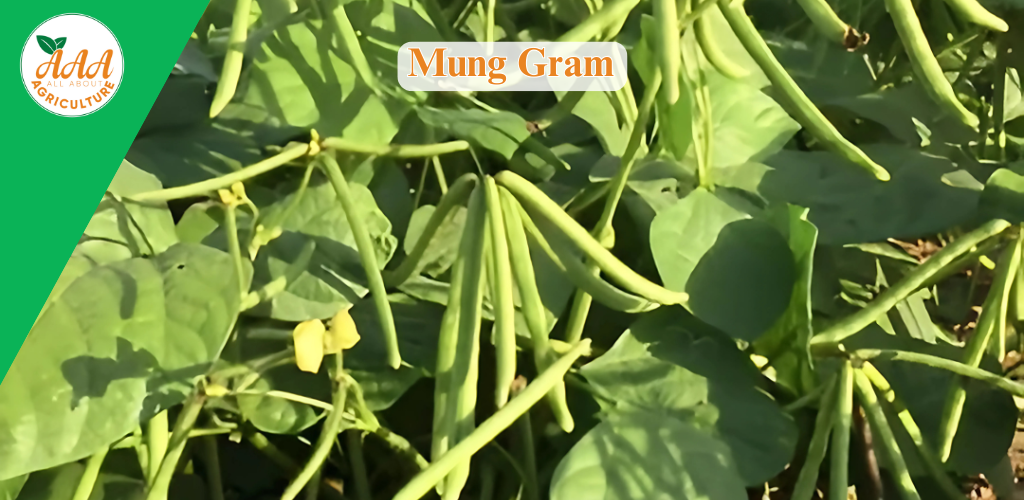
Understanding About Crop
Nutritional Value:
- Mung beans are rich in protein, fiber, iron, potassium, and B-vitamins, making them a superfood for daily diets.
- They have low fat, provide lasting energy, and are easily digestible, suitable for all age groups and health conditions.
- Consuming mung beans can help meet protein needs for vegetarians and improve muscle, blood, and bone health.
Dietary Diversity:
- Used in dals, sprouted salads, soups, dosas, and sweets, mung beans add variety to meals.
- Their ability to germinate quickly makes them a perfect ingredient for both cooked and raw dishes.
- Including mung beans helps families avoid food monotony and boosts nutrition easily.
Economic Importance:
- Mung bean farming generates steady income, as the crop is in high demand locally and globally for food and livestock feed.
- With short growth cycles (60–70 days), farmers can grow multiple crops per year, increasing profits and land use efficiency.
- Market demand stays strong year-round, especially with growing trends for plant-based protein.
Crop Rotation:
- Mung beans fit well in rotation with cereals (like wheat and rice), breaking pest and disease cycles and boosting soil health by fixing nitrogen.
- As a green manure or cover crop, moong beans leave the soil more fertile for future crops in the rotation plan.
- Crop rotation also reduces input costs and pesticide use, making farming more sustainable.
Climate Resilience:
- Mung bean is hardy, drought-tolerant, and thrives in warm and humid climates, benefiting farmers in varied regions.
- Even with fluctuating rainfall, this crop adapts well, saving resources and giving stable yields.
- Their low water needs makes mung beans excellent for climate-smart agriculture, especially in water-scarce areas.
Health Benefits:
- Regular intake boosts immunity, helps manage weight, improves digestion, and supports heart health due to fiber and essential minerals.
- Mung beans are gluten-free, suitable for those with gluten intolerance or allergies.
- On All about agriculture, we highlight recipes and tips for maximizing these health gains in the daily diet.
Key Features
Climate and Soil Requirements
- Mung bean grows best in warm and humid climates, with an optimal temperature range of 25–35°C. It is sensitive to frost but can handle short dry spells, so it suits summer, rainy, and short-winter planting seasons.
- Well-drained loam to sandy loam soils are ideal, though it can adapt to various soil types as long as there is no waterlogging. Soil pH should be slightly acidic to neutral (6.2–7.2).
- Good aeration is key for successful nitrogen fixation in the roots. High rainfall or poorly drained soils should be avoided as they stunt growth.
- Adding organic matter improves soil structure and supports beneficial microbes, aiding in robust crop growth.
- Farmers should test soil fertility and pH before planting. Use advice and soil kits shared by All about agriculture for best results.
Land Preparation
- Plough land 2–3 times to break clods and create a loose, fine tilth that aids root expansion and rapid seed germination.
- Remove previous crop debris, weeds, and large stones to minimize pest carryover and ensure uniform plant emergence.
- Mix well-rotted manure or compost (10–12 tons/ha) into the soil at least two weeks before sowing to improve fertility and water retention.
- Ridges and furrows should be created for proper drainage, helping avoid waterlogging during heavy rains.
- Leveling ensures even irrigation and better management, avoiding areas where water may stagnate.
High-Yielding and Hybrid Seed Selection
- Always use certified, disease-free seeds from trusted suppliers for reliable germination and healthy growth.
- Choose varieties recommended for your region, such as Samrat, SML 668, IPM2-3, Meha, or summer moong, which are bred for pest and disease resistance and high yield.
- Select bold-seeded types for spring/autumn and small-seeded types for hot, dry conditions for best results.
- Hybrid or improved seeds boost production and can offer better protection against yellow mosaic virus and bruchid pests.
- Renew seed lots every 2–3 years to maintain seed vigor and resilience, as suggested by All about agriculture.
Seed Treatment
- Treat seeds with fungicides such as Thiram or Captan (2–3g/kg) to prevent seed-borne diseases like rot or wilt.
- Inoculating seeds with Rhizobium culture enhances nitrogen fixation and early root growth – a must for first-time mung bean fields.
- Seed treatments also include Trichoderma with compost for extra protection against root rot fungi.
- Treated seeds should be planted soon after drying in shade, never in direct sunlight.
- This step ensures healthy, uniform stands and reduces the need for early sprays or interventions.
Sowing and Planting Methods
- Sowing time depends on the region – Kharif (monsoon), summer, or spring – but always after the last frost or heavy rain risk.
- Use a seed rate of 15–20 kg/ha for line sowing, with rows spaced 30–45 cm apart and seeds planted 5–7 cm deep, 10 cm between plants.
- Line sowing is preferred over broadcasting for better field management, easier weed control, and higher yields.
- Moist soil at sowing time encourages quick germination. Avoid sowing in dry or waterlogged fields.
- Farmers are encouraged to stagger sowing dates to avoid peak pest/disease periods, a tip shared by All about agriculture.
Nutrient and Fertilizer Management
- Apply 10–12 tons/ha of farmyard manure or compost during land prep for healthy soil microbes and moisture retention.
- Use a basal fertilizer mix of N:P:K at 15:60:100 kg/ha for better growth, with top dressing of 15 kg N/ha at flowering if foliage is poor.
- Avoid overusing nitrogen, as excess leads to excessive vegetative growth but fewer pods, while phosphorus and potassium improve root and seed development.
- Supplement micronutrients like zinc or boron if soil tests indicate deficiencies, especially in sandy soils.
- Always follow soil test recommendations and consult All about agriculture’s detailed fertilizer guidelines for good harvests.
Irrigation and Water Management
- First irrigation is needed right after emergence if dry; follow up with 2–3 more irrigations at 10–15 day intervals during the dry period.
- No irrigation is necessary during the rainy season if rainfall is adequate; stop irrigation about 50 days after sowing as pod formation starts.
- Ensure furrow or drip irrigation for even moisture – over-irrigating causes root rot and disease.
- Timely irrigation at flowering and pod filling is critical for maximum yield; avoid waterlogging at all times.
- Use rainfall and soil moisture updates via All about agriculture to optimize irrigation scheduling.
Intercultural Operations
- Select fields with low weed pressure for mung beans, as weed control options are limited; manual weeding or shallow hoeing is recommended 2–3 weeks after sowing and again at flowering.
- Herbicides like fluchloralin (Basalin) or pendimethalin (Stomp) may be used pre-emergence if allowed; always follow safety instructions.
- Maintain clean, weed-free rows to promote crop health and reduce pest habitat.
- Intertillage by hand or cultivator improves aeration and supports healthy crop growth.
- Timely operations – guided through All about agriculture’s field tips – are essential for stronger, more productive plants.
Pest Management
- Watch for major pests like whitefly, aphids, thrips, and pod borers – check plants regularly (weekly) during flowering and podding.
- Use pheromone traps, encourage beneficial insects, and spray neem or biopesticides at the first sign of infestation for eco-friendly pest control.
- Chemical controls should only be used if pest levels exceed economic thresholds; rotate chemicals to avoid resistance.
- Remove neighboring weeds and crop residues to lower pest pressure around mung bean fields.
- Integrated pest management (IPM), as encouraged by All about agriculture, relies on field monitoring and a combination of controls.
Disease Management
- Major diseases include yellow mosaic virus, powdery mildew, and root rot – choose resistant varieties and treat seeds to minimize problems.
- Practice crop rotation to break disease cycles and remove volunteer plants or infected stubble after harvest.
- Apply recommended fungicides or sprays only after confirming disease presence, and never as routine.
- Field hygiene – removing diseased plants, sanitizing tools, and prompt action – minimizes spread and future outbreaks.
- Get latest disease alerts and remedies from your All about agriculture updates.
Harvesting and Post-Harvest Management
- Harvest mung beans when most pods turn black or brown; delay can cause pods to split and seeds to scatter.
- Cut plants early in the morning or after dew to reduce shattering, bundle, and dry in shade before threshing.
- Thresh by beating or mechanical thresher, then clean and sun-dry seeds to 12% moisture for safe storage.
- Store beans in cool, dry, airtight containers to avoid insects and mold; inspect regularly till used or sold.
- For market readiness, use clean packaging and monitor price updates through All about agriculture for maximum returns.
Other Important Points
- Mung bean straw can be used as nutritious animal fodder, further increasing farm value.
- Sprouted mung beans deliver extra nutrition and can be sold as high-value health food.
- Explore value addition (packaged sprouts, dal) and direct market sales to boost farm income – All about agriculture offers regular tips.
- Stay connected for crop insurance, local training, and subsidy scheme news for moong growers.
Do’s
- Use certified and treated seeds for healthy stands.
- Rotate crops each year to control pests and diseases and manage soil health.
- Monitor pests and act early using eco-friendly solutions recommended by All about agriculture.
- Keep fields free from weeds and waterlogging by timely intercultural operations.
Don'ts
- Don’t over-irrigate or plant in poorly drained/waterlogged soil.
- Don’t use mixed or old, untested seeds as they may carry disease or give a poor crop.
- Don’t skip regular field visits, especially during flowering and podding.
- Don’t delay harvest - shattering losses can be high once pods mature.
Frequently Asked Questions
What natural pest control methods work best for mung bean farmers?
Farmers use botanical extracts like neem, garlic, and pyrethrum as eco-friendly pesticides. Introducing beneficial insects and practicing crop rotation reduce pest pressure while avoiding harmful chemicals. This approach protects both the crop and environment sustainably.
How can farmers manage storage pests in mung bean seeds?
Proper drying of seeds below 12% moisture and storing them in airtight, clean containers prevent insect infestation. Using natural repellents like neem leaves and regular inspection help maintain seed quality for future planting or sale.
Why is seed treatment important for mung bean cultivation?
Treating seeds with fungicides or biofertilizers protects seedlings against diseases and enhances nitrogen fixation. Healthy seedlings lead to uniform crop stands and better yields, reducing the need for chemical sprays later.
How does intercropping benefit mung bean farming?
Growing mung beans alongside cereals or other crops optimizes land use, improves pest management, and boosts overall farm income. Diverse cropping systems enhance soil health and reduce disease outbreaks.
What are simple soil fertility improvement techniques for mung beans?
Incorporating organic compost or farmyard manure before sowing increases soil nutrients and moisture retention. Crop rotation with cereals also rejuvenates soil, supporting better mung bean growth without heavy chemical input.
How can farmers cope with climatic stresses in mung bean cultivation?
Selecting drought-tolerant varieties, adjusting sowing dates to avoid dry or hot spells, and mulching to conserve soil moisture help manage unpredictable weather and ensure stable yields.
What are effective irrigation practices for mung bean?
Irrigate at critical growth stages like flowering and pod-filling but avoid overwatering to prevent root diseases. Using drip or furrow irrigation conserves water and promotes healthy crop development.
How do farmers control common diseases organically in mung beans?
Use resistant varieties, maintain field hygiene, and apply organic fungicides such as copper-based or neem extracts. Early disease monitoring and prompt removal of infected plants prevent spread.
How can crop residue management enhance mung bean soil health?
Incorporating residues enriches organic matter, improves soil structure, and supports beneficial microbes. Residue mulch also conserves moisture and controls weeds naturally.
What role do biofertilizers play in sustainable mung bean farming?
Biofertilizers improve soil nitrogen fixation, enhance nutrient uptake, and promote healthy root systems. Their use reduces chemical fertilizer dependency and fosters eco-friendly production.
How can farmers achieve better market prices for mung bean produce?
Ensuring good grain quality through proper harvesting, drying, and storage attracts better buyers. Joining farmer groups and tracking market trends via platforms like All about agriculture help in timing sales profitably.
What are the benefits of using multi-season sowing in mung bean farming?
Sowing mung beans in multiple seasons spreads risk, improves land productivity, and takes advantage of market demand fluctuations. It helps farmers achieve consistent income throughout the year.