Mustard and Rapeseed
Mustard and Rapeseed
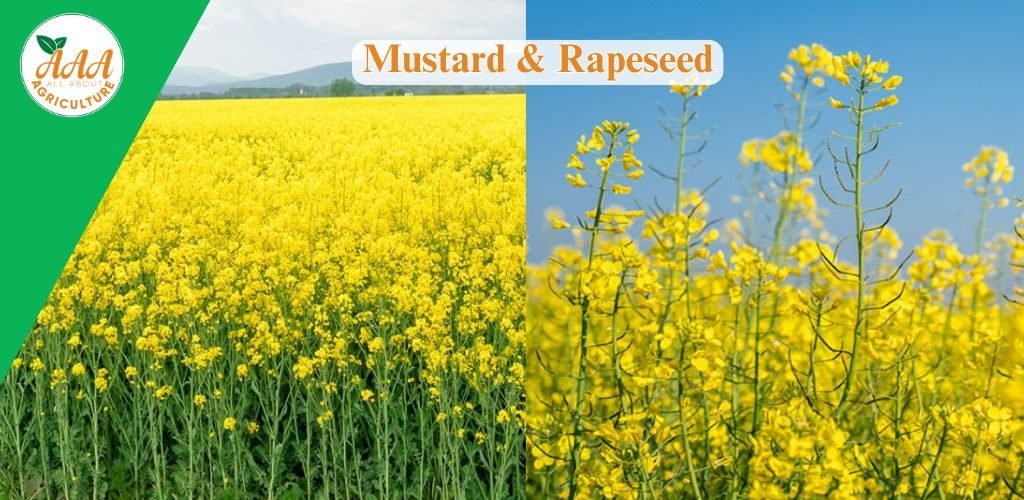
Understanding about Crop
Nutritional Value:
- Mustard and Rapeseed seeds are rich in healthy edible oils consisting mainly of unsaturated fats like omega-3 and omega-6.
- The seeds also provide proteins and essential minerals such as magnesium and phosphorus important for nutrition.
- Mustard greens contribute dietary fiber, vitamins A, C, and antioxidants aiding in overall health.
- The oils extracted help reduce cholesterol and support cardiovascular health.
- Nutritional value depends on seed quality and oil extraction processes.
- Mustard oil contains natural anti-inflammatory compounds beneficial in traditional medicines.
- Regular use of mustard and rapeseed oils supports balanced dietary fats intake.
Dietary Diversity:
- Mustard and Rapeseed oils are widely utilized in cooking across many cuisines and regions.
- The seeds serve as condiments and flavor enhancers in Pickles, curries, and other dishes.
- Employing seed cakes as protein-rich animal feed diversifies food chain sources.
- Green mustard leaves add variety to vegetable consumption in many traditional diets.
- Oil blends with mustard oil enrich nutritional content and culinary applications.
- The crop’s multipurpose use supports diversified agriculture and food systems.
- Mustard seed powder finds wide use in spice blends, enhancing gastronomy diversity.
Economic Importance:
- Mustard and Rapeseed are crucial cash crops enhancing farmer incomes and supporting oilseed markets worldwide.
- They contribute significantly to edible oil consumption and export revenues in many countries.
- Processing industries related to oil extraction and seed cake production generate rural employment.
- Stable demand for mustard and rapeseed oils secures market confidence for growers.
- Crop cultivation is often supported by government subsidies and research programs.
- Value-added product diversification offers multiple income streams from the crop.
- The crops impact agro-economic development in producing regions positively.
Crop Rotation:
- Mustard and Rapeseed fit well into crop rotations with cereals and legumes, improving soil nitrogen and structure.
- Rotation disrupts pest and disease cycles, reducing reliance on chemical controls.
- Organic matter from residue incorporation after harvest improves fertility.
- Crop diversity from rotation enhances system resilience against climatic variations.
- Rotating with pulses helps fix atmospheric nitrogen, supporting subsequent crops.
- Programs promoting rotational cropping boost sustainable farm productivity.
- Crop planning respects climatic and soil conditions for rotation success.
Climate Resilience:
- Mustard and Rapeseed prefer cool to moderate climates, growing best between 10-25°C.
- Crops tolerate mild frost but are sensitive to high temperatures affecting flowering.
- Regular rainfall of 50-75 cm during growth stages supports optimum yields.
- Water stress negatively impacts seed set and oil content.
- Adaptation to varying photoperiods allows growth across diverse regions.
- Newer varieties show improved resistance to heat and drought.
- Climate-smart practices mitigate challenges from temperature fluctuations.
Health Benefits:
- Mustard and Rapeseed oils help lower bad cholesterol and improve heart health.
- The oils contain antioxidants protecting cells from oxidative stress.
- Mustard leaves provide fiber and micronutrients supporting digestive health.
- Oils’ anti-inflammatory properties promote metabolic wellness.
- Properly processed oils reduce harmful fatty acid components.
- Traditional medicinal uses include mustard oil for topical skin conditions.
- Balanced intake supports healthy body functions and weight control.
Key Features
Climate and Soil Requirements
- Require well-drained loamy soils with pH 6.0 to 7.5 for optimal growth.
- Prefer cool seasons and moderate humidity for flowering and oilseed development.
- Sensitive to waterlogging and salinity; soil must have good permeability.
- Optimal rainfall ranges from 50 to 75 cm, with even distribution.
- Well-prepared soils improve seed germination and root development.
- Soil organic matter content enhances nutrient availability and moisture retention.
- Slope and terrain affect erosion potential; terraces may be necessary.
- Maintain soil aeration for healthy microbial activity.
- Climate influences flowering time and eventual seed yield.
- Microclimate modifications through shade or windbreaks can improve crop resilience.
Land Preparation
- Multiple deep ploughings with harrowing create fine seedbeds for uniform sowing.
- Remove previous crop residues and perennial weeds to reduce pest pressure.
- Level the land to facilitate drainage and irrigation uniformity.
- Organic manure incorporation before sowing improves soil structure and fertility.
- Raised beds can prevent waterlogging in poorly drained soils.
- Avoid soil compaction for root expansion and nutrient absorption.
- Early land preparation helps timely sowing and crop establishment.
- Maintain appropriate soil moisture during tillage to optimize seedbed conditions.
- Sanitation practices reduce disease inoculum and pests.
- Proper soil tilth boosts germination and successful crop stand.
High-Yielding and Hybrid Seed Selection
- Use certified seeds from reliable sources to ensure purity and germination.
- Choose hybrids or improved cultivars known for high oil content and disease resistance.
- Replace seed stock regularly to maintain genetic vigor and yield potential.
- Select varieties suited for regional climate and soil characteristics.
- Seed quality directly impacts crop uniformity and final yields.
- Hybrid seed adoption improves plant vigor, flower count, and disease resistance.
- Obtain seeds from trusted government or private seed agencies.
- Test seed germination percentage before sowing.
- Store seeds in cool, dry conditions to preserve viability.
- Proper variety selection boosts profitability.
Seed Treatment and Nursery Management
- Treat seeds with fungicides against rhizoctonia and damping-off diseases.
- Apply biofertilizers including Rhizobium to improve nitrogen fixation.
- Keep nursery beds clean and watered regularly for healthy seedlings.
- Harden seedlings by gradually exposing them to open fields before transplanting.
- Use shading nets to protect young plants from intense sun.
- Control pests through safe, eco-friendly sprays in nursery phase.
- Sanitize tools and equipment to avoid disease spread.
- Prepare fine seedbeds blended with organic matter for high germination.
- Transplant seedlings during cooler periods for better establishment.
- Follow safety norms in handling chemicals during seed treatment.
Sowing and Planting Methods
- Sow seeds in well-prepared soil when temperature is optimal for early growth.
- Maintain recommended spacing (30 cm row-to-row and 10-15 cm plant-to-plant) to maximize air circulation.
- Use seed drills for precise planting and uniform population.
- Cover seeds lightly and firm soil to ensure moisture retention and seed-to-soil contact.
- Irrigate if rain is insufficient to aid germination.
- Thin plants as required to reduce competition and improve growth.
- Delay planting in extremely hot conditions to avoid poor germination.
- Opt for line sowing to facilitate intercultural operations.
- Seed rate varies based on region and method; adjust for optimal density.
- Timely sowing helps avoid late-season pest pressure.
Nutrient and Fertilizer Management
- Apply nitrogen at 60-80 kg/ha for healthy vegetative growth.
- Phosphorus (30-40 kg/ha) is applied at planting to promote root and flower development.
- Potassium (40-50 kg/ha) enhances stress tolerance and seed quality.
- Incorporate organic fertilizers to improve soil microbial health.
- Micronutrients like sulphur and zinc aid oil biosynthesis and crop vigor.
- Use split doses of nitrogen for efficient uptake and yield maximization.
- Avoid excess fertilization to reduce environmental pollution.
- Soil testing guides fertilizer application precision.
- Balanced nutrients improve seed, oil, and fiber quality.
- Fertilization integrated with irrigation supports sustainable crop growth.
Irrigation and Water Management
- Mustard and Rapeseed need consistent moisture during flowering and seed formation.
- Excessive irrigation during maturity stage can reduce oil content and quality.
- Use drip or surface irrigation depending on local water availability.
- Mulching techniques help conserve soil moisture and reduce evaporation.
- Monitor soil moisture status to schedule irrigation precisely minimizing wastage.
- Drought stress during early stages affects germination and canopy development.
- Rainfed mustard requires conservation tillage to retain moisture for crop needs.
- Proper water management optimizes yield and oil content.
- Avoid waterlogging to prevent root diseases.
- Efficient irrigation reduces input cost and environmental impact.
Intercultural Operations
- Weed control during early growth is critical for nutrient conservation.
- Mechanical cultivation helps in aeration and weed suppression.
- Remove diseased and weak plants to improve overall health.
- Mulch application suppresses weed growth and conserves moisture.
- Pruning encourages sturdier plant growth and better yield.
- Crop rotation with cereals or legumes improves soil health.
- Regular monitoring helps timely identification of nutritional or pest issues.
- Maintain sanitation by clearing plant debris regularly.
- Support intercropping systems to maximize farm productivity.
- Intercultural practices reduce dependency on agrochemicals.
Pest Management
- Main pests include aphids, whiteflies, and sawflies causing significant damage.
- Use integrated pest management combining natural predators and selective insecticides.
- Neem-based biopesticides offer eco-friendly pest control options.
- Regular pest scouting facilitates early detection and intervention.
- Crop diversification reduces pest outbreaks by disrupting life cycles.
- Avoid indiscriminate pesticide use to prevent resistance build-up.
- Maintain habitat for natural enemies in field edges.
- Timely pest control sustains plant vigor and yield.
- Practice crop rotation to lower pest population.
- Use resistant varieties where available.
Disease Management
- Common diseases include Alternaria blight, white rust, and powdery mildew.
- Apply fungicides according to disease severity and stage of crop.
- Use resistant cultivars and certified seed to minimize infections.
- Maintain proper plant spacing to enhance air circulation and reduce humidity.
- Remove and destroy infected plant material immediately.
- Avoid over-irrigation to prevent fungal spread.
- Crop rotation breaks disease cycles.
- Sanitize tools and machinery to prevent disease transmission.
- Monitor fields regularly for early signs of disease.
- Utilize biocontrol agents where possible.
Harvesting and Post-Harvest Management
- Harvest Mustard and Rapeseed when pods mature and start turning brown, usually 90-120 days after sowing.
- Mechanical or manual harvesting can be used depending on scale and resources.
- Dry the harvested seeds properly to reduce moisture and prevent fungal growth.
- Clean seeds to remove dirt, broken pods, and impurities for quality improvement.
- Proper storage in cool, dry conditions maintains seed viability and oil quality.
- Post-harvest residues can be used for organic manure or animal feed.
- Timely marketing reduces losses and improves economic gains.
- Maintain hygiene in processing and handling for consumer safety.
- Monitor storage regularly for pest infestations and moisture fluctuation.
Additional Points
- Mustard and Rapeseed farming supports millions of small farmers globally.
- The crops offer eco-friendly alternatives to many synthetic oils.
- Advances in seed technology improve resilience and yield.
- Visit All about agriculture for detailed cultivation and market updates.
- Sustainable practices enhance farmer income and environmental protection.
- Educational support empowers farmers to adopt best practices for success.
Do’s
- DO use certified, disease-free Mustard and Rapeseed seeds for planting.
- DO maintain recommended spacing to ensure airflow and reduce disease.
- DO monitor fields regularly for pests and apply IPM strategies.
- DO apply fertilizers based on soil test recommendations.
- DO irrigate appropriately avoiding over-saturation of soil.
- DO mulch fields to conserve moisture and suppress weeds.
- DO follow timely harvest practices to maximize yield quality.
- DO implement crop rotation to sustain soil fertility and reduce pests.
Don'ts
- DON’T use untreated or old seeds for sowing.
- DON’T over-irrigate as it causes root diseases.
- DON’T delay pest and disease monitoring and control.
- DON’T burn crop residues; compost them to preserve soil health.
- DON’T over-apply nitrogen which causes excessive foliage growth.
- DON’T neglect regular soil and crop analysis.
- DON’T ignore early signs of crop stress.
What are the common insect pests affecting Mustard and Rapeseed crops?
Common pests include mustard aphids, painted bugs, sawflies, and hairy caterpillars. Effective pest management strategies reduce damage and protect crop yield.
How can farmers manage aphid infestations in Mustard and Rapeseed?
Integrated pest management using neem-based sprays, releasing natural predators like ladybirds, and applying appropriate insecticides at early infestation stages help control aphids efficiently.
What is the role of seed treatment in Mustard and Rapeseed farming?
Seed treatment with fungicides and insecticides protects seeds from soil-borne diseases and early insect attacks, ensuring better germination and plant establishment.
Are there specific resistant varieties of Mustard and Rapeseed available?
Yes, several resistant varieties are bred to withstand common diseases like white rust and alternaria blight, enhancing yield and reducing chemical usage.
What cultural practices help reduce pest incidence in Mustard and Rapeseed fields?
Practices like timely sowing, crop rotation, field sanitation, and destruction of infected plant debris minimize pest buildup and disease outbreaks in Mustard and Rapeseed.
How do balanced fertilizer applications affect pest management in Mustard and Rapeseed?
Balanced use of nitrogen, phosphorus, and potassium strengthens plant health and resilience, reducing vulnerability to pests and leading to better yields.
What are the signs of powdery mildew and how can it be controlled in Mustard and Rapeseed?
Powdery mildew appears as a white powdery coating on leaves and stems. Control includes resistant varieties, proper spacing, fungicide sprays, and removing affected parts.
How important is crop rotation for disease management in Mustard and Rapeseed?
Crop rotation breaks pest and disease cycles, reduces pathogen buildup in soil, and maintains soil fertility, fostering sustainable Mustard and Rapeseed cultivation.
Can Mustard and Rapeseed pests develop resistance to insecticides?
Yes, overuse or improper insecticide use can lead to resistance; rotating chemicals and integrating biocontrol methods minimize this risk.
What are eco-friendly pest control options for Mustard and Rapeseed farmers?
Bio-pesticides like neem oil, microbial agents such as Bacillus thuringiensis, and releasing natural predators offer sustainable pest control choices.
How can farmers monitor pest populations effectively in Mustard and Rapeseed fields?
Using yellow sticky traps, regular field scouting, and recording pest incidence helps timely intervention and reduces crop losses.
Where can farmers learn more about integrated pest management for Mustard and Rapeseed?
Comprehensive pest management guides and expert advice on Mustard and Rapeseed are available on agricultural platforms such as All about agriculture.