Pepper
Pepper
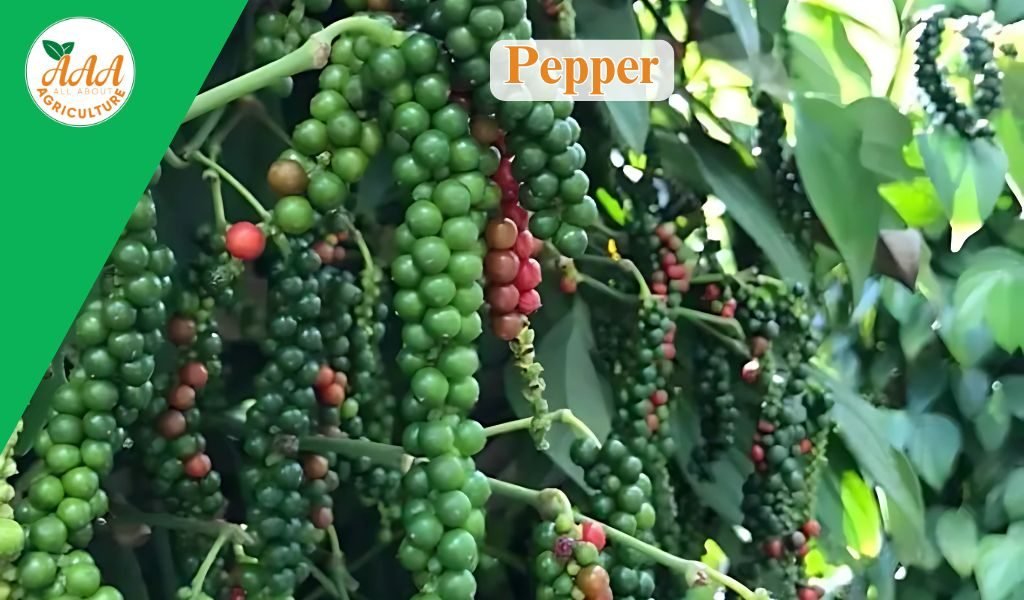
Understanding About Crop
Nutritional Value:
- Peppercorns are rich in antioxidants, minerals like manganese, calcium, and potassium, and contain bioactive compounds such as piperine.
- It has low calories but contributes to digestive health and boosts metabolism.
- Piperine enhances nutrient absorption and possesses antibacterial and anti-inflammatory properties.
- Pepper stimulates digestive enzymes aiding in nutrient breakdown and absorption.
- The spice is commonly used in traditional medicine for ailments like indigestion and cold relief.
- Black pepper contains vitamins K and C supporting immune health.
- Consumption in moderation supports cardiovascular and neurological functions.
Dietary Diversity:
- Used globally as a spice to flavor savory and sweet dishes, snacks, and beverages.
- Integral to spice blends and preserved foods for flavor and preservation qualities.
- Available in black, white, green, and red forms each with unique taste profiles.
- Ground or whole peppercorns are used variably in cooking and medicinal applications.
- Pepper oil and extracts appear in food flavorings, cosmetics, and pharmaceuticals.
- Pepper is culturally significant in many cuisines and traditional remedies.
- Its pungent flavor enhances appetite and sensory pleasure in meals.
Economic Importance:
- Pepper is a high-value cash crop important for many tropical countries’ economies.
- Major exporter nations include India, Vietnam, Indonesia, and Brazil.
- The spice trade supports livelihoods via farming, processing, and global marketing.
- Processed pepper products like powder, oil, and oleoresins add value and employment.
- All about agriculture provides market trends, quality standards, and cultivation guidance.
- Crop diversification including pepper stabilizes income sources for farmers.
- Emerging markets increase demand for organic and specialty pepper.
Crop Rotation:
- Pepper vines benefit from rotation with legumes or annual crops to restore soil nitrogen.
- Rotation breaks pest and disease cycles such as nematodes and fungal infections.
- Integrating shade trees and intercrops improves biodiversity and microclimate.
- Crop diversification reduces chemical usage and soil degradation.
- Rotated plots recover faster with better root growth in succeeding cycles.
- Legumes enrich soil fertility and organic matter content.
- Proper rotation planning enhances sustainable pepper farming.
Climate Resilience:
- Thrives in warm, humid tropical climates with temperatures between 25–35°C.
- Requires annual rainfall of 2000–3000 mm, evenly distributed for best growth.
- Does not tolerate frost, extreme drought, or waterlogging, making site choice crucial.
- Mature vines tolerate some dry periods if irrigated adequately.
- Shaded and protected planting reduces heat stress and conserves moisture.
- Climate-adapted varieties improve yield under varying weather conditions.
- Mulching and efficient irrigation support climate resilience.
Health Benefits:
- Pepper consumption aids digestion, reduces inflammation, and has antimicrobial properties.
- Supports immune function and improves nutrient absorption.
- Possible analgesic and antioxidant effects reduce oxidative stress.
- Piperine in pepper improves brain function and may enhance cognitive performance.
- Moderate intake supports cardiovascular health by lowering blood lipid levels.
- Excessive intake may cause heartburn or gastrointestinal irritation in sensitive people.
- Spices like pepper contribute to traditional dietary medicine systems.
Key Features
Climate and Soil Requirements
- Pepper grows best in tropical humid regions with 25–35°C temperature and 2000–3000mm annual rainfall.
- Prefers well-drained, fertile, loamy soils rich in organic matter with pH 5.5 to 6.5.
- Avoids waterlogged, saline, or compacted soils which cause root disease.
- Partial shade protects young vines and improves microclimate.
- Gentle slopes with good drainage are ideal to prevent stagnation.
- Soil testing helps in identifying nutrient deficiencies early.
- Pineapple or banana shade trees commonly planted with pepper for protection.
- Proper site selection enhances vine longevity and productivity.
- Drainage ditches should be maintained to avoid water accumulation.
Land Preparation
- Clear land of weeds, stones, and previous crop residues thoroughly before planting.
- Deep plough or till soil to a depth of 25–30 cm for loosening and aeration.
- Incorporate 15–20 tons/ha of organic matter such as farmyard manure or compost to improve soil health.
- Level land for uniform water distribution and easier planting.
- Build support poles or trellises before planting to train pepper vines.
- Avoid planting immediately after other solanaceous crops to minimize disease risk.
- Mulch prepared beds with organic materials to conserve moisture and protect soil.
- Maintain good boundary plantations to prevent wind damage and soil erosion.
- Check pH and apply lime or sulfur to balance acidity as required.
High-Yielding and Hybrid Seed Selection
- Use certified, high-yielding, disease-resistant clones or hybrids adapted to local climatic conditions.
- Select planting material with healthy root systems and free from pests or diseases.
- Propagation usually via cuttings or grafted plants to maintain varietal purity.
- Prefer clones with good spike length and berry size for higher market value.
- Avoid using uncured or untested cuttings to reduce establishment failures.
- Purchase from certified nurseries or government approved sources.
- Monitor clone performance and switch to better hybrids regularly.
- Use pre-treated planting material with fungicides to increase survival.
- Maintain tidy nursery conditions to prevent pathogen spread.
Seed Treatment
- Treat cuttings with fungicides before planting to protect from root rots and fungal infections.
- Dip in solutions like Carbendazim or Copper oxychloride for seedling health.
- Maintain hygienic conditions in propagation beds to reduce disease incidence.
- Apply biofertilizers and growth stimulants to enhance root development.
- Store treated cuttings under shade to prevent drying or scorching before planting.
- Follow safety procedures during fungicide handling.
- Monitor cuttings for early signs of disease or pest attack.
- Use clean, disinfected tools for cutting and planting.
- Avoid over-soaking to prevent fungal growth.
Sowing and Planting Methods
- Pepper is propagated using stem cuttings, typically 20–30 cm long, planted during the start of the rainy season.
- Plant cuttings vertically or at an angle near support poles or trellises.
- Recommended spacing between plants is 2.5–3 meters in rows 2.5–3 meters apart for airflow and sunlight.
- Shade plants, particularly young vines, with banana or other shade trees.
- Use mulch to reduce weed competition and conserve soil moisture.
- Water young plants regularly to ensure establishment.
- Maintain clean planting sites free from weeds and debris.
- Remove weak shoots and train the main vine for optimal growth.
- Gap filling should be done promptly to maintain uniform density.
Nutrient and Fertilizer Management
- Integrate compost and green manures yearly to boost organic matter.
- Apply balanced NPK fertilizers based on soil test, typically 120 kg N, 60 kg P2O5, and 80 kg K2O per hectare.
- Split nitrogen doses: basal, vegetative, and flowering stages for efficient uptake.
- Supplement micronutrients like zinc, magnesium, and boron through foliar feeding if deficiencies appear.
- Avoid excess nitrogen to prevent excessive foliage at the cost of berry yield.
- Use biofertilizers such as Azospirillum to improve nitrogen fixation and root health.
- Monitor plant growth and adjust fertilizer application accordingly.
- Maintain soil pH within the optimal range for nutrient availability.
- Timely nutrient management maximizes yield and berry quality.
Irrigation and Water Management
- Pepper requires consistent moisture but is sensitive to waterlogging – well-timed irrigation is important.
- Drip irrigation ensures efficient water use and reduces disease incidence on leaves.
- Water young plants more frequently, while mature plants tolerate short dry spells.
- Avoid overhead irrigation to prevent fungal leaf diseases.
- Mulching conserves soil moisture and moderates temperature fluctuations.
- Schedule irrigation based on weather, soil moisture, and crop stage.
- Proper drainage prevents root damage and disease.
- Rainwater harvesting systems can supplement irrigation needs.
- Maintain even soil moisture for optimum fruit set and development.
Intercultural Operations
- Frequent weed removal reduces water and nutrient competition for pepper vines.
- Pruning old or dead shoots promotes new growth and improves air circulation.
- Train vines on support structures for better sunlight exposure and harvest efficiency.
- Remove suckers and unwanted shoots to direct energy to main vine growth.
- Mulching suppresses weeds, retains moisture, and enhances soil fertility.
- Maintain shade to protect young vines from harsh sunlight.
- Sanitize tools and hands during pruning to avoid disease spread.
- Rotate crops and maintain field cleanliness to manage pests effectively.
- Monitor regularly and adjust care during flowering and fruiting stages.
Pest Management
- Common pests: pepper scale insects, mealybugs, thrips, aphids, and stem borers damaging leaves and spikes.
- Use integrated pest management, combining biological control, pheromone traps, and selective pesticides.
- Encourage natural enemies like ladybirds and predatory mites.
- Avoid indiscriminate pesticide use to prevent resistance and environmental harm.
- Monitor pest populations regularly for timely intervention.
- Remove and destroy infested plant parts to limit spread.
- Employ cultural controls such as crop sanitation and proper pruning.
- Use neem or other botanical pesticides for eco-friendly management.
- Educate workers on pest identification and safe handling of chemicals.
Disease Management
- Major diseases: Phytophthora foot rot, leaf spot, anthracnose, and quick wilt.
- Use resistant or tolerant varieties when available.
- Maintain good field drainage to prevent waterlogging diseases.
- Apply fungicides at early detection stages as per recommendations.
- Practice crop rotation to reduce disease buildup.
- Remove and destroy infected plant material promptly.
- Avoid soil compaction and improve aeration.
- Maintain proper plant spacing to reduce humidity.
- Regularly inspect fields and keep disease records for better management.
Harvesting and Post-Harvest Management
- Harvest pepper berries when they turn from green to yellow-red, depending on desired pepper type.
- Carefully pick by hand to avoid berry damage.
- Clean and wash harvested berries before processing.
- Dry in the sun or mechanical dryers till moisture is 10-12% to prevent mold.
- Sort and grade dried pepper for uniformity and quality.
- Store in dry, ventilated containers protected from insects and moisture.
- Process berries into black, white, or green pepper as per market demand.
- Timely marketing fetches better prices and reduces post-harvest losses.
- Maintain hygiene in post-harvest facilities to ensure product safety.
Other Important Points
- Pepper cultivation supports biodiversity and agroforestry systems with shade trees.
- Piperine in pepper acts as a natural bio-enhancer for nutrient absorption.
- Excessive consumption may cause gastrointestinal irritation in sensitive individuals.
- For latest cultivation techniques and market info, visit All about agriculture website.
Do’s
-
Use certified disease-free planting material.
-
Maintain balanced fertilization and efficient watering.
-
Regularly scout for pests and diseases.
-
Provide proper vine training and pruning.
Don'ts
-
Don’t plant in poorly drained or waterlogged soils.
-
Don’t over-irrigate or use pesticides excessively.
-
Don’t ignore early warning signs of infestations or disease.
-
Don’t overcrowd plants, which increases disease risk.
How does proper vine training affect pepper production?
Training pepper vines on supports increases sunlight exposure, improves air circulation, reduces disease incidence, and makes harvesting easier, leading to higher yields.
What organic methods are effective for controlling pepper scale insects?
Neem oil, insecticidal soaps, and encouraging natural predators like ladybugs help reduce scale insect populations without harmful chemicals.
How can intercropping benefit pepper cultivation?
Growing shade trees or crops like banana with pepper enhances microclimate, soil fertility, pest control, and provides additional income streams.
What is the impact of irrigation scheduling on pepper quality?
Consistent and adequate irrigation during flowering and fruiting improves berry size, quality, and overall yield by reducing water stress.
How does soil pH affect nutrient availability for pepper plants?
Pepper prefers slightly acidic to neutral soils (pH 5.5-6.5). Out-of-range pH levels reduce nutrient uptake and negatively impact growth and yield.
Which natural predators help manage pepper pests?
Lady beetles, lacewings, and predatory mites feed on common pests, helping maintain pest populations below damaging levels.
What role does mulch play in pepper farming?
Mulching conserves soil moisture, keeps soil temperature stable, suppresses weeds, and reduces splash dispersal of soil-borne pathogens.
How can farmers detect and manage root rot in pepper vines?
Watch for yellowing leaves and wilting; improve soil drainage, avoid overwatering, and apply recommended fungicides for control.
What are the benefits of pruning in pepper cultivation?
Pruning removes dead or overcrowded shoots, improves air circulation, promotes healthy growth, and increases fruit production efficiency.
How does climate variability influence pepper yield?
Changes in rainfall and temperature can stress vines, affect flowering, and increase pest and disease pressure, requiring adaptive management.
Can pepper farming be profitable year-round?
With proper irrigation, climate control, and disease management, pepper can yield multiple harvests per year, improving profitability.
Where can pepper farmers access updated market trends and farming techniques?
Farmers can find reliable advice and market updates on our website All about agriculture, supporting informed planning and decision-making.