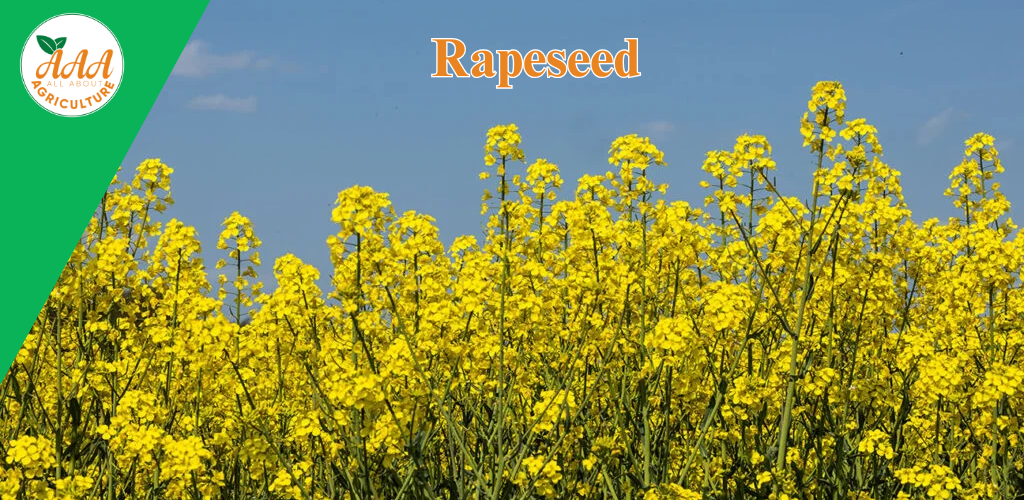
Rapeseed
Rapeseed
Understanding About Crop
Nutritional Value:
- Rapeseed provides high-quality oil rich in monounsaturated fats, omega-3 fatty acids, and vitamin E.
- The oil supports heart health, lowers cholesterol, and contributes to balanced diets.
- The meal left after oil extraction is used as high-protein animal feed, adding value to farm products.
Dietary Diversity:
- Rapeseed oil is commonly used in cooking, dressings, and processed foods worldwide.
- The meal supports livestock diets, diversifying farm income.
- Including rapeseed oil in food enhances nutrient variety in daily meals.
Economic Importance:
- Rapeseed cultivation is profitable due to increasing oil demand and export potential.
- Multiple product uses – from oil to meal and biofuel – offer farmers additional earning opportunities.
- All about agriculture helps farmers access markets and maximize farm revenue.
Crop Rotation:
- Growing rapeseed after cereals and legumes helps break pest and disease cycles.
- Crop rotation maintains soil health, reduces chemical fertilizer use, and improves yields.
- Rapeseed adds organic matter, supporting sustainable farming practices.
Climate Resilience:
- Rapeseed thrives in temperate to subtropical climates with cool growing seasons.
- Tolerates moderate drought and frost but needs well-distributed rainfall (350-550 mm).
- Its adaptability makes it suitable for diverse farming systems, including rainfed regions.
Health Benefits:
- Rapeseed oil’s healthy fats support cardiovascular health and reduce inflammation.
- Vitamin E content boosts immunity and skin health.
- The crop’s dual role supports food security and livestock nutrition.
Key Features
Climate and Soil Requirements
- Rapeseed grows best in cool climates with temperatures between 20-28°C during growing periods, sensitive to extreme heat which reduces yield.
- Prefers well-drained loam to clay loam soils with pH between 6.0 and 7.5 for optimum root development and nutrient uptake.
- Waterlogging adversely affects crop health and promotes root diseases; proper soil drainage is crucial.
- Soils rich in organic matter enhance plant vigor and moisture retention.
- Soil testing to adjust pH or nutrient deficiencies increases growth success, as advised regularly by All about agriculture.
Land Preparation
- Plough deeply to 15-20 cm and follow with harrowing for a fine, uniform seedbed free of clods and weeds.
- Remove crop residues thoroughly to reduce pests and disease carryover.
- Incorporate 5-7 tons/ha of well-decomposed farmyard manure 2-3 weeks before sowing to enhance soil fertility and structure.
- Level the land uniformly to prevent waterlogging and enable efficient irrigation.
- Timely and sound land preparation leads to better plant growth and increased yields.
High-Yielding and Hybrid Seed Selection
- Select certified, high-yield, and disease-resistant rapeseed varieties suited to your region’s climate and soil.
- Popular varieties include “Pusa Bold,” “NDR-8501,” and hybrids suited for early or late sowing.
- Hybrids often exhibit better vigor, yield, and tolerance to stresses compared to open-pollinated types.
- Seed renewal every 2-3 years maintains seed vigor and yield potential.
- All about agriculture provides latest variety trials and seed sources to farmers.
Seed Treatment
- Treat seeds with fungicides such as Captan or Thiram (3-4 g/kg seed) to protect against seed and soil-borne diseases.
- Insecticidal seed treatments prevent initial pest damage from seed maggots or aphids.
- Use bioinoculants or micronutrient coating where applicable to enhance seedling vigor.
- Proper drying post-treatment preserves seed viability and effectiveness.
- Follow All about agriculture’s guidelines for safe and correct seed treatment application.
Sowing and Planting Methods
- Sow rapeseed seeds 1.5–2.5 cm deep in well-prepared seedbeds; avoid sowing too deep to prevent delayed emergence.
- Optimum row spacing is 30-45 cm with 10-15 cm between plants, depending on variety and soil fertility.
- Early October to mid-November is ideal sowing time for winter rapeseed in India; adjust per local climate.
- Use seed drills or precision planters to ensure uniform seed distribution and reduce seed wastage.
- Maintaining soil moisture at sowing improves germination and establishment.
Nutrient and Fertilizer Management
- Incorporate 5–7 tons/ha of organic manure prior to sowing for enhanced microbial activity and fertility.
- Apply balanced NPK fertilizers based on soil test recommendations, commonly 60–80 kg N, 40–60 kg P2O5, and 30–40 kg K2O per hectare.
- Excess nitrogen can promote excessive vegetative growth and reduce oil content; proper balance is crucial.
- Foliar sprays of micro-nutrients like sulfur and boron help in flowering and seed filling stages.
- Regular soil testing and All about agriculture’s advisories optimize fertilizer input and cost.
Irrigation and Water Management
- Rapeseed requires sufficient moisture during flowering and seed development phases for good oil yield.
- Avoid waterlogging by ensuring proper drainage as rapeseed is sensitive to stagnating water.
- Drip irrigation improves water efficiency and reduces disease pressure compared to flood irrigation.
- Mulching can conserve soil moisture and moderate temperature under dry conditions.
- Use regional weather data and All about agriculture’s irrigation schedules for precise water management.
Intercultural Operations
- Early hand or mechanical hoeing 2–3 times during initial growth phases controls weeds and loosens soil.
- Mulching suppresses weed growth and improves moisture retention.
- Field sanitation, including removal of weeds and diseased plant parts, limits pest and disease populations.
- Gap filling after emergence ensures uniform plant population and reduces competition.
- Scheduled intercultural care improves crop health and final productivity.
Pest Management
- Common pests: aphids, flea beetles, and caterpillars that reduce plant vigor and oil yield.
- IPM practices include scouting, using biopesticides (Neem, Bt), and releasing natural enemies to minimize damage.
- Crop rotation and resistant varieties reduce pest pressure sustainably.
- Avoid overuse of insecticides to protect beneficial insects and prevent resistance.
- All about agriculture’s pest alert and management guides help farmers proactively manage infestations.
Disease Management
- Major diseases: white rust, alternaria blight, downy mildew, and sclerotinia rot. Use resistant cultivars for prevention.
- Timely fungicide sprays and seed treatment lower incidence of fungal infections.
- Crop rotation and sanitation are critical to reduce disease buildup and spread.
- Identify and remove infected plants early to protect healthy crop stands.
- Regular updates from All about agriculture ensure current disease control recommendations.
Harvesting and Post-Harvest Management
- Harvest when 70–80% of seeds in the head are mature and moisture is 8–10%.
- Use mechanical harvesters or manual techniques carefully to minimize seed loss and damage.
- Dry seeds adequately to safe moisture level before storage.
- Store in cool, dry, and pest-free conditions using airtight containers or bins.
- All about agriculture provides market advice and post-harvest management tips for best returns.
Other Important Points
- Rapeseed meal after oil extraction is a valuable protein source for livestock feeding.
- Biofuel and industrial applications add value to rapeseed cultivation for farmers.
- Staying updated with government policies, schemes, and weather advisories through All about agriculture helps optimize production and marketing.
- Rapeseed cultivation contributes to biodiversity and ecological balance in cropping systems.
Do’s
- Use certified, treated seeds and follow recommended sowing dates.
- Maintain balanced soil fertility with organic and inorganic fertilizers.
- Monitor crops regularly and apply IPM practices.
- Harvest at optimum maturity to preserve seed quality and oil content.
Don'ts
- Don’t sow in waterlogged or heavy clay soils.
- Don’t over-fertilize nitrogen; balance nutrition for oil quality.
- Don’t ignore early pest or disease symptoms.
- Don’t delay harvesting to avoid seed losses and reduced quality.
Frequently Asked Questions
What natural methods can be used for managing insect pests in rapeseed?
Natural control includes using neem oil sprays, releasing beneficial insects like ladybugs, and planting trap crops like mustard nearby to attract pests away. These practices minimize chemical use and protect pollinators.
How does crop diversification help reduce rapeseed pests and diseases?
Growing rapeseed alongside or in rotation with other crops interrupts pest life cycles and reduces disease buildup. Diversifying plant species increases ecosystem balance and resilience.
What are the advantages of using pheromone traps in rapeseed fields?
Pheromone traps attract specific insect pests like cabbage stem flea beetles, allowing farmers to monitor and reduce pest populations early. This targeted approach lowers pesticide requirements and crop damage.
How can farmers improve rapeseed seed quality for better yields?
Using certified seeds with high purity and vigor improves germination and uniform stands. Treating seeds before sowing protects them from soil-borne pathogens and early insect attacks.
What is the role of companion planting in rapeseed pest management?
Companion plants provide habitat for natural pest enemies or repel harmful insects by masking crop odors. Integrating flowers or herbs in or near rapeseed fields can enhance biological pest control.
Which beneficial insects help control rapeseed pests naturally?
Insects like ladybird beetles, hoverflies, parasitic wasps, and lacewings feed on aphids and larvae attacking rapeseed. Promoting habitat for these pollinators and predators reduces pest pressure naturally.
How does minimal tillage benefit rapeseed farming?
Reduced tillage preserves soil structure, moisture, and beneficial organisms while limiting erosion. It fosters a healthier soil environment that supports rapeseed growth and reduces weed emergence.
What crop residues management practices assist rapeseed production?
Incorporating crop residues enriches soil organic matter, improves moisture retention, and supports nutrient cycling. Proper management prevents pest harborage and boosts soil fertility for rapeseed.
How should farmers prepare soil for successful rapeseed growth?
Soil must be well-drained, fertile, and loosened through deep ploughing and harrowing. Adjust pH with lime if acidic and apply recommended fertilizers based on soil testing to promote strong root and plant development.
What weather conditions favor rapeseed flowering and seed setting?
Cool, moist conditions during flowering encourage better pollination and pod development. High heat or drought stress during this phase can reduce seed size and oil quality.
How safe and effective are biological pesticides in rapeseed cultivation?
Biopesticides like Bacillus thuringiensis and neem extracts target pests specifically, minimizing harm to beneficial insects and humans. They support integrated pest management and reduce chemical pesticide residues.
Are there government support or schemes for rapeseed farmers?
Yes, many governments offer subsidies on quality seeds, fertilizers, and machinery, plus training programs. All about agriculture regularly updates farmers on such schemes to help optimize production and income.