Sugarcane
Sugarcane
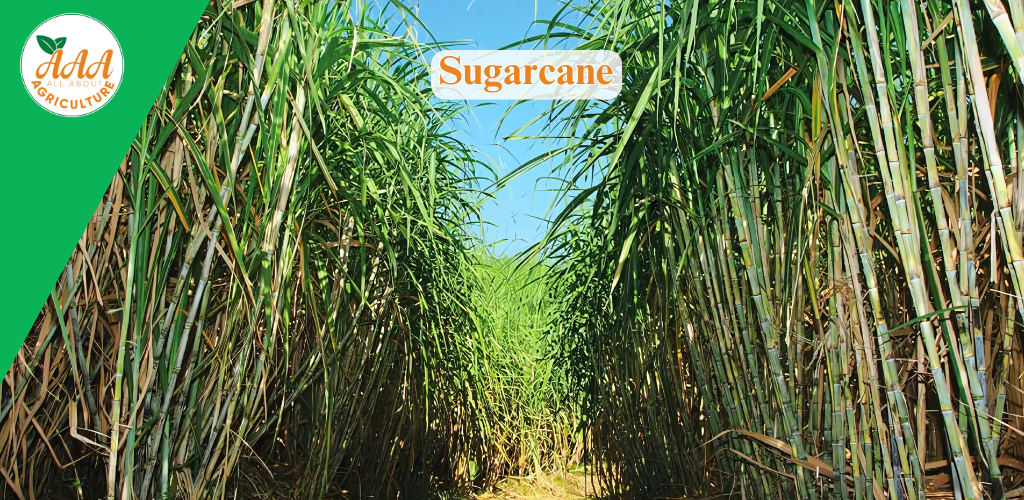
Understanding About Crop
Nutritional Value:
- Sugarcane is not consumed as a staple food but is a source of natural sugars, vitamins (A, B-complex, C), and minerals like calcium, magnesium, and potassium.
- Besides the juice, products like jaggery and molasses add energy and trace nutrients.
- Raw or processed sugarcane provides quick calories, but overconsumption may increase risk of obesity or diabetes.
Dietary Diversity:
- Sugarcane is eaten as a fresh stick, pressed for juice, and converted into sugar, jaggery, and syrups.
- By-products are used in candies, beverages, and traditional medicines across many cultures.
- Some people use sugarcane for fermenting alcohol and vinegar extraction.
Economic Importance:
- Major cash crop for millions, sugarcane supports sugar mills, ethanol plants, jaggery units, and related employment.
- It fuels rural economies by providing raw material for industries, cattle feed, and electricity (bagasse-based power).
- All about agriculture offers market rates, input cost advice, and crop alerts to help maximize returns.
Crop Rotation:
- Sugarcane grows well after pulses, oilseeds, and certain vegetables, which replenish soil nutrients and break pest/disease cycles.
- Rotating with legumes helps restore soil nitrogen and boosts subsequent yields.
- Crop diversity keeps soils fertile and makes sugarcane farming more sustainable.
Climate Resilience:
- Sugarcane is highly adaptable, thriving best in hot, humid climates (20–35°C) with annual rainfall between 1,000–1,500mm.
- Drought-tolerant varieties and irrigation help the crop survive dry spells, while drainage is needed for excess rain.
- It is vulnerable to frost, so best planted in frost-free growing seasons.
Health Benefits and Side Effects:
- Sugarcane juice hydrates, supports digestion, and provides quick energy.
- Consuming too much sugarcane or its products, however, can lead to weight gain and blood sugar spikes.
- Diabetics should be cautious and limit intake.
Key Features
Climate and Soil Requirements
- Sugarcane prefers hot, humid regions with 20–35°C temperature and 1,000–1,500mm rainfall.
- Best grown in deep, well-drained loam or alluvial soils with pH 6.5–7.5; not suitable for saline, alkaline, or waterlogged areas.
- High organic matter and proper nutrient balance (NPK and micronutrients) support hearty crop growth.
- Avoid fields susceptible to flooding or prone to compacted subsoil for better root and cane development.
- Soil testing before planting ensures soil is suitable and helps make fertilization plans.
Land Preparation
- Land must be ploughed deeply (20–30cm), harrowed, and leveled to create a fine seedbed for the stubble or set planting.
- Clearing old crop residues, weeds, and maintaining soil tilth is essential to prevent pest buildup and encourage root spread.
- Add 10–15 tons/ha of well-decomposed cow dung or compost before final land prep for fertility.
- Ridge and furrow systems help with drainage and watering, especially in heavy rainfall areas.
- Level, clean fields allow timely planting and easier cane management.
High-Yielding and Hybrid Seed Selection
- Choose certified, locally recommended varieties like CoC 671, Co 86032, or hybrids for disease resistance and high sucrose content.
- Select healthy, pest-free setts (stem cuttings) of 30–45cm length, containing 2–3 buds for uniform germination.
- Avoid using old or disease-infected planting material to reduce crop failure and maintain yield quality.
- Hybrid or early-maturing types allow more crops per year in tropical zones.
- Sample small plots to select best-suited types for your region before full-scale planting.
Seed Treatment
- Treat sugarcane sets with fungicides (like Bavistin 0.1%) and insecticides (as per local advice) to prevent soil and set-borne infections.
- Hot water treatment at 50°C for 30 minutes can eliminate internal pests and fungal spores.
- Dipping in lime or cow dung suspension before planting encourages healing and protects cut ends.
- Using fresh and treated sets boosts healthy sprouting, reduces early losses, and sets up a good stand for growth.
- Consistently treated sets give better field emergence and lower replanting needs.
Sowing and Planting Methods
- Use the flat, ridge-and-furrow, or trench methods, spacing rows 75–90cm apart and maintaining 15–22cm between sets for air and light movement.
- Optimum planting time is February–April (spring planting) and July–September (autumn planting) depending on region.
- Plant 35,000–45,000 setts/ha for optimal field density and yield potential.
- Cover the set lightly with soil and apply water for quick sprouting and robust establishment.
- Timely and uniform planting ensures even crop maturity and ease of management later.
Nutrient and Fertilizer Management
- Apply organic manure along with 150–250kg N, 60–100kg P2O5, and 100–150kg K2O per hectare depending on soil fertility.
- Split nitrogen into 3–4 doses – at planting, early growth, tillering, and during elongation – to avoid losses and get maximum benefit.
- Supply micronutrients like zinc and iron as foliar feeds when deficiencies show up.
- Regular soil tests and scientific application avoid under and over-fertilization.
- Use green manures and biofertilizers where possible for better soil health.
Irrigation and Water Management
- Sugarcane needs regular and timely irrigation, especially during formative (germination/tillering), grand growth, and ripening phases.
- Avoid waterlogging, as it promotes root disease and reduces cane quality.
- Use furrow, drip, or sprinkler irrigation for water use efficiency and even spread.
- Scheduled irrigation with soil moisture monitoring ensures high cane and sugar yields.
- Stop irrigation close to harvest for higher sugar recovery and easier harvesting.
Intercultural Operations
- Weeding and light hoeing or earthing-up 2–3 times in the early stages reduce weed competition and encourage strong roots.
- Trash mulching and intercropping with legumes can help conserve soil moisture and improve soil fertility.
- Remove dried leaves and tillers to avoid pest buildup and support air circulation.
- Fill plant gaps promptly for uniform crops and maximum yield per area.
- Timely intercultural care keeps the field productive and pest-free.
Pest Management
- Monitor for top borers, early shoot borers, scale insects, termites, and white grubs which damage cane and roots.
- IPM includes crop rotation, seed and field sanitation, pheromone traps, and selective pesticides.
- Introduce or conserve natural enemies like Trichogramma to reduce chemical dependence.
- Keep field edges clean and destroy stubble left over from previous crops to control pests.
- Daily checks during peak pest months prevent outbreaks and safeguard yield.
Disease Management
- Red rot, smut, wilt, and grassy shoot are major diseases – use disease-resistant varieties and nursery hygiene as the first line of defence.
- Remove infected plants and burn residues to stop disease spread.
- Treat sets before planting and practice field rotation with non-host crops.
- Use fungicides judiciously only when required, not routinely.
- Record field history to spot reoccurring problems and adjust crop practices as needed.
Harvesting and Post-Harvest Management
- Harvest when canes are fully mature (typically 10–12 months), leafy tops dry, and juice is sweet and clear.
- Cut close to the ground and remove the green tops for best sugar content.
- Transport quickly to mill or process for jaggery to reduce sugar loss.
- Store canes away from moisture, rodents, and pests until processing.
- Timely harvesting and clean storage improve sugar extraction and reduce wastage.
Other Important Points
- By-products like bagasse are used for energy, while filter press mud can be composted as manure.
- Sugarcane trash can mulch fields or be used for mushroom cultivation and animal bedding.
- Excess sugarcane or products can be harmful for those with diabetes or obesity; enjoy in moderation.
- Check with All about agriculture for schemes, new varieties, and crop advisories for better profits and safety.
Do’s
- Always select and plant fresh, healthy sets.
- Fertilize as per recent soil test reports.
- Water crops regularly, especially in dry periods, and weed on time.
- Rotate crops and keep clear field records for better pest and disease control.
Don'ts
- Don’t plant in waterlogged, saline, or infested fields.
- Don’t overwater or flood; it encourages root diseases.
- Don’t delay weeding or intercultural operations.
- Don’t burn residues without local field recommendations; compost instead.
How can sugarcane by-products be used for extra farm income?
Sugarcane produces bagasse (used for electricity and paper), molasses (for alcohol and cattle feed), and filter mud (as organic fertilizer). Using these by-products creates additional revenue beyond selling just the cane.
What are the signs of nutrient deficiencies in sugarcane fields?
Yellowing leaves, stunted growth, poor cane thickness, and dry edges on leaves often signal shortages of nitrogen, potassium, or magnesium. Regular soil tests and proper fertilization help resolve these issues.
How does trash mulching benefit sugarcane crops?
Leaving cane leaves and tops (trash) on the field as mulch conserves soil moisture, reduces weed growth, and improves soil fertility over time as the material decomposes.
What environmental impacts can sugarcane cultivation have?
Improper water use, chemical overuse, and burning residues can harm soil, water, and air. Practicing efficient irrigation, using organic manure, and recycling cane trash helps protect the environment.
How can farmers control rodent and rat damage in sugarcane fields?
Monitor for burrows, use traps, encourage natural predators (like owls), and avoid leaving cut canes in the field. Proper field hygiene and timely harvesting can prevent large losses.
Can sugarcane be grown organically?
Yes, sugarcane can be cultivated organically by using compost, crop rotations, biopesticides, and natural weed management without chemical fertilizers or pesticides to produce chemical-free cane and jaggery.
Why is ratoon cropping important in sugarcane farming?
Ratoon cropping lets farmers regrow cane from old stubble after harvest, saving on labor and planting costs. However, it needs good management and can sometimes lead to declining yields if not handled well.
How do weather and climate changes affect sugarcane yield?
Extreme weather like drought, floods, and unseasonal rains can lower sugar recovery and stunt cane growth. Growing climate-resilient varieties and timely irrigation can reduce risks.
Can you intercrop vegetables with sugarcane?
Yes, intercropping short-term crops like pulses or vegetables during early cane growth helps use open space, boosts income, and improves soil health without harming cane yield.
What steps should be taken to protect sugarcane harvest from fire?
Create fire breaks, clear dry trash near the fields, harvest on schedule, and avoid burning garbage near cane plantations. Informing the community and safe practices reduce fire risk.
What non-food uses does sugarcane have?
Sugarcane is used for manufacturing ethanol (biofuel), paper, bioplastics, and building materials. These uses add value beyond food and help diversify farm income sources.
Where can updated market prices and support schemes for sugarcane growers be found?
Market prices, government schemes, and cultivation advice are available on our website All about agriculture and at local agriculture departments for timely decision-making.