Tomato
Tomato
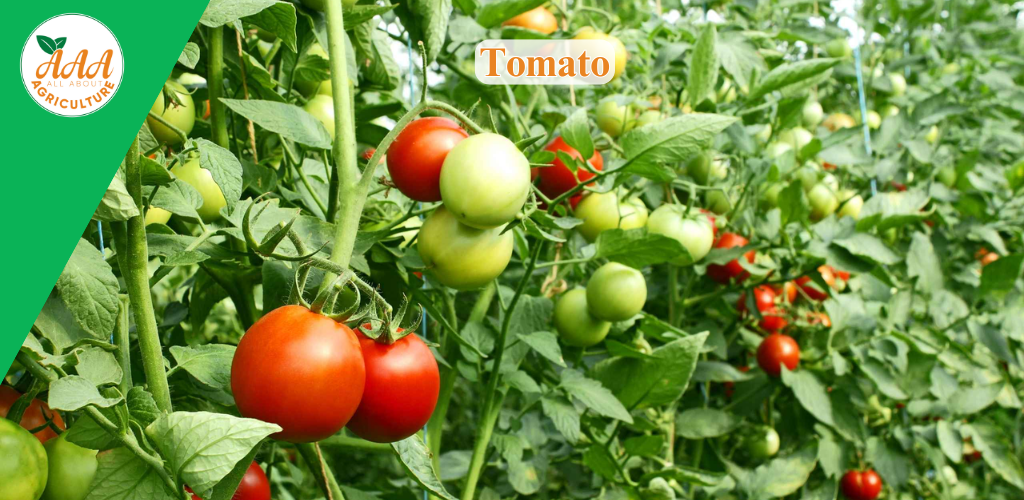
Understanding About Crop
Nutritional Value:
- Tomatoes are rich in vitamins A, C, K, potassium, and antioxidants like lycopene, supporting immunity and heart health.
- They provide low calories and ample dietary fiber, aiding digestion and weight control.
- Lycopene has cancer-preventive properties and protects skin and eyes.
- Raw and cooked tomatoes differ in nutrient bioavailability – both have health benefits.
- Tomatoes contribute to hydration due to high water content.
- Daily consumption supports bone health and reduces inflammation.
- Moderate intake helps regulate blood pressure and cholesterol.
Dietary Diversity:
- Tomatoes are used raw in salads, cooked in sauces, soups, and curries, and processed into ketchup, paste, and juice.
- Different varieties and colors add texture and taste diversity to dishes worldwide.
- Tomato powder and dried slices are used as spices and flavor enhancers.
- Unripe tomatoes are cooked or pickled in some cuisines.
- Juice blends with other vegetables for functional beverages.
- Tomato leaves and stems are non-edible but sometimes used for flavor in traditional dishes.
- Tomato-based ready-to-eat snacks and soups contribute to fast food diversity.
Economic Importance:
- Tomatoes are a major commercial vegetable, providing income to millions of small and large farmers.
- Processing industries produce paste, puree, sauces, and canned products, generating employment.
- Market demand for fresh and processed tomatoes is consistently high locally and internationally.
- All about agriculture provides market trends, pricing updates, and agronomy guidance for higher profitability.
- Exporting processed tomato products adds foreign exchange to national economies.
- Crop diversification including tomatoes stabilizes farm income and employment.
- Tomato waste is often used to produce bio-energy or organic fertilizers.
Crop Rotation:
- Tomatoes rotate well with cereals, legumes, and root crops to break pest and disease cycles.
- Rotating crops improves soil fertility and organic content.
- Rotation helps prevent build-up of nematodes, fungal pathogens, and bacterial diseases.
- Crop diversity supports healthy soil microflora and reduces chemical use.
- Proper planning maximizes land productivity year-round.
- Rotation reduces nutrient depletion, especially phosphorus and potassium.
- It lowers disease pressure, requiring fewer chemical inputs.
Climate Resilience:
- Tomatoes grow best in moderate climates (18–27°C) with adequate sunlight and humidity.
- Temperatures above 30°C stress flowering and reduce fruit set.
- Cool nights promote better color development and flavor.
- Tomatoes require about 600–800 mm rainfall or irrigation in well-drained soils.
- Mulching and shading help manage heat and moisture stress.
- Climate-smart varieties tolerate drought, heat, and some diseases better.
- Timely planting avoids extreme weather damage and improves yield stability.
Health Benefits:
- Tomatoes support cardiovascular health by lowering cholesterol and blood pressure.
- High antioxidant content reduces oxidative stress and inflammation.
- Lycopene consumption may lower cancer risk, especially prostate cancer.
- Vitamins A and C boost immune function and skin health.
- Dietary fiber aids digestive health and blood sugar control.
- Tomatoes support weight management due to low calorie and high water content.
- Some persons may be allergic, showing skin or digestive reactions.
Key Features
Climate and Soil Requirements
- Tomatoes prefer temperatures between 18–27°C; optimal fruit set occurs below 30°C.
- Require moderate humidity and 600–800 mm well-distributed annual rainfall or irrigation.
- Favor well-drained sandy loam to clay loam soils with pH 6.0–7.0 for nutrient availability.
- Avoid waterlogged or heavy clay soils prone to root diseases.
- Good sunlight exposure (6+ hours/day) promotes flowering and fruit ripening.
- Partial shade helps seedlings in hot conditions.
- Soil organic matter improves water retention and fertility.
- Proper drainage prevents fungal diseases like root rot.
- Soil testing guides nutrient management for site suitability.
Land Preparation
- Clear previous crop residues, weeds, and rocks from fields.
- Deep plough (20–25 cm) or rotary till for loose, friable soil aiding root spread.
- Incorporate well-rotted organic matter (3–5 tons/ha) to boost fertility and moisture.
- Create raised beds or ridges for drainage and root health.
- Level fields to ensure uniform irrigation and plant establishment.
- Avoid soil compaction and clods that hinder seedling growth.
- Remove stones and debris preventing physical injuries.
- Implement contour planting on slopes to prevent erosion.
- Good land preparation enhances seed germination and crop uniformity.
High-Yielding and Hybrid Seed Selection
- Use certified seed varieties suited for local climate and market (e.g., Pusa Ruby, Arka Rakshak).
- Hybrids yield more uniform fruit size, earlier maturity, and better disease resistance.
- Seeds should have >85% germination and no damage or fungal infection signs.
- Avoid using saved seeds repeatedly to prevent genetic drift and disease.
- Choose seeds based on consumer preferences for color (red, yellow), size, and taste.
- Purchase seeds from reliable suppliers or research institutions.
- Store seeds in cool, dry conditions to preserve viability.
- Assess seed performance through trial plots before large scale planting.
- Maintain records of seed lots and batch performance.
Seed Treatment
- Treat seeds with fungicides like Captan or Thiram at 2–3g/kg seed to prevent damping-off and seed-borne diseases.
- Soak seeds in water 8–10 hours before drying to improve germination.
- Employ biocontrol agents as eco-friendly seed treatment alternatives.
- Maintain nursery bed cleanliness and stable moisture to reduce fungal outbreaks.
- Use insecticides in nurseries to prevent pest damage on seedlings.
- Use personal protective equipment (PPE) during chemical handling for safety.
- Store treated seeds in shade and plant promptly.
- Monitor seedling health regularly.
- Avoid mixing treated seeds with untreated leading to uneven emergence.
Sowing and Planting Methods
- Raise seedlings in nurseries for 6-8 weeks before transplanting to the main field.
- Sow seeds 0.5-1 cm deep with proper spacing for uniform germination.
- Transplant seedlings when 20-25 cm tall, at 45-60 cm between plants and 60-90 cm between rows.
- Plant at the onset of the rainy season or irrigate to ensure soil moisture for establishment.
- Harden seedlings by reducing water 5-7 days before transplant to reduce transplant shock.
- Water immediately after transplanting to aid root establishment.
- Mulch transplants to conserve moisture, reduce weeds and moderate temperature.
- Fill gaps timely to maintain a uniform plant population.
- Use appropriate tools for planting to avoid seedling injury.
Nutrient and Fertilizer Management
- Apply farmyard manure or compost 3-5 tons/ha before transplanting.
- Fertilizer recommendation: 150 kg N, 70 kg P2O5, 100 kg K2O per hectare split over four stages.
- First dose at transplant, followed by top dressings during vegetative, flowering, and fruiting phases.
- Foliar application of micronutrients like boron and zinc improves fruit quality.
- Balanced fertilization influences fruit size, yield, shelf life, and disease resistance.
- Avoid excessive nitrogen leading to leafy growth with fewer fruits.
- Soil testing helps tailor nutrient management and avoid over-fertilization.
- Use slow-release fertilizers for sustained nutrient availability.
- Incorporate organic residues to maintain soil microbial activity.
Irrigation and Water Management
- Tomatoes require 600–800mm water evenly throughout crop growth, critical during flowering and fruiting.
- Drip irrigation optimizes water use and reduces fungal disease incidence.
- Avoid waterlogging to prevent root rot and reduced oxygen uptake.
- Mulching conserves soil moisture and controls temperature fluctuations.
- Irrigate early morning or late evening to reduce evaporation.
- Water stress during flowering causes flower drop and reduced yield.
- Adjust irrigation with soil moisture sensors or visual inspection.
- Rainwater harvesting can supplement water needs sustainably.
- Proper scheduling maximizes water efficiency and crop output.
Intercultural Operations
- Frequent hand weeding to reduce competition for nutrients and moisture.
- Thin seedlings require spacing for better air circulation and bulb development.
- Shallow hoeing and earthing-up protect roots and enhance growth.
- Remove diseased or damaged shoots to hinder pest and disease spread.
- Mulch and cover crops aid moisture retention and soil health.
- Timely intercultural operations reduce pest habitats improving overall plant vigor.
- Monitor crop and adjust care during flowering and fruit set.
- Maintain clean tools and equipment to avoid contamination.
- Employ crop rotation for sustained soil fertility and pest control.
Pest Management
- Common pests include aphids, whiteflies, armyworms, thrips, and bollworms attacking various plant parts.
- Employ Integrated Pest Management combining cultural, biological, and chemical controls.
- Use pheromone and sticky traps for monitoring and early detection.
- Release beneficial insects (ladybugs, lacewings) to suppress pest populations naturally.
- Apply pesticides only when necessary following economic thresholds to avoid resistance.
- Rotate pesticide classes and use biopesticides to minimize environmental impact.
- Maintain field sanitation and remove infested debris.
- Use resistant varieties to reduce pest vulnerability.
- Educate workers on pest identification and safe pesticide use.
Disease Management
- Diseases like early blight, late blight, fusarium wilt, and bacterial spot affect yield and quality.
- Use certified seeds, resistant varieties, and rotation to minimize disease pressure.
- Monitor symptoms and treat with appropriate fungicides or bactericides timely.
- Avoid overhead irrigation to reduce leaf wetness and fungal infection.
- Remove and destroy infected plant material promptly.
- Maintain proper plant spacing for air circulation.
- Practice nursery sanitation and seed treatment rigorously.
- Keep records of disease occurrences to improve management strategies.
- Use biofungicides where possible to promote eco-friendly production.
Harvesting and Post-Harvest Management
- Harvest tomatoes at full color and firmness depending on variety and market requirement.
- Handle fruits gently to avoid bruising and quality degradation.
- Use clean containers and shade transport to preserve freshness.
- Store tomatoes at 10–15°C with proper ventilation to prolong shelf life.
- Process immediately for value-added products like puree and juice to reduce losses.
- Sort and grade fruits before marketing to attract premium prices.
- Avoid exposure to ethylene-producing fruits to delay over-ripening.
- Use cold storage for extended availability when possible.
- Follow hygiene practices in post-harvest handling to prevent contamination.
Other Important Points
- Tomatoes support nutrient-rich diets and livelihood diversification in farming communities.
- Excessive consumption may cause digestive discomfort in sensitive people.
- Crop residues can improve soil when composted.
- Stay updated on new traits, pest alerts, and prices via All about agriculture website.
Do’s
-
Use certified hybrid/foundation seeds for good yields.
-
Practice balanced fertilization and efficient irrigation.
-
Regularly scout and control pests and diseases promptly.
-
Harden seedlings before transplanting and maintain mulching.
Don'ts
-
Don’t sow seeds too deep or overcrowd plants.
-
Don’t over-irrigate or allow waterlogging.
-
Don’t overuse pesticides or ignore safety guidelines.
-
Don’t delay harvesting to avoid fruit cracking and loss.
How can farmers prevent fruit cracking in tomatoes?
Fruit cracking occurs due to irregular watering or sudden rainfall after drought. Maintaining consistent soil moisture and mulching reduces cracking, improving marketability.
What are the best organic fertilizers for tomato cultivation?
Compost, vermicompost, and green manures supply nutrients naturally, improve soil structure, and enhance microbial activity, leading to healthier tomato plants.
How does staking support tomato plants?
Staking keeps plants upright, improves air circulation, reduces disease incidence, makes harvesting easier, and helps maximize sunlight exposure for fruits.
What are effective natural remedies for tomato pest control?
Neem oil, garlic extracts, and soapy water spray deter pests like aphids and whiteflies without harmful chemicals, promoting sustainable farming.
How does pruning improve tomato yield and quality?
Removing suckers and excess foliage directs plant energy toward fruit development, improves airflow, and reduces fungal disease risks.
What are the signs of nutrient deficiency in tomato plants?
Yellowing leaves, leaf curl, poor fruit set, or blossom drop signal deficiencies. Balanced fertilization and timely foliar feeds correct these issues.
How can crop rotation help reduce tomato diseases?
Rotating tomatoes with cereals or legumes breaks pest/disease cycles like wilt and blight, improving soil health and reducing chemical dependence.
What storage conditions preserve tomato freshness?
Store at 10–15°C with 85-90% humidity, away from direct sunlight and ethylene-producing fruits, to extend shelf life and prevent spoilage.
What is the role of mulching in tomato farming?
Mulching conserves moisture, reduces weed growth, maintains soil temperature, and prevents soil-borne diseases by limiting splash from rain or irrigation.
Can tomatoes be grown in containers at home?
Yes, using proper soil mix, adequate watering, and sunlight, container-grown tomatoes can yield fresh fruits for household use.
How do greenhouse tomatoes differ from open-field tomatoes?
Greenhouse tomatoes benefit from a controlled environment, higher yields, off-season production, but require more investment and management.
Where can farmers find guidance on latest tomato varieties and prices?
Reliable sources including our website All about agriculture provide up-to-date information on varieties, pest control, and market trends.