World Rhino Day 2025: Protecting Wildlife in Farming Landscapes
World Rhino Day 2025: Protecting Wildlife in Farming Landscapes
Introduction
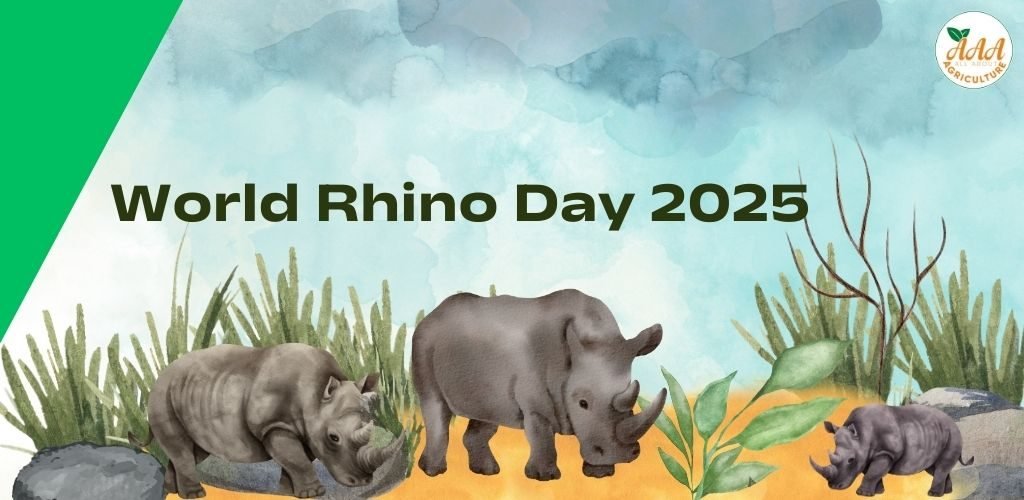
On September 22, 2025, people around the world – especially those in farming communities – will observe World Rhino Day, a day meant to remind us of the urgent need for both rhino conservation in agriculture and biodiversity in farming landscapes. This special date highlights not just protecting wildlife, but also keeping farmlands healthy for better food and income. World Rhino Day is about raising endangered species awareness, teaching how biodiversity supports agricultural crops, and showing farmers real ways to protect rhinos while improving their own livelihoods through sustainable farming practices.
For Indian farmers, the link between conservation and farmers is stronger than ever. With rhino habitat protection efforts in places like Kaziranga National Park and community-driven biodiversity initiatives in agriculture, it is clear that protecting wildlife is deeply tied to things like food security, better pest management, and climate resilience in agricultural landscapes. Indian rhino protection, Project Rhino India activities, and government wildlife schemes for farmers are making it easier for rural communities to find human-wildlife conflict solutions and adopt wildlife-friendly agriculture.
This year, as we reflect on World Rhino Day 2025’s theme, the importance of World Rhino Day for farmers goes far beyond saving an endangered animal. It’s about linking World Rhino Day and food security, sharing rhino protection schemes for Indian farmers, and spreading environmental education for rural communities. From rhino population statistics in India to agro-ecological practices to save endangered species, everyone – farmers, citizens, and local leaders – can play a role. By understanding the wildlife conservation impact on rural livelihoods and learning the role of farmers in wildlife preservation, we can build a future where conservation programs for rhino habitats in India and eco-friendly pest management support both people and nature.
Why World Rhino Day Matters for Agriculture
World Rhino Day is more than just a day to protect rhinos; it reminds us of the vital connection between rhino conservation in agriculture and biodiversity in farming landscapes. Rhinos play an important role in maintaining healthy soil and natural water cycles, which directly affect crop productivity. Without rhino habitat protection, the balance in these ecosystems can be lost, harming the crops and farmers who depend on them. This is why sustainable farming practices that include protecting wildlife like rhinos are crucial for keeping our lands fertile and productive. When biodiversity thrives, it reduces pests naturally and helps with pollination, making farming easier and more profitable.
In many parts of India, especially near Kaziranga National Park, Project Rhino India activities show us how conservation programs for rhino habitats can also support farmers. These programs work as a bridge between farming and wildlife protection, helping reduce conflicts between humans and rhinos. Rhino poaching and farmer initiatives have made progress together by involving local communities in protecting both the animals and the farmland. Farmers see firsthand how wildlife-friendly agriculture and community-driven biodiversity initiatives in agriculture benefit their crops and livelihoods. Governments are also supporting this by offering rhino protection schemes for Indian farmers, showing the importance of World Rhino Day for farmers across the country.
Global Importance and the Day’s Message
World Rhino Day is observed globally and highlights the urgent need to save rhinos from extinction while promoting wildlife conservation impact on rural livelihoods. Across continents, international partnerships and government schemes like those in South Africa and India have shown success in rhino conservation. These initiatives teach Indian farmers valuable lessons from real-world examples in places like Africa and Asia. Understanding rhino population statistics in India and worldwide helps farmers connect the dots between protecting rhinos and protecting their own farming futures. The day spreads endangered species awareness, urging communities to join in and understand that the health of rhinos and farming landscapes are linked.
This global effort is about more than just animals – it’s about maintaining climate resilience in agricultural landscapes. When habitats shrink or degrade, farmers face challenges like poor soil and water shortages. Rhino conservation in agriculture encourages environmental education for rural communities, helping them see how balanced ecosystems can protect crops from drought, floods, and disease. The message is clear: protecting rhinos means protecting farming, food security, and the environment together.
Specific Relevance to Farmers and Crops
Losing wildlife habitats near farms can lead to lower crop yields and harsher climate effects over time. In Assam’s Kaziranga National Park, farmers living close to rhino habitats often see both the benefits and challenges of wildlife nearby. Thanks to ongoing community-driven biodiversity initiatives in agriculture, traditional farming knowledge combined with modern conservation helps farmers work with nature instead of against it. Some farmers already practice wetland management and maintain buffer zones to protect fields from wildlife damage, which also benefits the rhinos.
- Using agro-ecological practices to save endangered species promotes healthier crops.
- Wildlife-friendly agriculture reduces dependency on chemicals, helping soil and water stay clean.
These small actions improve both farming and rhino protection in the long run.
Link to Food Security and Climate Safety
Balanced ecosystems supported by biodiversity in farming landscapes act like natural buffers, protecting farms from floods, droughts, and pests. World Rhino Day reminds us how vital these ecosystems are for rural agriculture and how the loss of wildlife threatens food security. Wildlife corridors allow animals and plants to move and thrive, which helps keep crop production stable. When climate change worsens, the importance of rhino habitat protection grows, as these areas help regulate water and soil quality, directly benefiting farmers.
- Wildlife conservation impact on rural livelihoods includes more reliable harvests and steady incomes.
- Protecting farming landscapes from habitat loss reduces risks of food price spikes.
- Eco-friendly pest management as part of sustainable farming practices keeps crops healthy without harming rhinos.
World Rhino Day 2025 Theme and Its Farming Impact
Though the official World Rhino Day 2025 theme is yet to be announced, past themes like “Keep the Five Alive” focus on habitat preservation and community involvement. This year likely continues the focus on rhino habitat protection and partnerships that strengthen conservation and farmers alike. Challenges such as agrochemical spillovers or land encroachment affect both rhinos and farms, calling for careful management.
- Farmers can expect more awareness around the impact of water and soil quality on rhino survival.
- Human-wildlife conflict solutions are critical as farms expand near protected areas.
- Government wildlife schemes for farmers encourage better farming methods that also protect rhinos.
Key Lessons for Farmers from World Rhino Day
Farmers can take simple, practical steps to help protect rhinos and improve their crops. Reducing chemical use, protecting field edges, and reporting wildlife sightings are effective ways to support conservation. Combining traditional farming methods like crop rotation with modern agri-tech such as smart irrigation boosts both yields and sustainability. Awareness on World Rhino Day helps farmers face tough seasons with better knowledge and tools.
- Use eco-friendly pest management to support rhinos and soil health.
- Join community efforts to create safer spaces for both wildlife and farms.
- Support conservation and farmers by spreading endangered species awareness locally.
Role of Technology and Awareness in Agriculture
Technology is playing a new role in linking rhino conservation with farming success. Drones help monitor wildlife, while IoT irrigation keeps water use efficient near protected habitats. Water sensors in reserves alert farmers about changes, helping them adjust practices in time. Awareness programs teach farmers why these smart tools and sustainable farming practices matter. Government schemes and village workshops offer training on how to better protect rhino habitats and farm lands.
What Farmers and Citizens Can Do to Support World Rhino Day
Everyone, from farmers to city dwellers, can help protect rhinos and biodiversity in farming landscapes. Community participation through patrolling protected areas, adopting wetlands, and wildlife education for children builds lasting conservation efforts. Small changes like planting cover crops, creating hedgerows, and reducing waste help maintain balanced ecosystems. Farmers benefit from government collaboration through schemes and microloans that promote wildlife-friendly agriculture.
By joining hands, farmers and citizens can make a big difference in protecting rhinos and sustaining farming livelihoods for future generations. World Rhino Day is a powerful reminder that saving wildlife means saving farming too.
Conclusion / Summary
World Rhino Day is much more than a reminder to save one of nature’s largest mammals – it is a call to protect the very biodiversity that supports farming landscapes and rural livelihoods. Every September 22, communities across the globe come together to focus not only on rhino conservation but also on how these efforts sustain healthy soils, balanced water cycles, and natural pest control that directly benefit farmers. By protecting rhino habitats and practicing wildlife-friendly agriculture, farmers help ensure their crops grow stronger and food security improves over time.
The day highlights how important rhino conservation in agriculture is for climate resilience and sustainable farming practices. Indian rhino protection projects, such as those at Kaziranga National Park and through Project Rhino India activities, demonstrate how local efforts can reduce human-wildlife conflicts and create harmony between conservation and farmers. Government wildlife schemes for farmers and community-driven biodiversity initiatives show that everyone can join hands to build greener, more productive farming spaces.
Key takeaways for farmers and communities:
- Protecting wildlife creates stable, healthy farming environments
- Biodiversity helps reduce pests and improves crop pollination naturally
- Sustainable farming practices boost farm incomes and reduce costs
- Every small step toward conservation adds up to a stronger community impact
Explore detailed information and the full suite of programmes at ALL ABOUT AGRICULTURE. For one-on-one assistance, call us at +91 8484002620.
What is World Rhino Day and why is it important for farmers?
World Rhino Day, held every September 22, raises awareness about rhino conservation and biodiversity in farming landscapes. It highlights how protecting wildlife benefits crop health and farmers’ livelihoods. For more details and farming tips, visit ALL ABOUT AGRICULTURE.
How does biodiversity support farming and crop production?
Biodiversity helps control pests naturally, improves pollination, and maintains healthy soil and water cycles crucial for crops. Supporting wildlife on farms creates a balanced ecosystem that enhances yields and resilience.
Why should farmers care about rhino protection?
Rhino habitat protection ensures balanced ecosystems that directly impact water quality, soil health, and pest control – all vital to successful farming. When farmers protect rhinos, they also protect their farmlands.
Are there government schemes for farmers to support wildlife conservation?
Yes, several programs offer financial and technical help for sustainable farming and rhino conservation. These schemes encourage wildlife-friendly agriculture, which benefits farmers and the environment alike. Check ALL ABOUT AGRICULTURE for updates.
What are practical ways farmers can protect wildlife on their land?
Farmers can create buffer zones, reduce chemical use, maintain wetlands, and support community conservation efforts. These small steps help protect endangered species and improve farm sustainability.
How do human-wildlife conflicts affect farming communities?
Sometimes wildlife damages crops or livestock, which can hurt farmers. But education, better land planning, and community involvement reduce these conflicts, balancing conservation and farming needs.
What role does technology play in wildlife-friendly agriculture?
Modern tools like drones, IoT sensors, and smart irrigation help monitor wildlife and optimize water use. Technology aids farmers in protecting habitats while improving crop productivity.
Can traditional farming practices help rhino conservation?
Yes, methods like crop rotation, mixed cropping, and organic pest control support biodiversity and create safe spaces for wildlife. Combining tradition with modern conservation boosts farm health and rhino protection.
How does protecting rhinos relate to climate change and food security?
Rhino habitats often overlap with important farming landscapes that help stabilize water and soil. Protecting these areas improves climate resilience and ensures steady food supplies.
What are successful examples of community conservation near farms?
Places like Kaziranga National Park show how community-driven biodiversity initiatives protect rhinos and support local farmers. These projects offer useful lessons worldwide.
Where can farmers learn more about wildlife-friendly farming?
ALL ABOUT AGRICULTURE offers rich resources, guidance, and updates on combining farming with conservation to sustain both livelihoods and wildlife.
How can small farmers get involved in rhino conservation efforts?
Smallholders can join local awareness programs, report poaching, adopt eco-friendly pest management, and participate in government schemes promoting sustainable agriculture. Visit ALL ABOUT AGRICULTURE for detailed support.