Pulses
Pulses – Protein-Rich Crops for Healthy Living
Pulses are a very important group of crops grown worldwide. They include beans, lentils, peas, chickpeas, and other dry seeds from leguminous plants. Pulses provide high protein, fiber, vitamins, and minerals needed for a healthy diet. At All about agriculture, we explain how pulses help farmers grow nutritious food and improve soil health naturally. Here you will learn the basics and farming steps to grow pulses well.
What is Pulses Cropping?
Pulses cropping means growing these protein-rich seeds in a planned and careful way for a good harvest. The process includes several key steps:
- Seed Selection: Choose good quality seeds that germinate well and resist pests.
- Land Preparation: Prepare soil by ploughing and leveling to create good growing conditions.
- Planting: Sow seeds in rows with enough space so plants can grow healthy.
- Irrigation: Provide water at important growth stages, especially flowering and pod formation.
- Fertilization: Pulses can fix nitrogen from air, so less chemical fertilizer is needed, but organic matter may help.
- Pest and Disease Management: Use natural and integrated methods to control pests and diseases.
- Harvesting: Collect pulses when pods dry and seeds mature to avoid losses.
- Storage: Dry and store pulses properly to keep them safe and fresh.
Using these steps helps farmers get better yields and high-quality pulses crops.
Nutrition from Pulses
Pulses are rich in protein, which is important for muscle growth and repair. They are also a good source of fiber, vitamins like folic acid, and minerals like iron and zinc. Eating pulses regularly supports overall health and reduces the risk of some diseases. At All about agriculture, we help you understand the nutritional value and uses of pulses in everyday meals.
Types of Pulses
- Beans: Kidney beans, black beans, and others used in cooking.
- Lentils: Small pulses like red and green lentils.
- Peas: Green peas and dry peas.
- Chickpeas: Used in many dishes worldwide.
- Others: Pigeon pea, cowpea, and mung beans.
Each type has its own climate and soil needs, covered in detail on our website.
Major Pulse Producing Countries
India leads the world in pulse production, followed by China and Canada. These countries grow millions of tons of pulses to feed their populations and earn income by export. At All about agriculture, you can learn how geographic and weather conditions affect pulse growth worldwide.
Benefits of Pulse Production
- Pulses add protein to food, crucial for health.
- They improve soil fertility by fixing nitrogen naturally.
- Pulses help prevent soil erosion and keep the land healthy.
- Growing pulses supports farmers’ income and food diversity.
- Pulses have a low environmental impact compared to many other crops.
Challenges in Pulse Farming
- Climate change affects rain patterns and crop growth.
- Pests and diseases can damage plants and reduce yields.
- Maintaining soil health is important but can be difficult.
- Farmers sometimes face problems getting good seeds and inputs.
- Market prices can fluctuate and affect profits.
Our All about agriculture platform offers advice on tackling these problems safely and effectively.
Future Prospects
With rising demand for healthy foods, pulses have a bright future. New research is developing stronger varieties that resist pests and withstand changing climates. Sustainable farming methods, like crop rotation and organic practices, will help farmers grow pulses efficiently and protect the environment. For updated tips and detailed guides, All about agriculture remains your trusted resource. [/expander_maker]
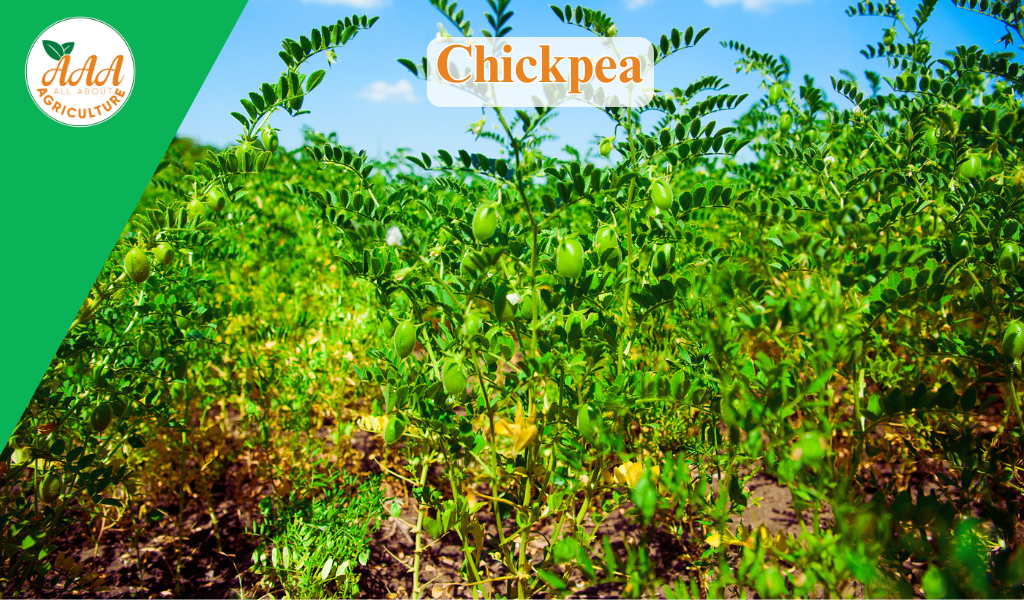
ChickPea
Chickpeas are high in protein. The chickpea is a key ingredient in Mediterranean and Middle Eastern cuisines, used in hummus, and, when soaked and coarsely ground with herbs and spices then made into patties and fried, falafel. As an important part of Indian cuisine, it is used in salads, soups and stews, and curry, in chana masala, and in other food products that contain channa (chickpeas). In 2022, India accounted for 75% of global chickpea production.
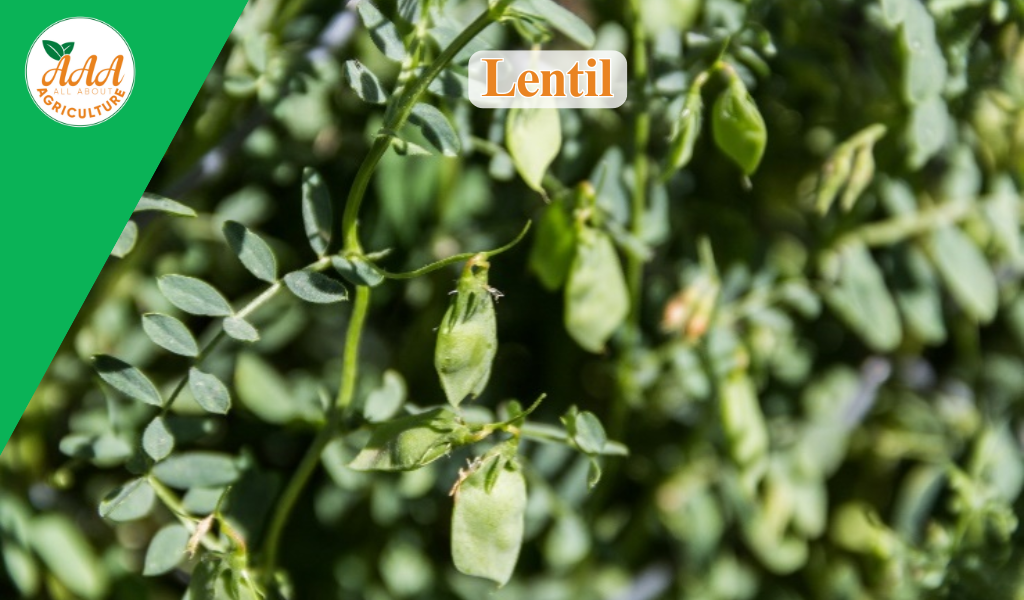
Lentil
Lentils (Lens culinaris) are one of the most nutritious and profitable pulse crops, known for their protein-rich content and soil-enriching properties. With advanced scientific production techniques, farmers can achieve higher yields, better quality, and sustainable farming practices.
Key Steps for Profitable Lentil Cultivation
Ideal Climate & Soil Conditions
Temperature: 18-25°C – Prefers cool weather for optimal growth
Soil Type: Well-drained loamy or clay loam soil (pH 6.0-7.5)
Low water requirement – Drought-tolerant and ideal for dryland farming
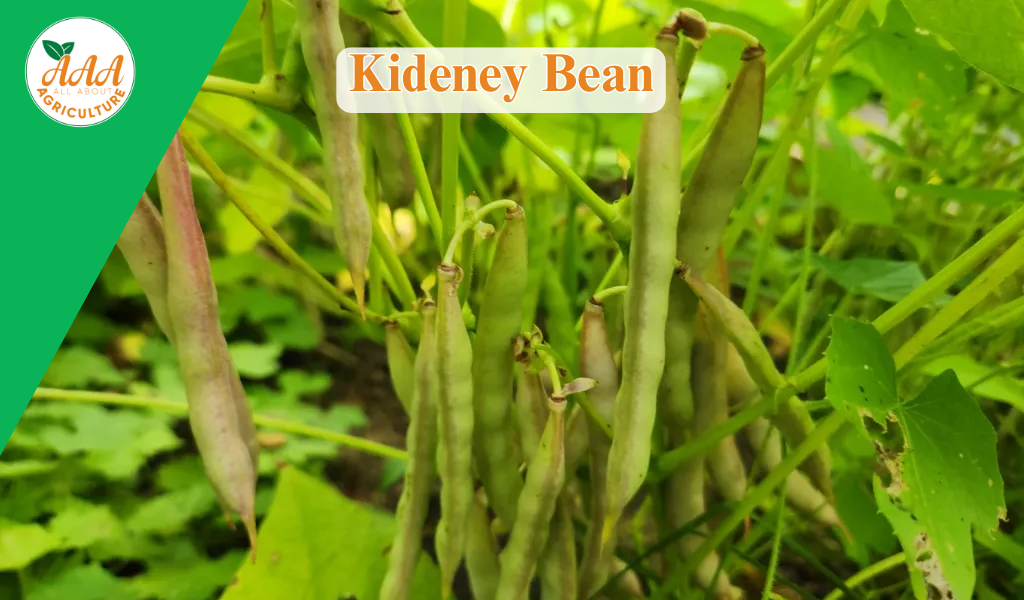
Kidney Bean
Kidney beans (Phaseolus vulgaris), also known as Rajma, are a protein-rich, high-value legume crop, widely grown for their nutritional and commercial importance. With scientific cultivation practices, farmers can achieve higher yields, better quality, and increased profitability.
Key Steps for Profitable Kidney Bean Cultivation
Ideal Climate & Soil Conditions
Temperature: 15-25°C – Prefers moderate temperatures for healthy growth
Soil Type: Well-drained loamy soil with high organic content (pH 6.0-7.5)
Water Requirement: Requires moderate irrigation at key growth stages
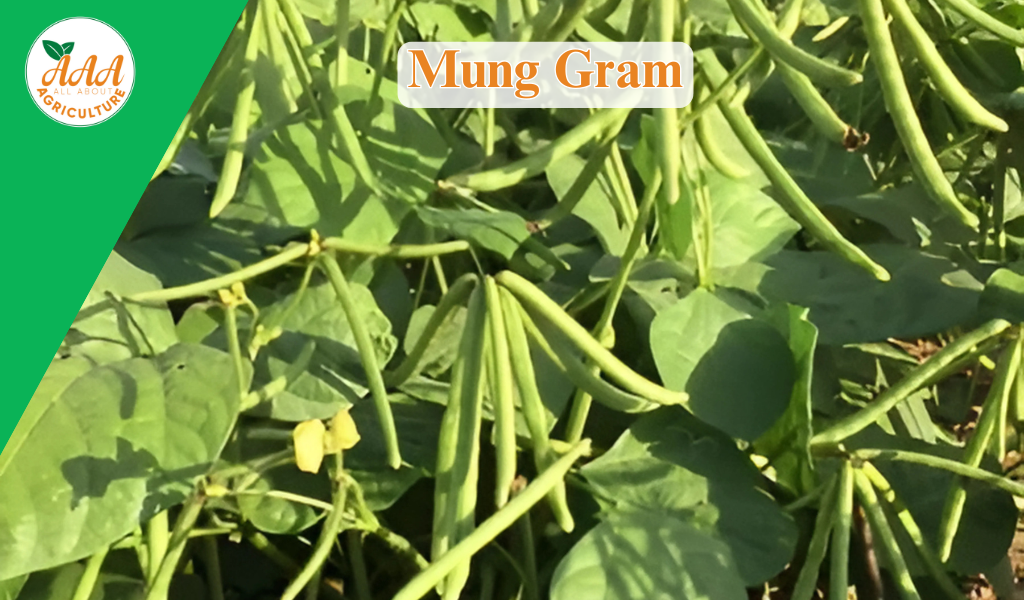
Mung Bean
Mung beans (Vigna radiata), also known as Green Gram, are a protein-rich, fast-growing pulse crop widely cultivated for their nutritional and commercial value. With the right scientific techniques and smart farming practices, farmers can achieve higher yields, better quality, and sustainable production.
Key Steps for Profitable Mung Bean Cultivation
Ideal Climate & Soil Conditions
Temperature: 25-35°C – Thrives in warm, tropical climates
Soil Type: Well-drained sandy loam to loamy soil (pH 6.0-7.5)
Water Requirement: Drought-tolerant, but needs light irrigation at key stages
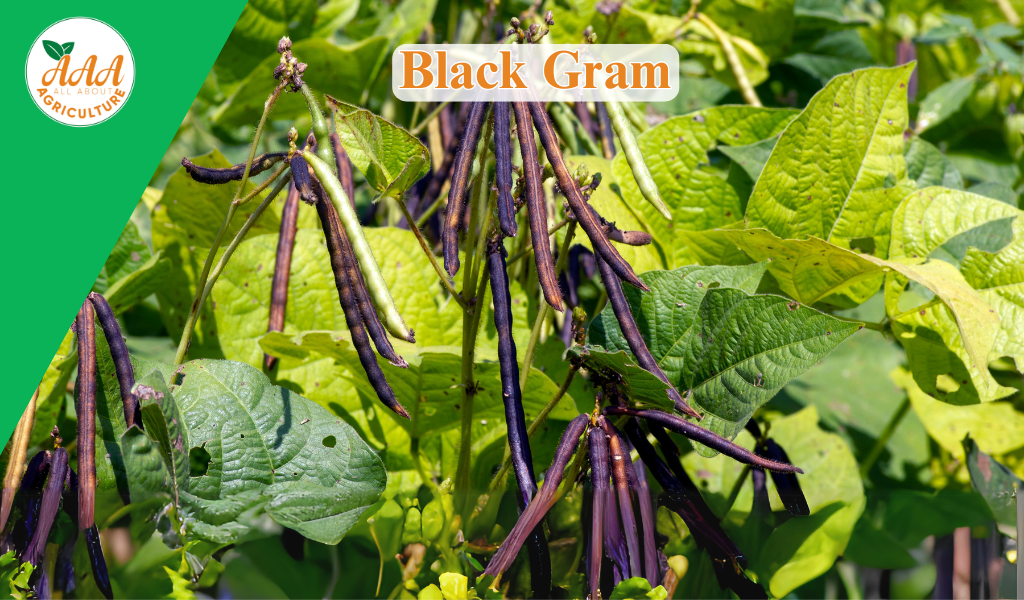
Black Gram
Black gram (Vigna mungo), also known as Urad Dal, is a high-protein, nitrogen-fixing legume that plays a crucial role in sustainable farming. With modern production techniques and scientific management, farmers can achieve higher yields, better quality, and improved profitability.
Key Steps for Profitable Black Gram Cultivation
Ideal Climate & Soil Conditions
Temperature: 25-35°C – Requires warm and dry conditions
Soil Type: Well-drained sandy loam to clay loam soil (pH 6.0-7.5)
Water Requirement: Drought-tolerant, but needs light irrigation at key stages
Frequently Asked Questions
What soil types are best suited for growing pulses?
Pulses grow well in well-drained loamy or sandy soils with good aeration. Avoid heavy clay soils that retain water, as pulses prefer soils that do not stay waterlogged for long.
How do pulses contribute to sustainable farming?
Pulses fix nitrogen from the air into the soil, improving fertility naturally. This reduces the need for chemical fertilizers and helps maintain healthy soil for future crops.
What are some common pests that affect pulse crops?
Common pests include pod borers, aphids, and leaf miners. Farmers can control them using natural predators, crop rotation, and organic pesticides to reduce chemical use.
Can pulses be grown in dry or semi-arid regions?
Yes, many pulses such as chickpeas and lentils are drought-tolerant and thrive in dry climates, making them suitable for rainfed and less fertile areas.
What role do pulses play in crop rotation systems?
Including pulses in rotation breaks pest and disease cycles and enhances soil nitrogen, leading to better yields for subsequent crops.
How important is irrigation for pulse crops?
Though pulses need less water than many crops, irrigation during flowering and pod formation is crucial for good yields, especially in dry areas.
What are the major pulse-producing states in India?
States like Madhya Pradesh, Maharashtra, Rajasthan, Uttar Pradesh, and Karnataka lead in pulse production due to suitable climate and soil.
What equipment can small farmers use for pulse cultivation?
Basic tools like plows, seed drills, and hand weeders help prepare land and sow seeds efficiently, while improved storage methods reduce post-harvest losses.
How can farmers improve the shelf life of harvested pulses?
Proper drying, storing in airtight containers, and keeping pulses in cool, dry places helps protect from pests and spoilage.
Why is seed treatment important before sowing pulses?
Treating seeds with biofertilizers or safe pesticides prevents seed-borne diseases and improves germination, ensuring healthy crop growth.
Can pulses help in mitigating climate change?
Yes, pulses require less water and fertilizer, produce fewer greenhouse gases, and help sequester carbon in soil, making them climate-friendly crops.
How does All about agriculture support pulse farmers?
All about agriculture offers practical guides, latest farming techniques, and expert advice on pest control, irrigation, and post-harvest management for pulses.