What is Farm Mechanization?
Farm mechanization means using machines and modern tools to make farming work faster, easier, and more productive. It helps farmers reduce manual labor and complete big tasks like plowing, sowing, irrigation, and harvesting in less time.
Under farm mechanization, important areas include soil conservation, irrigation technology, and harvesting & post-harvest management. Each of these plays a key role in improving crop quality and saving time on the farm. We also have detailed pages for every topic, where you can find complete and practical information about each one.
Tractor Use in Agriculture: Importance, Benefits & Technical Handling
Tractors play a crucial role in modern agriculture, significantly improving efficiency, reducing manual labor, and enabling large-scale farming. They are used for plowing, harrowing, sowing, spraying, harvesting, and transportation, making them indispensable for farmers.
Importance of Tractors in Agriculture
- Enhanced Efficiency – Tractors speed up agricultural processes, reducing labor costs.
- Versatile Operations – Suitable for multiple farming tasks like tilling, planting, irrigation, and harvesting.
- Precision Farming – GPS-enabled tractors improve accuracy, reducing wastage of seeds and fertilizers.
- Cost-Effective – Reduces dependency on labor while increasing productivity.
- Soil Health Management – Advanced implements prevent excessive soil erosion.
- Weather Adaptability – Tractors allow farming in different climatic conditions with specialized attachments.
- Sustainable Farming – New electric and hybrid tractors reduce carbon footprints.


- Check engine oil, coolant, and hydraulic fluid levels.
- Inspect tire pressure and tread condition.
- Ensure brakes, steering, and lights are functioning properly.
- Check hydraulic system for leaks or malfunctions.
- Sit comfortably and adjust the seat.
- Disengage the clutch and shift into neutral gear.
- Turn the ignition key or press the start button.
- Allow the engine to warm up before engaging gears.
- Use proper gear selection for different farming tasks.
- Engage the hydraulic controls carefully for lifting implements.
- Avoid sharp turns on slopes to prevent rollovers.
- Maintain steady acceleration to avoid jerky movements.
- Clean air filters and radiators regularly.
- Lubricate moving parts like axle joints and hydraulic arms.
- Check the battery and electrical connections.
- Store the tractor in a covered area when not in use.
- GPS & Auto-Steering – Enables precision farming and reduces fuel consumption.
- Electric & Hybrid Tractors – Reduces emissions and lowers maintenance costs.
- Smart AI Tractors – Can operate autonomously with AI-based controls.
- Soil & Crop Sensors – Integrated with tractors for real-time soil analysis.
- Drone-Connected Tractors – Monitor and analyze crop health remotely.
- John Deere 6R Series – Fuel-efficient, equipped with AutoTrac GPS.
- Mahindra OJA Series – Compact and powerful for Indian farms.
- Sonalika Tiger Electric – India's first electric tractor with zero emissions.
- Kubota MU4501 4WD – High traction and fuel-efficient engine.
- New Holland T4 Electric – Fully electric with autonomous features.

A tractor is an engineering vehicle specifically designed to deliver a high tractive effort (or torque) at slow speeds, for the purposes of hauling a trailer or machinery such as that used in agriculture, mining construction.
A good used tractor costs much less than a new one, so it suits small farmers, first-time buyers, and anyone who needs a second machine for haulage or light field work.

Brands














Farm Machinery in Agriculture : Importance, Types, Benefits & Safe Handling
Farm machinery plays a vital role in improving productivity, reducing labor costs, and making farm operations faster and more efficient. These machines are used for land preparation, planting, spraying, irrigation, harvesting, and post-harvest handling. Mechanized tools save time, increase precision, and enable large-scale farming.
Importance of Farm Machinery in Agriculture
- Labor Savings – Reduces dependence on manual labor, especially during peak seasons.
- Time Efficiency – Speeds up processes like tilling, sowing, and harvesting.
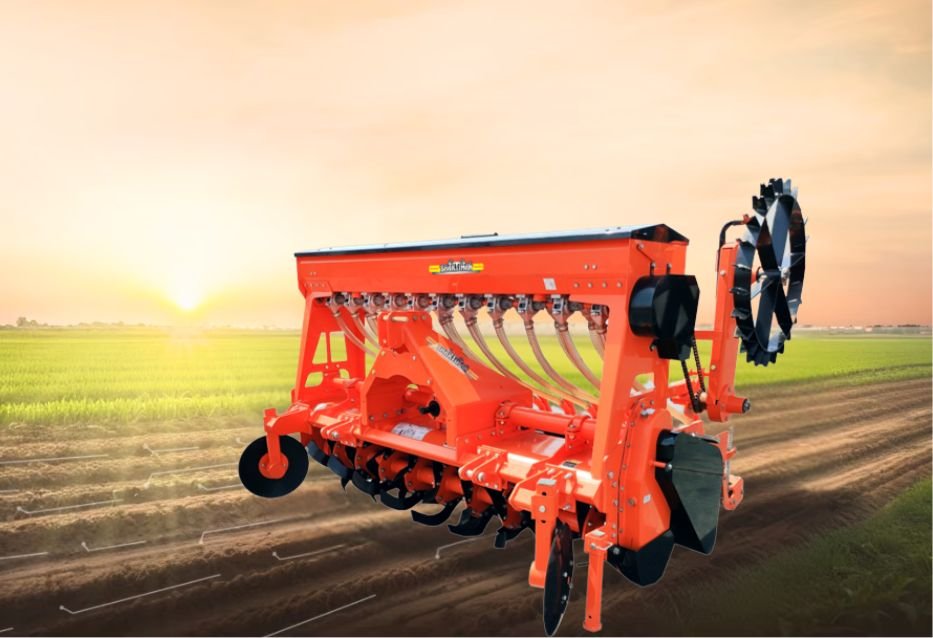
- Higher Precision – Machines ensure uniform planting, spraying, and harvesting.
- Improved Crop Yields – Mechanization ensures timely operations, reducing crop loss.
- Cost-Effective – Though initial investment is high, long-term savings are significant.
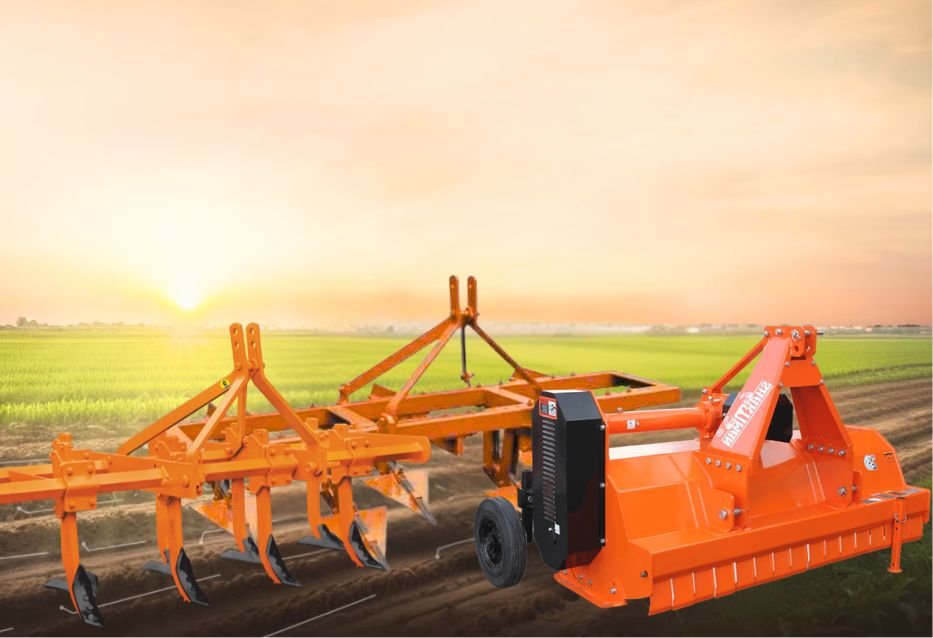
- Better Soil Management – Implements like rotavators and cultivators improve soil aeration.
- Supports Climate Resilience – Helps in quick action during weather changes or emergencies.
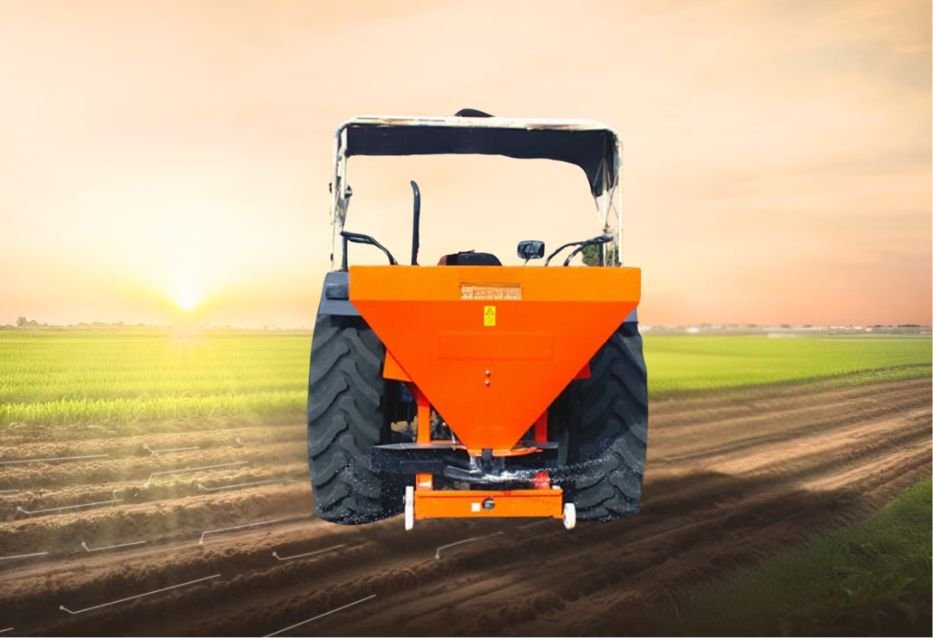
The primary purpose of a tractor is to pull farm equipment, but modern tractors can be outfitted with multiple attachments to suit just about any farming need. For this reason, tractors are common-sense purchases for small and large-scale farmers alike.
Types of Tractors:-
- Compact tractors: Compact tractors are small, high-powered tractors that can assist with all the basic functions needed on a farm or home. They are ideal for material handling and working in tight spaces where traditional tractors can’t fit.
- Wheeled tractors: Wheeled tractors are general-purpose tractors that help you get the most out of your machinery. These utility tractors can meet various demands and be outfitted for tilling, material handling and equipment pulling. Wheeled tractors come with a range of horsepower, lifting capacity, control and cab-style options, allowing you to choose the best option for your applications.
- Track tractors: Track tractors are farming vehicles mounted with tracks instead of tires, allowing them to plow fields with more power while providing a smoother ride for the operator.
- Specialty Crop tractors: Specialty crop tractors are designed, or can be specially adapted, with features to work optimally in orchards and vineyards. These slender tractors can more easily fit between lines of trees and vines while still providing the power needed for landscaping and maintenance.

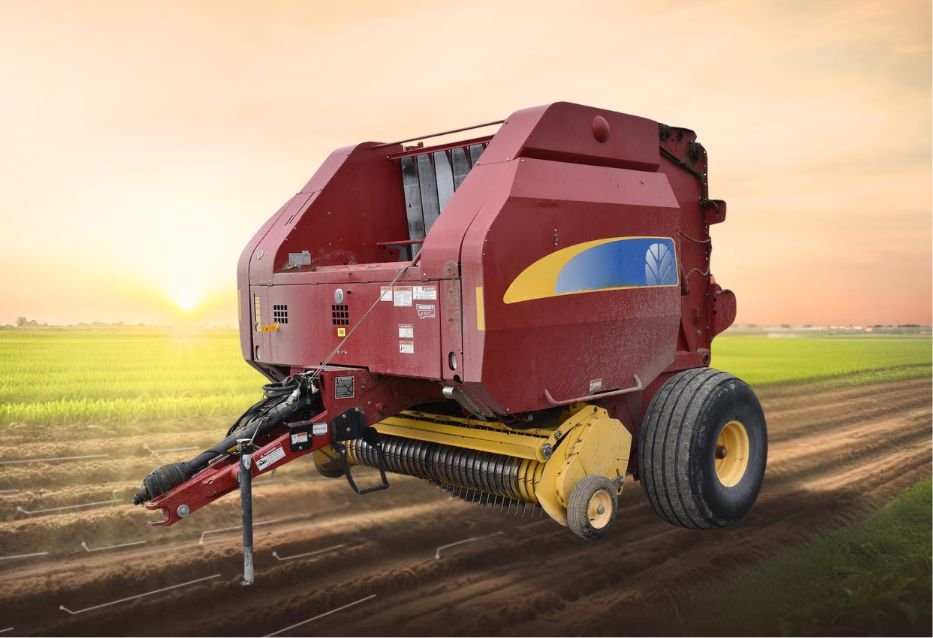
Combines and Forage Harvesters :-
Combine harvesters cut, thresh and clean grain in a single pass. In India they are used mainly for wheat and paddy, and most farmers hire them per acre through custom hiring centres. Forage harvesters chop green maize, sorghum or grass for silage.


Types of Irrigation Technology:
1. Surface Irrigation
- Water is applied directly to the soil surface
- Methods include
- Flood irrigation
- Furrow irrigation
- Border strip irrigation
2. Sprinkler Irrigation
Water is distributed through a network of pipes and sprinklers
Methods include:
- Center pivot irrigation
- Linear move irrigation
- Solid set sprinkler irrigation

What is Soil Conservation?
Soil conservation refers to the practices and techniques used to protect and preserve soil health, prevent erosion, and maintain its fertility.
Importance of Soil Conservation
- Soil Erosion Prevention: Soil conservation helps prevent soil erosion, which can lead to loss of fertile land, decreased crop yields, and increased sedimentation in waterways.
- Water Quality Protection: Soil conservation helps protect water quality by reducing sedimentation and runoff, which can carry pollutants into waterways.
- Climate Change Mitigation: Soil conservation can help mitigate climate change by sequestering carbon, reducing greenhouse gas emissions, and promoting sustainable land use practices.
- Food Security: Soil conservation is essential for maintaining soil fertility, which is critical for food security and sustainable agriculture.

Harvesting And Post Harvesting Management
Harvesting Management
Types of Harvesting Technologies
- Mechanized Harvesting: Uses machines like combines, tractors, and harvesters to cut, gather, and process crops.
- Automated Harvesting: Uses sensors, GPS, and automation to optimize harvesting operations.
- Precision Harvesting: Uses advanced technologies like precision agriculture, drones, and satellite imaging to optimize harvesting.
- Robotic Harvesting: Uses robots and artificial intelligence to harvest crops.
- Hand Harvesting: Uses manual labor to harvest crops.

Post-Harvesting Management
Types of Post-Harvesting Technologies
1. Cleaning and Grading
- Removing impurities, dirt, and debris from harvested crops
- Sorting and grading crops based on size, shape, color, and quality
2. Drying and Dehydration
- Reducing moisture content to prevent spoilage and extend shelf life
- Methods include air drying, sun drying, machine drying, and freeze-drying

What does farm mechanization mean for Indian farmers?
It means using machines and tools to make farming faster, easier, and more productive for all types of farms.
How does farm mechanization help small farmers?
It saves time, reduces hard labor, and helps small farmers grow more crops with less effort.
Which machines are most used in Indian farms?
Tractors, plows, seeders, harvesters, and irrigation tools are among the most common machines used.
Are modern tractors better for the environment?
Yes, new electric and hybrid tractors help cut fuel use and reduce pollution.
Can farm machines work well in hilly or wetland areas?
Yes, special machines like crawler tractors are made for such conditions.
Does the government give any help for buying farm machines?
Yes, there are several subsidy & schemes programs to support farmers. Details are shared on our website (in the SCHEMES section).
What is the role of technology in modern farming?
Tools with GPS, sensors, and automation help farmers get better results with less waste.
Why is soil conservation important in farm mechanization?
It keeps the soil healthy and fertile for future crops.
How does irrigation technology improve farming?
It provides proper water to crops using systems like drip and sprinkler irrigation.
What is post-harvest management and why is it needed?
It helps in cleaning, drying, and storing crops safely after harvesting.
How can I contact the ALL ABOUT AGRICULTURE team for more information?
You can directly reach out to us through call at +91 8484002628, or you can find more details about farm mechanization and related topics on the ALL ABOUT AGRICULTURE website.