Oil Seeds
Oil Seeds – Vital Crops for Edible Oils and More
Oilseed crops play a very important role in agriculture. They provide us with edible oils for cooking, raw material for biofuels, and nutritious animal feed. At All about agriculture, we give you simple and complete information about oilseeds, guiding you through farming methods to help you grow healthy crops and earn better income.[expander_maker id=”1″ more=”Read more” less=”Read less”]
What is Oilseed Cropping?
Oilseed cropping means growing oil-producing plants carefully and using good practices to get a good yield. This process involves several important steps:
- Seed Selection: Choose high-quality seeds that have good germination and resist pests or diseases.
- Land Preparation: Prepare the soil by ploughing, removing weeds, and leveling to create a healthy environment for the seeds.
- Planting: Sow the seeds in well-drained soil with proper spacing to allow plants to grow effectively.
- Irrigation: Provide adequate water during key stages, especially flowering and seed development.
- Fertilization: Use fertilizers to supply needed nutrients, but also consider organic options to keep soil healthy.
- Pest and Disease Management: Use integrated pest management (IPM) techniques such as natural predators and resistant varieties to protect crops.
- Harvesting: Collect mature seeds carefully when dry to avoid losses.
- Storage: Dry and store seeds properly in suitable containers to prevent spoilage and pest damage.
Following these steps helps farmers achieve better yields and safer production.
Nutrition and Uses of Oilseeds
Oilseeds are rich sources of edible oils that are essential for cooking and nutrition. They provide healthy fats, vitamins like E, and antioxidants. After oil extraction, the leftover oilseed meal serves as protein-rich animal feed. At All about agriculture, we guide you on how oilseeds not only support health but also contribute to renewable energy through biofuels.
Types of Oilseeds
Common oilseeds include:
- Soybeans: The largest globally produced oilseed, used for oil and animal feed.
- Rapeseed (Canola): Widely grown in Europe, Asia, and North America for healthy cooking oils.
- Sunflower Seeds: Popular for oil extraction and snacks.
- Cottonseed: Byproduct of cotton farming, used for oil and feed.
- Groundnuts (Peanuts): Grown mainly in Asia, Africa, and Americas, valued for oil and food.
More types of oilseeds are detailed on All about agriculture to help you select the best options for your region.
Major Oilseed Producing Countries
Top oilseed producers are:
- China: The largest oilseed producer, including soybeans and cottonseed.
- United States: Second largest, mainly producing soybeans and sunflower seeds.
- India: Major producer, especially soybeans, rapeseed, and groundnuts.
Our website explains how climate and farming practices in these countries lead to successful oilseed production.
Benefits of Oilseed Production
- Provides vital edible oils for cooking and nutrition.
- Supports renewable energy through biofuel production.
- Oilseed meals are valuable as livestock feed.
- Improves farm income and rural employment.
- Enables crop diversification to maintain soil health.
Challenges in Oilseed Farming
- Changing weather patterns and climate extremes impact crop growth.
- Soil degradation reduces fertility and yields.
- Pests and diseases threaten healthy plants.
- Access to quality seeds and inputs can be limited.
- Price volatility affects farmer earnings.
At All about agriculture, you’ll find practical advice to manage these challenges sustainably.
Future Prospects of Oilseed Cultivation
Demand for oilseeds is expected to keep rising due to growing populations and interest in healthy oils and biofuels. Research is producing better seed varieties that resist stress and diseases. Sustainable cultivation methods like conservation agriculture and integrated pest management are becoming standard to protect the environment and enhance productivity. All about agriculture regularly updates you with new farming techniques and innovations to secure your farm’s future.[/expander_maker]
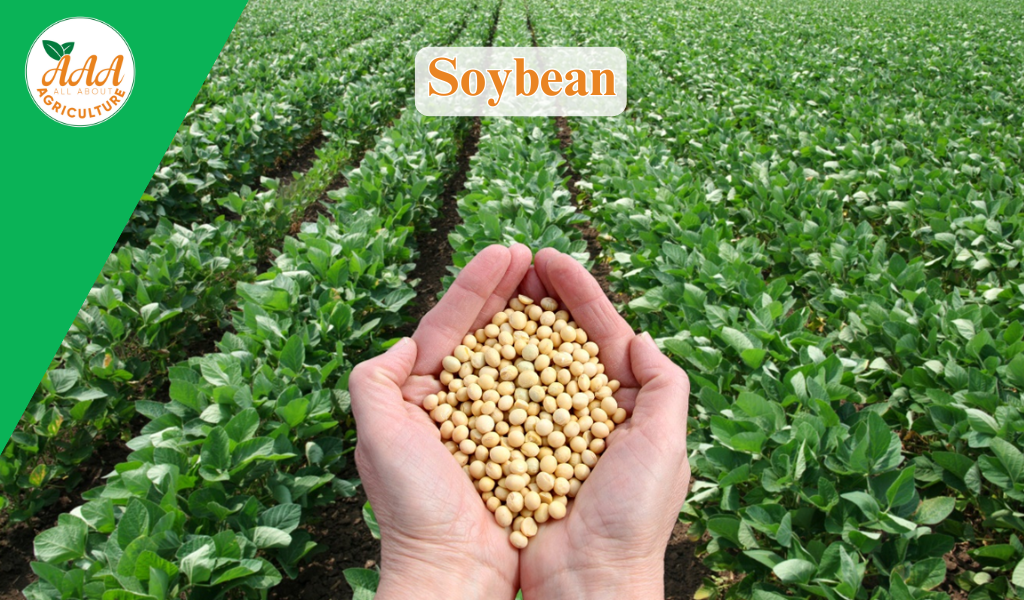
Soybean
Soybean (Glycine max) is a high-protein, oil-rich legume crop that plays a crucial role in food, feed, and industrial applications. With modern production techniques and precision farming, farmers can achieve higher yields, better quality, and increased profitability while maintaining soil health.
Key Steps for Profitable Soybean Cultivation
Ideal Climate & Soil Conditions
Temperature: 20-30°C – Prefers warm conditions with moderate rainfall
Soil Type: Well-drained loamy soil with high organic content (pH 6.0-7.5)
Water Requirement: Moderate irrigation required during flowering & pod formation
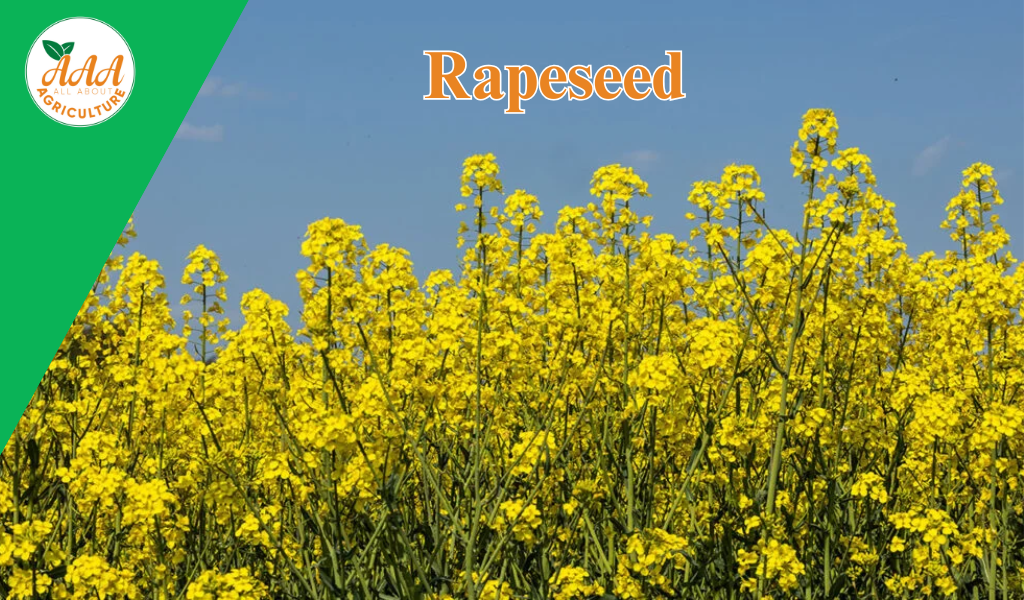
Rapeseed
Rapeseed (Brassica napus), also known as Canola, is a high-value oilseed crop rich in healthy fats and proteins. With advanced farming techniques and scientific management, farmers can achieve higher yields, better oil quality, and increased profitability while improving soil fertility.
Key Steps for Profitable Rapeseed Cultivation
Ideal Climate & Soil Conditions
Temperature: 15-25°C – Thrives in cool and moist conditions
Soil Type: Well-drained loamy or sandy loam soil (pH 5.5-7.0)
Water Requirement: Moderate irrigation, critical at flowering & pod formation
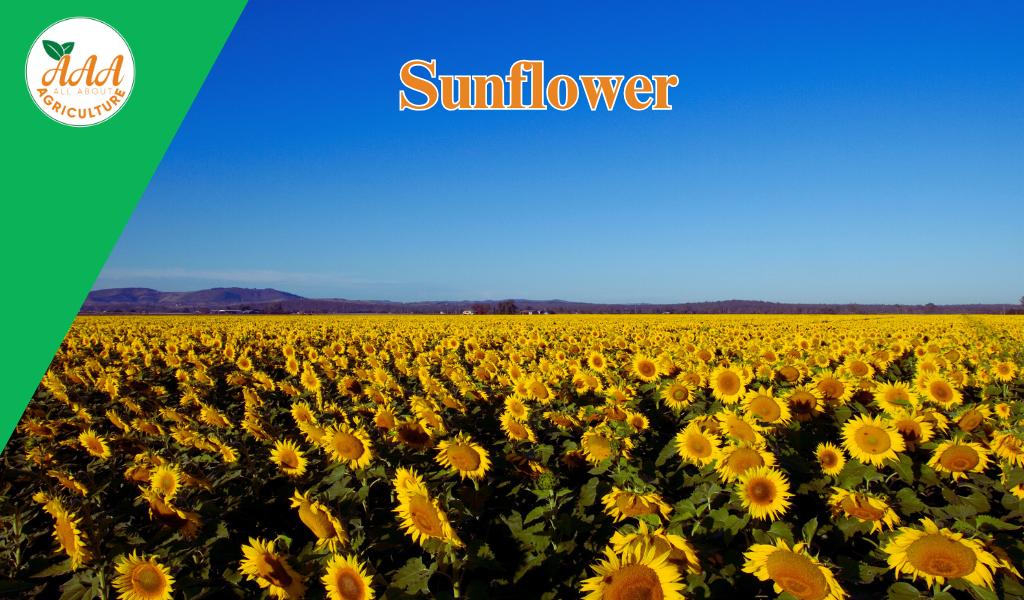
Sunflower
Sunflower (Helianthus annuus) is a high-yielding, oil-rich crop known for its drought tolerance, quick growth, and premium market value. With modern farming techniques and scientific management, farmers can achieve higher productivity, superior oil quality, and sustainable profits.
Key Steps for Profitable Sunflower Cultivation
Ideal Climate & Soil Conditions
Temperature: 20-30°C – Requires warm weather & plenty of sunlight
Soil Type: Well-drained loamy to sandy loam soil (pH 6.5-7.5)
Water Requirement: Moderate irrigation, crucial at flowering & seed filling stages
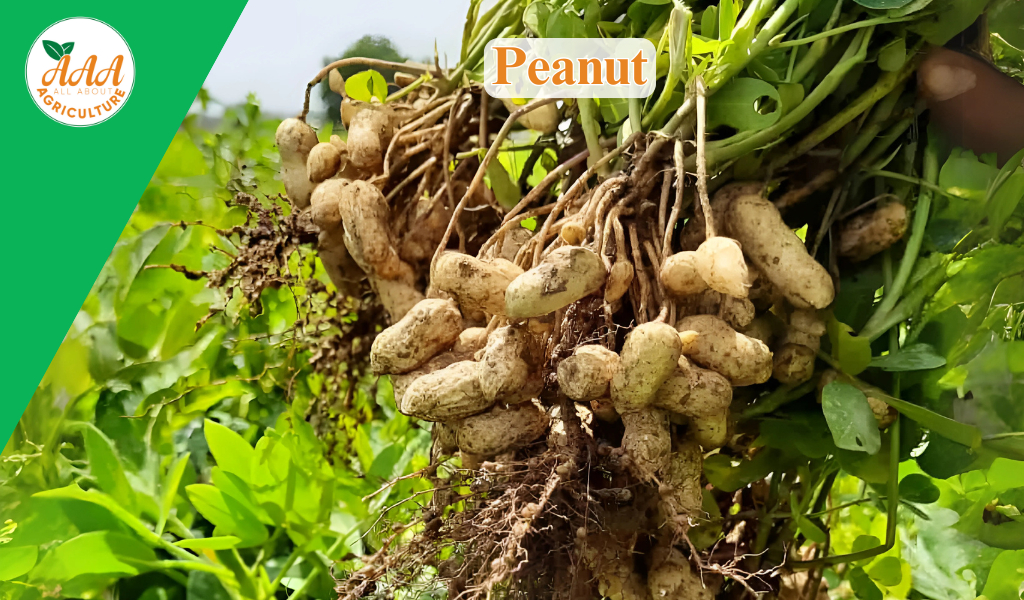
Peanut
Peanuts (Arachis hypogaea), also known as groundnuts, are a nutrient-rich, oilseed crop with high market demand. With scientific farming techniques and modern technology, farmers can achieve higher productivity, better quality, and increased profits while improving soil health.
Key Steps for Profitable Peanut Cultivation
Ideal Climate & Soil Conditions
Temperature: 25-35°C – Requires warm weather and moderate rainfall
Soil Type: Well-drained sandy loam to loamy soil (pH 6.0-7.5)
Water Requirement: Moderate irrigation, critical at flowering & pod formation
Frequently Asked Questions
What are the common pre-treatment steps before oil extraction from oilseeds?
Pre-treatment often includes cleaning seeds, removing impurities, cracking or crushing large seeds, flaking to increase surface area, and cooking or conditioning to improve oil yield and quality.
How does cold pressing differ from hot pressing in oilseed processing?
Cold pressing uses low temperatures to retain natural nutrients and flavor in oil, while hot pressing applies heat to increase oil extraction but may reduce some nutrients.
What role does dehulling play in oilseed processing?
Dehulling removes hard seed coats or shells that absorb oil, improving oil extraction efficiency and resulting oil quality.
Can small farmers use mechanical pressing for oilseed processing at home or farm level?
Yes, small-scale mechanical presses allow farmers to extract oil at home, providing fresh oil and reducing reliance on large factories.
What are the environmental benefits of sustainable oilseed farming?
Sustainable methods reduce chemical fertilizer use, minimize soil erosion, conserve water, and lower greenhouse gas emissions.
How important is seed treatment in preventing diseases in oilseed crops?
Treating seeds before planting protects them from soil and seed-borne diseases, ensuring healthy germination and crop establishment.
What are some pest management strategies specifically for oilseed crops?
Using pest-resistant varieties, timely planting, biological controls, and integrated pest management (IPM) helps control insects and diseases effectively.
How does crop rotation improve oilseed crop yields?
Rotating oilseeds with cereals or legumes helps break pest cycles, improve soil nutrients, and increase overall farm productivity.
What are the main nutritional benefits of consuming oilseed-derived oils?
Oilseed oils provide healthy fats, vitamin E, and antioxidants that support heart health and reduce inflammation.
How can farmers ensure quality storage of harvested oilseeds?
Drying seeds properly and storing them in cool, dry, pest-free conditions prevents spoilage and preserves oil quality.
What challenges do climate changes pose to oilseed production?
Unpredictable rainfall, temperature extremes, and increased pest outbreaks can reduce yield and affect crop health.
How does All about agriculture help farmers with oilseed cultivation and processing?
Our platform offers practical tips on farming techniques, pest control, seed selection, and modern oil extraction methods to support successful oilseed farming.