Cash Crops
Cash Crops – Growing for Profit and Prosperity
Cash crops are special plants grown mainly to be sold in the market, rather than for personal use or food at home. These crops help farmers earn money and support rural communities. At All about agriculture, we provide clear and complete information on cash crop farming so you can grow these important crops successfully and improve your income.[expander_maker id=”1″ more=”Read more” less=”Read less”]
What is Cash Crop Cultivation?
Cash crop cultivation means growing selected crops with care to get good quality and quantity for sale. It involves several key steps to ensure success:
- Land Preparation: Clear the land of weeds and plough the soil well to loosen it. Level the field to prepare a flat and smooth surface for planting.
- Seed Selection: Use high-quality seeds that germinate fast, resist pests, and suit your climate and soil type.
- Planting: Sow seeds or plant saplings carefully in well-drained soil, giving enough space for each plant to grow strong.
- Irrigation: Water the crops regularly during critical stages like flowering and fruiting to ensure healthy growth.
- Fertilization: Apply the right fertilizers, either organic or chemical, to provide nutrients needed by cash crops.
- Pest and Disease Management: Follow integrated pest management (IPM) methods to control pests and diseases safely and effectively.
- Harvesting: Pick the crops at the right time when fully mature and ready for market sale.
Following these steps helps you get the best yield and profit from your cash crops.
What Do You Get From Cash Crops?
Cash crops include many varieties like cotton, sugarcane, tobacco, coffee, and tea. They are important not only for farmers’ income but also for products we use daily:
- Cotton provides fiber for clothes and textiles.
- Sugarcane gives sugar and raw material for biofuels.
- Tobacco is used in many smoking products.
- Coffee and tea supply beverages loved worldwide.
Cash crops also create jobs and contribute to national foreign exchange earnings. At All about agriculture, we help you understand how cash crop farming can benefit you and your community.
Types of Cash Crops
- Tobacco: A major source of income but requires careful management.
- Cotton: Widely grown for textile fiber globally.
- Sugarcane: A tropical crop used for sugar and ethanol.
- Coffee: Grown mostly in tropical highlands; a high-value export.
- Tea: Mostly cultivated in subtropical regions; a popular beverage crop.
More varieties and their farming requirements are explained on our website.
Major Cash Crop Producing Countries
Top producers include:
- China – Leading in tobacco, cotton, and sugarcane production.
- United States – Important cotton and tobacco grower.
- India – Major producer of sugarcane, cotton, and tea.
- Brazil – Leading in sugarcane and coffee production.
You can learn from All about agriculture how these countries manage cash crop farming effectively.
Benefits of Cash Crop Production
- Provides important income and livelihoods for farmers.
- Creates jobs and boosts rural economies.
- Supports export and foreign exchange earnings.
- Enables diversification in farming systems.
- Promotes development of related industries.
Challenges in Cash Crop Farming
- Prices often change and cause income uncertainty.
- Changing climate impacts rainfall and crop health.
- Soil quality may decline without sustainable practices.
- Pests and diseases may reduce crop yields.
- Dependence on external inputs can increase costs.
Future Prospects
Demand for cash crops is expected to rise with growing populations and global markets. New seed varieties, improved farming methods, and sustainable practices make cash crop cultivation more profitable and eco-friendly. All about agriculture continually updates you with the latest tips, methods, and success stories to help you thrive.
[/expander_maker]
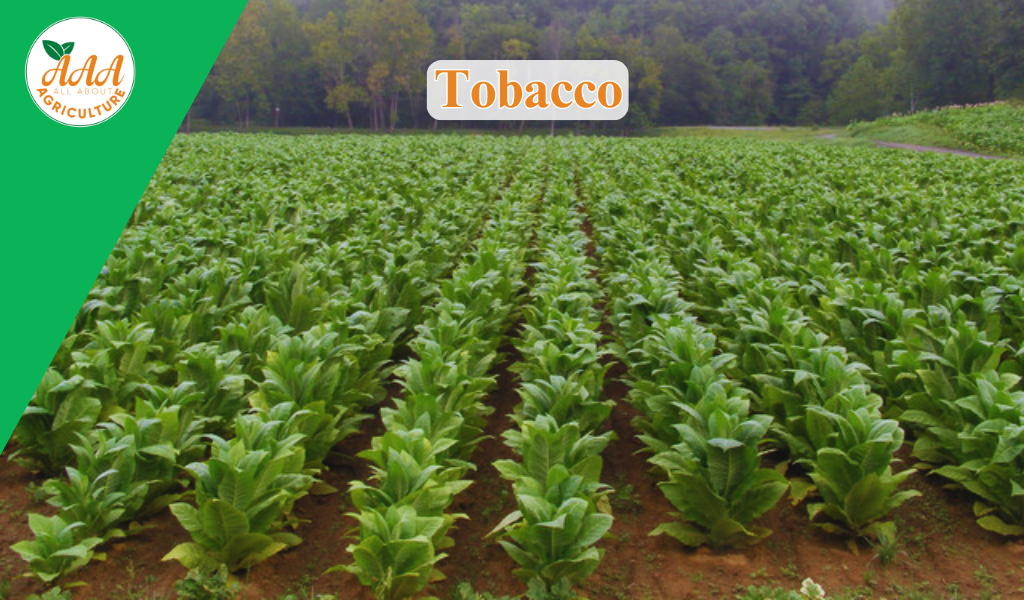
Tobacco
Tobacco farming requires precise environmental conditions, advanced mechanization, and sustainable practices to ensure high-quality leaves and maximum yield. With modern agriculture technology, farmers can optimize every stage, from seed selection to curing.
Ideal Climate & Soil Conditions
Temperature: Tobacco thrives in 20°C to 30°C during the growing season. High temperatures above 35°C can reduce leaf quality, while below 15°C slows growth.
Rainfall: Requires 600-800 mm of well-distributed rainfall. Excess water causes leaf diseases and poor curing.
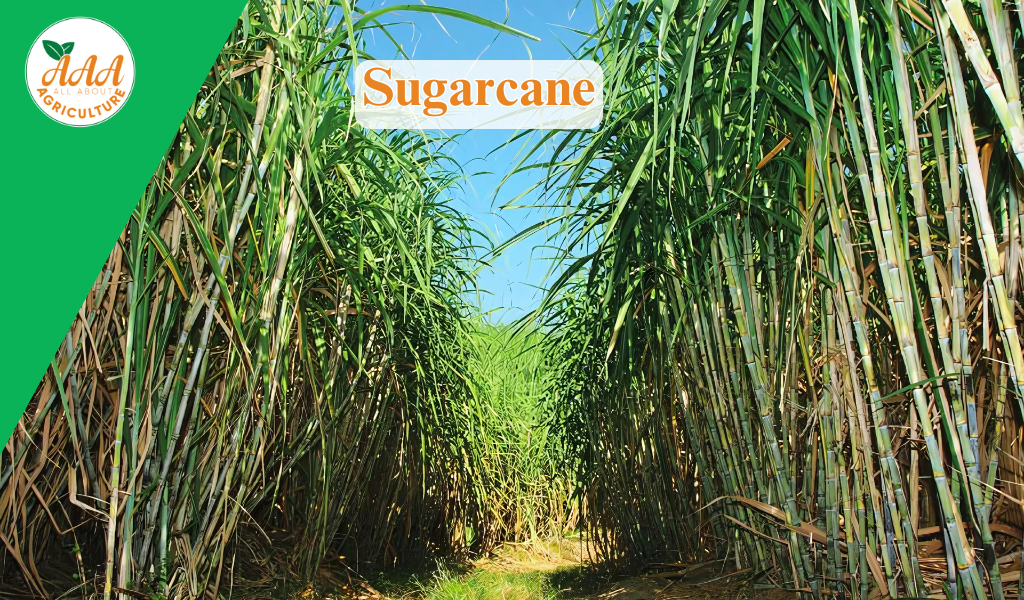
Sugarcane is one of the most important commercial crops, requiring precision farming techniques to maximize yield, sugar content, and sustainability. With modern agriculture technology, farmers can achieve higher productivity and profitability while conserving resources.
Ideal Climate & Soil Conditions
Temperature: 20°C to 35°C is optimal for growth. Extreme heat above 38°C affects sugar content, while below 15°C slows growth.
Rainfall: Requires 1,200–1,500 mm annually, with well-distributed irrigation for dry regions.
Soil: Best suited for loamy, well-drained soil with a pH of 5.5 to 7.5.
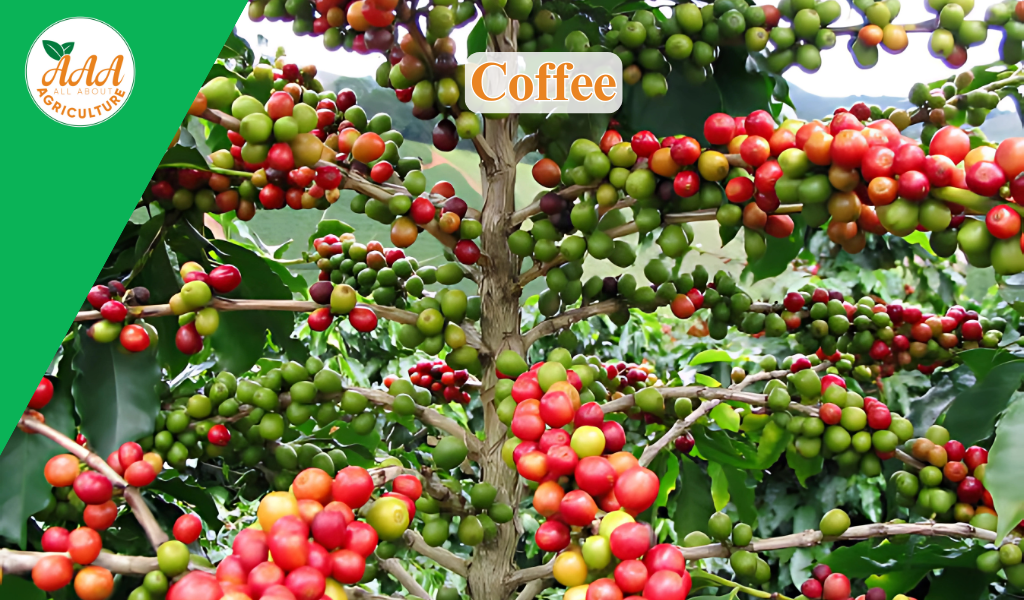
Coffee
Coffee is one of the world’s most valuable crops, requiring precision farming, climate-smart techniques, and sustainable practices to ensure high yield, rich flavor, and quality beans. With modern coffee production technology, farmers can boost productivity while preserving the environment.
Ideal Climate & Soil Conditions
Temperature: Coffee grows best in 18°C to 24°C for Arabica and 24°C to 30°C for Robusta. Temperatures above 32°C can lower bean quality.
Rainfall: Requires 1,200–2,500 mm annually, depending on the variety.
Altitude: 800-2,200 meters above sea level provides the best flavor.
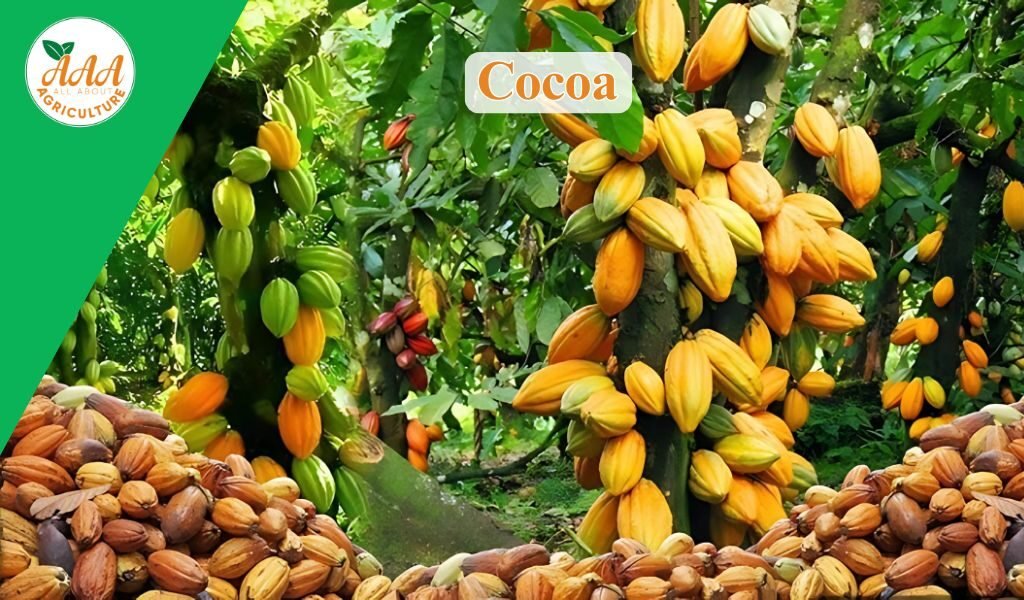
Cocoa, the key ingredient in chocolate, thrives with precision farming, climate-smart techniques, and sustainable practices. Modern cocoa production technology enhances yield, bean quality, and environmental sustainability, ensuring better profitability for farmers.
Ideal Climate & Soil Conditions
Temperature: Best suited for 21°C to 30°C. Extreme heat above 32°C or cold below 15°C affects pod formation.
Rainfall: Requires 1,500–2,500 mm annually, with a humid climate for proper growth.
Shade Requirement: 30-40% shade cover improves growth and prevents sunburn.
Frequently Asked Questions
What role does soil testing play in cash crop farming?
Soil testing helps farmers understand nutrient levels and pH balance to apply the right fertilizers. This leads to better crop health and higher yields while saving costs on unnecessary inputs.
How can farmers protect cash crops from unexpected weather changes?
Using weather forecasts, timely planting, and protective measures like windbreaks or mulching can minimize damage from hail, frost, or heavy rains.
What sustainable methods support cash crop production?
Practices such as crop rotation, organic fertilization, mulching, and integrated pest management improve soil health, reduce chemical use, and ensure longer farm productivity.
How do market fluctuations impact cash crop farmers?
Changes in crop prices can lead to unstable incomes. Farmers can use forward contracts, join cooperatives, or diversify crops to reduce financial risks.
Can cash crops be grown successfully on small farms?
Yes, even small farms can profit by choosing high-value cash crops, using space efficiently, and applying modern techniques suited for small-scale production.
What modern tools help improve cash crop farming efficiency?
Tractors, seed drills, drip irrigation, and pest monitoring apps help increase productivity, reduce labor, and manage resources smartly.
How important is post-harvest management for cash crops?
Proper drying, cleaning, grading, and storing help maintain crop quality, reduce losses, and secure better prices in the market.
What environmental concerns are associated with cash crop farming?
Intensive farming may cause soil degradation, water depletion, and biodiversity loss, so adopting conservation practices is essential for eco-friendly production.
How can farmers access credit for cash crop cultivation?
Farmers can approach banks, government schemes, or microfinance institutions offering loans specifically for agricultural inputs and equipment.
How does intercropping benefit cash crop farmers?
Growing compatible crops together improves soil nutrients, reduces pests, and diversifies income sources, making farming more resilient.
What are the signs of nutrient deficiency in cash crops?
Yellowing leaves, stunted growth, and poor fruit development can indicate nutrient problems, and testing plus timely fertilization can correct these issues.
How does All about agriculture assist cash crop farmers?
Our platform offers practical guides on crop selection, pest control, market trends, and sustainable techniques to boost your cash crop success.