Horticultural Crops
Horticultural Crops – Growing Healthy Fruits, Vegetables, and More
Horticultural crops are plants grown mainly for fruits, vegetables, nuts, flowers, and herbs. These crops provide nutritious food and improve health, livelihoods, and the environment. At All about agriculture, we bring you simple and complete information on horticultural crop farming, helping everyone from beginners to experts grow better and earn more.[expander_maker id=”1″ more=”Read more” less=”Read less”]
What is Horticultural Crop Cultivation?
Horticultural crop cultivation means growing these diverse plants carefully with the right steps to get a good harvest. The process includes several important steps:
- Land Preparation: Clear the field, plough and level the soil to make it ready for planting.
- Seed or Plant Selection: Choose healthy seeds or seedlings suited to your soil and climate for better growth.
- Planting: Sow seeds or transplant seedlings with proper spacing to avoid crowding and to promote strong plants.
- Irrigation: Provide water regularly, especially during flowering and fruit development stages for healthy crops.
- Fertilization: Apply balanced fertilizers or organic manure to supply essential nutrients.
- Pest and Disease Management: Use safe methods like integrated pest management (IPM) to control pests and diseases.
- Harvesting: Pick fruits, vegetables, or flowers carefully when mature to get the best quality.
Following these steps helps you achieve higher yields and healthier crops.
Nutrition and Benefits of Horticultural Crops
Horticultural crops are rich in vitamins, minerals, antioxidants, and fiber. Eating fresh fruits and vegetables helps maintain good health and prevent diseases. Nuts provide essential healthy fats and protein, while herbs add flavor and medicinal benefits to food. At All about agriculture, we highlight how growing these crops can improve nutrition and income for your family and community.
Types of Horticultural Crops
- Fruits: Apples, bananas, citrus, grapes, berries, and stone fruits.
- Vegetables: Tomatoes, potatoes, carrots, broccoli, leafy greens, and cauliflower.
- Nuts: Almonds, walnuts, pecans, hazelnuts.
- Flowers: Roses, carnations, orchids, and chrysanthemums for decoration and sale.
- Herbs: Mint, basil, cilantro, and parsley for food and medicinal use.
More details about these crops and their requirements are available on All about agriculture for you to explore.
Major Horticultural Crop Producing Countries
The largest producers include:
- China: Leading in fruits, vegetables, and nuts production.
- United States: Significant vegetable and fruit grower with advanced farming methods.
- India: Known for diverse fruits, spices, and vegetable cultivation.
- Brazil: Important in tropical fruits and vegetable production.
Our website provides more on how these countries manage horticulture efficiently.
Benefits of Horticultural Crop Production
- Provides diverse and nutritious food options.
- Creates jobs and income for farmers and rural communities.
- Improves soil health, conserves water, and reduces pollution.
- Supports local markets and export opportunities.
Challenges in Horticultural Farming
- Climate change impacts crop growth and quality.
- Water scarcity can limit production.
- Pests and diseases reduce crop yields if not controlled properly.
- Market price changes affect farmer income.
Future Prospects
Demand for fresh fruits, vegetables, nuts, and flowers is growing worldwide. New farming techniques, improved crop varieties, and sustainable practices are making horticulture more productive and eco-friendly. At All about agriculture, we keep you updated with the latest tips and innovations to help you succeed.[/expander_maker]
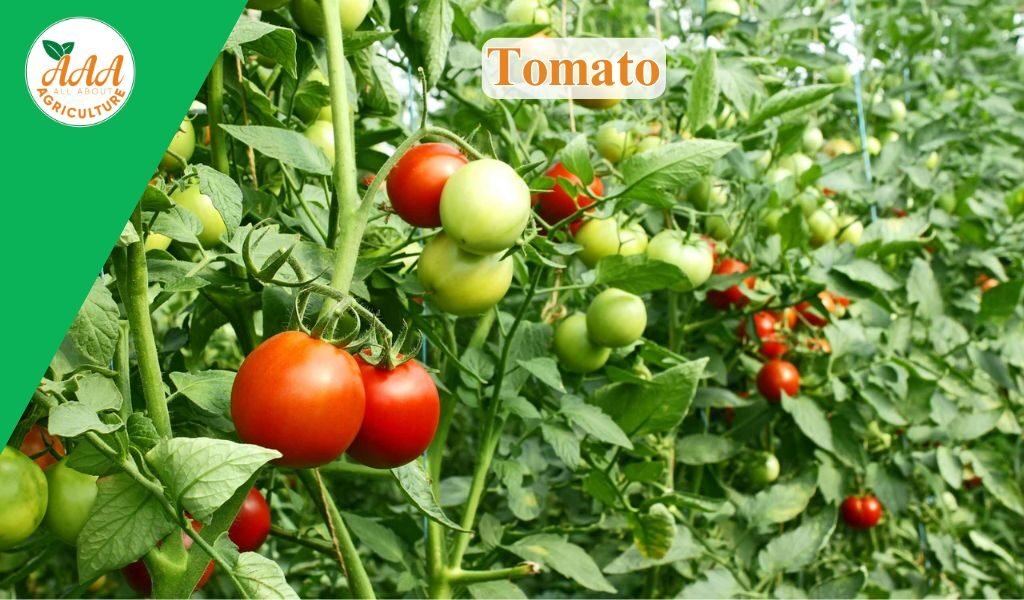
Tomato
Tomato is one of the most widely grown and consumed vegetables worldwide. With modern precision agriculture, high-tech irrigation, and disease-resistant varieties, farmers can maximize yield, improve quality, and ensure year-round production.
Ideal Climate & Soil Conditions
Temperature: Best growth at 18°C to 30°C. Below 10°C slows growth, while above 35°C reduces fruit setting.
Rainfall: 600–1,200 mm annually, but controlled irrigation is preferred.
Soil: Well-drained sandy loam with a pH of 6.0–7.0.
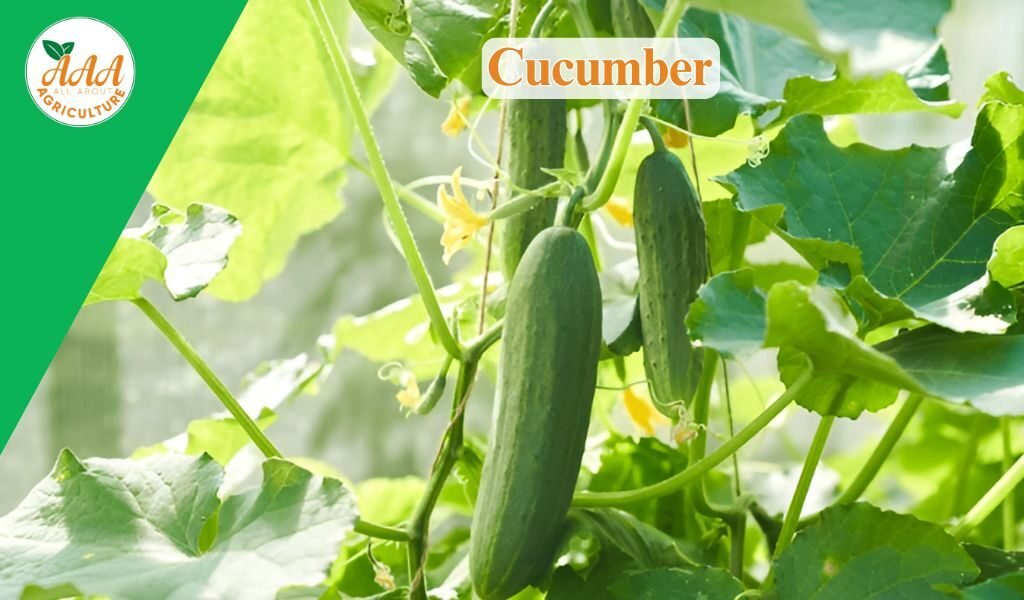
Cucumber
Cucumber is a fast-growing, high-value vegetable crop that thrives with modern precision farming, smart irrigation, and greenhouse technology. With advanced production techniques, farmers can achieve higher yields, better fruit quality, and year-round cultivation.
Ideal Climate & Soil Conditions
Temperature: Best growth at 18°C to 30°C. Below 12°C slows germination, while above 35°C affects fruit setting.
Rainfall: Requires 1,000–1,500 mm annually, but controlled irrigation is preferred.
Soil: Sandy loam to loamy soil, well-drained, with a pH of 6.0–7.5.
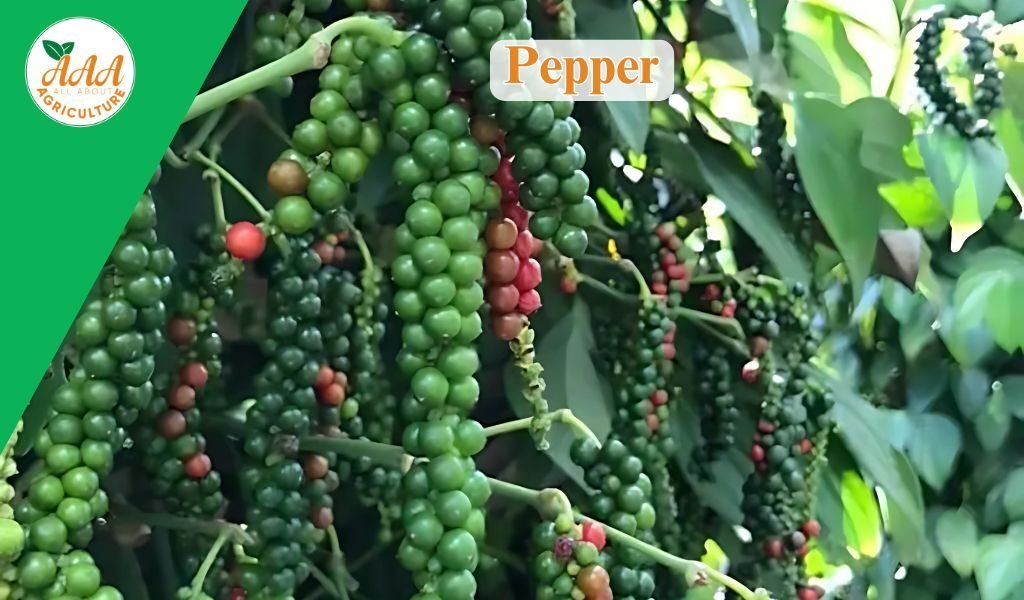
Pepper
Peppers, including bell peppers and chili peppers, are high-value crops that thrive with precision farming, climate-smart irrigation, and greenhouse cultivation. With modern agricultural technology, farmers can boost yields, enhance quality, and ensure year-round production!
Ideal Climate & Soil Conditions
Temperature: Best growth at 18°C to 30°C. Below 15°C slows growth, while above 35°C affects flowering.
Rainfall: Requires 600–1,200 mm annually, but controlled irrigation is preferred.
Soil: Well-drained sandy loam with a pH of 6.0–7.0.
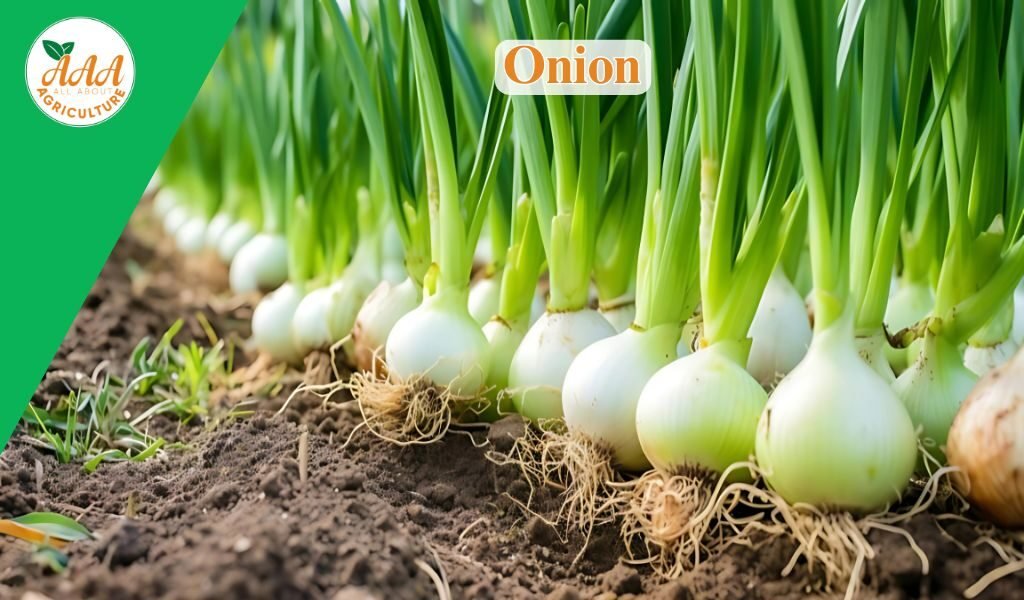
Onion
Onion is a high-demand, high-profit crop, and with modern production technology, farmers can achieve higher yields, better quality, and longer storage life. Precision irrigation, AI-powered pest control, and smart storage techniques are revolutionizing onion farming for maximum profitability!
Ideal Climate & Soil Conditions
Temperature: 12°C to 25°C is ideal. Below 10°C slows growth, while above 30°C affects bulb formation.
Rainfall: Requires 700–1,000 mm annually, but controlled irrigation is preferred.
Soil: Loamy, well-drained soil with a pH of 6.0–7.5.
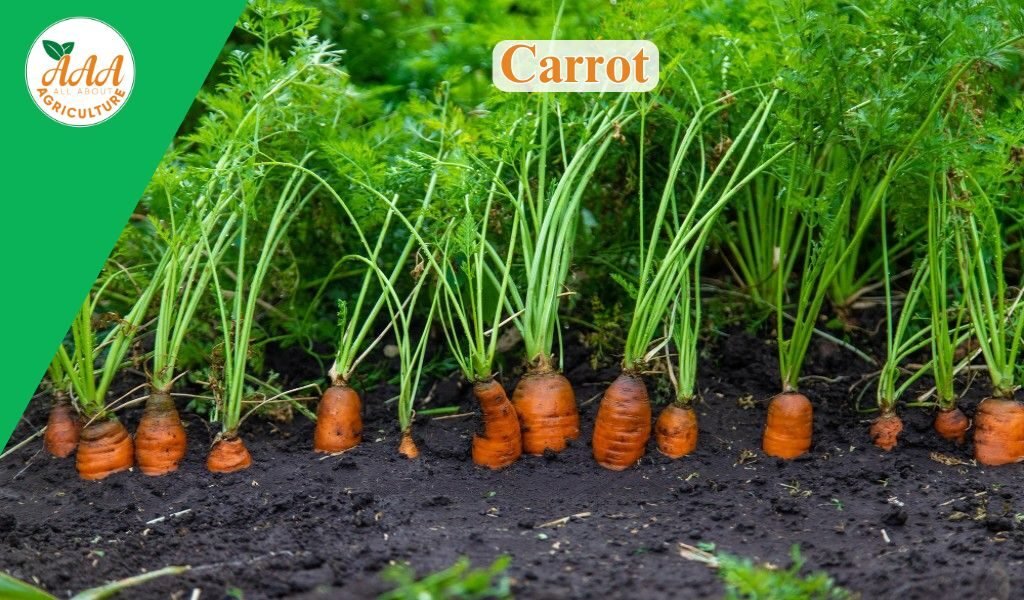
Carrot
Carrots are a nutrient-rich, high-value crop that thrives with precision farming, climate-smart irrigation, and AI-driven pest management. With modern technology, farmers can boost yield, improve root quality, and extend storage life, ensuring maximum profitability!
Ideal Climate & Soil Conditions
Temperature: Best growth at 15°C to 25°C. Below 10°C slows germination, while above 30°C leads to poor root formation.
Rainfall: Requires 700–1,000 mm annually, but controlled irrigation ensures better quality.
Soil: Well-drained, sandy loam soil with a pH of 6.0–7.0.
Frequently Asked Questions
What are the common insect pests of horticultural crops and how can they be identified?
Common pests include aphids, whiteflies, caterpillars, and beetles. Signs are curled or yellowing leaves, holes in fruits or leaves, and stunted plant growth. Early identification helps in effective control.
How does integrated pest management (IPM) work in horticulture?
IPM combines monitoring pests, using natural predators, crop rotation, and minimal chemical use to reduce pest damage sustainably and safely for the environment.
What role do beneficial insects play in horticultural crop protection?
Beneficial insects like ladybugs and lacewings eat harmful pests, naturally controlling pest populations and reducing the need for pesticides.
How can proper pruning and training improve horticultural crop health?
Pruning removes diseased or overcrowded parts, improving air flow and sunlight penetration, which reduces diseases and promotes stronger, healthier plants.
What are effective organic methods to protect horticultural crops from diseases?
Using compost, neem oil sprays, crop rotation, and resistant varieties helps prevent diseases while avoiding chemical residues.
How important is soil health for growing horticultural crops?
Healthy soil rich in organic matter improves root growth, nutrient uptake, and crop productivity while reducing pest and disease issues.
What irrigation techniques are best suited for horticultural crops?
Drip irrigation and mulching conserve water, provide consistent moisture, and reduce weed growth, which enhances crop yield and quality.
How does crop rotation benefit horticultural crop farmers?
Rotating fruits, vegetables, and nuts breaks pest cycles, improves soil nutrients, and reduces risk of disease buildup in the soil.
What packaging or storage tips ensure freshness of harvested horticultural produce?
Storing crops in cool, dry places with good ventilation slows decay and preserves vitamins, color, and texture for longer market life.
What nutritional benefits do horticultural crops provide?
They supply essential vitamins, minerals, fiber, and antioxidants that improve immunity, digestion, and overall health.
How can climate change impact horticultural crop production?
Shifting temperatures and rainfall patterns can affect flowering, fruiting, and pest occurrence, requiring adaptable farming methods.
How does All about agriculture support horticultural farmers?
Our platform offers easy guides, pest control tips, irrigation methods, and market insights to help farmers grow healthy, profitable horticultural crops.