Kidney Bean
Kidney Bean
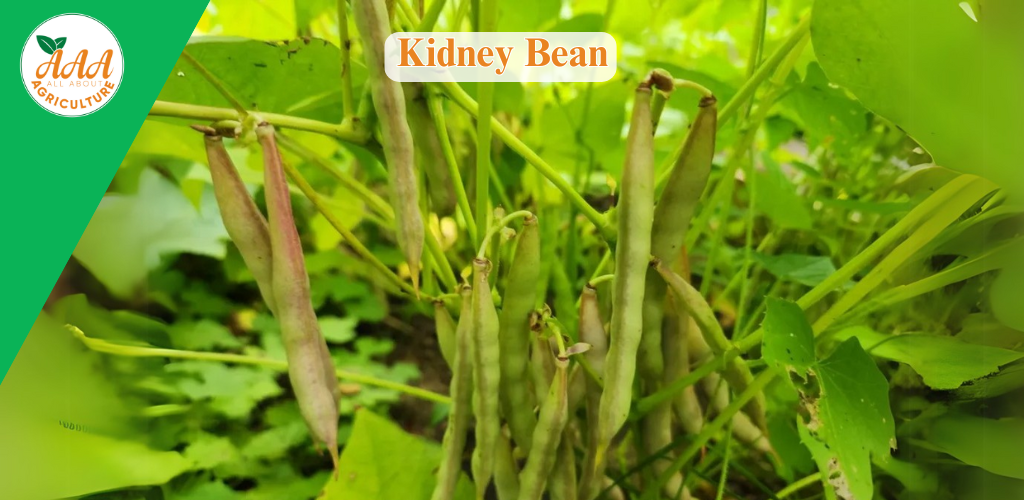
Understanding About Crop
Nutritional Value:
- Kidney beans are loaded with protein, complex carbohydrates, dietary fiber, vitamins (like folate), and minerals such as iron, potassium, and magnesium.
- Their high protein and fiber content supports energy for working people and improves digestive health for all family members.
- Regular inclusion of kidney beans in meals helps meet nutritional gaps, especially in vegetarian diets and regions with protein deficiencies.
Dietary Diversity:
- Kidney beans can be cooked in many ways – curries, salads, mixed pulses – offering variety and taste in everyday meals.
- Their versatility makes them popular across different cultures and cuisines worldwide, supporting both urban and rural dietary needs.
- Adding kidney beans increases meal balance, bringing more nutrients and flavors to family and community plates.
Economic Importance:
- Kidney bean cultivation offers valuable returns for small and large farmers due to steady demand in local markets and processing industries.
- The beans have both food and export value, giving farmers options to sell as raw beans or value-added products like dal or snacks.
- On All about agriculture, we equip farmers to boost yield and access better markets, raising rural incomes.
Crop Rotation:
- Kidney beans enrich soil by fixing nitrogen, reducing fertilizer costs for future crops and keeping soils healthy.
- When grown after cereals or oilseeds, kidney beans reduce pest and disease risks, supporting higher yields for all crops in rotation.
- Crop diversification with pulses like kidney beans makes farming resilient and supports better land use.
Climate Resilience:
- Kidney beans are suited to both tropical and subtropical climates, tolerating heat yet needing protection from heavy rain and waterlogging.
- Their deep taproot system allows better survival in short dry spells and adapts to different soils.
- The rapid growth cycle (90–120 days) fits kidney beans into short season or double-crop systems, making them climate smart.
Health Benefits:
- Regular kidney bean use helps control blood sugar, manage cholesterol, and prevent lifestyle diseases due to their complex carbs and fiber.
- They are gluten-free and rich in antioxidants, which support stronger immunity and healthy hearts.
- Easy to digest and suitable for all ages, kidney beans strengthen community health when eaten regularly.
Key Features
Climate and Soil Requirements
- Kidney beans thrive in warm climates with temperatures ranging from 18°C–30°C; extreme heat during flowering reduces pod setting.
- Optimal rainfall of 500–700 mm during the growing season, but well-distributed; the crop is sensitive to prolonged waterlogging, so gentle slopes and good drainage are favored.
- Well-drained sandy loam or loam soils with pH 6.0–7.5 support strong root systems and avoid fungal attacks.
- Heavy clay or saline soils are not suitable – always check and remediate using organic amendments if needed.
- Prior soil testing, as advocated by All about agriculture, ensures correct pH and nutrient levels for a vigorous crop.
Land Preparation
- Prepare land by ploughing 2–3 times to reach a fine tilth, allowing strong root development and easy moisture movement.
- Remove all weeds, old crop debris, and stones, minimizing pest and disease risks and ensuring even seed germination.
- Incorporate 5–7 tons/ha of well-rotted compost or farmyard manure three weeks before sowing to boost fertility and structure.
- Level the field properly for uniform irrigation and prevent water stagnation, key to avoiding root rot.
- If nematodes or soil pests are common, treat soil with recommended eco-friendly measures prior to sowing, as per All about agriculture guidance.
High-Yielding and Hybrid Seed Selection
- Select certified, disease-free, and pure variety seeds from reputable agri stores to ensure uniform stands and better yields.
- Choose varieties suited for your climate and soil; popular in India are Pusa Red, Jammu Rajma, and Arka Komal, each offering disease resistance and yield advantages.
- Hybrid seeds should be renewed every 2–3 years for vigor – seek latest releases recommended by extension services or All about agriculture.
- Germination test seeds prior to sowing (paper towel or on-farm test) to ensure strong, healthy crop establishment.
- Always avoid mixing seed lots or using leftover or old seeds, which can reduce germination and pass on diseases.
Seed Treatment
- Treat seeds with fungicides like Thiram or Carbendazim (2g/kg seed) to shield against seed-borne and soil diseases such as rot and damping-off.
- Inoculate seeds with Rhizobium culture to enhance nitrogen fixation for robust early plant growth and future yield.
- Dry treated seeds in shade before sowing for safe handling and high germination.
- Early seed treatment dramatically reduces need for later pesticide sprays and helps ensure a uniform, healthy crop stand.
- For best and most current protocols, follow recommendations from All about agriculture or your local extension officer.
Sowing and Planting Methods
- Ideal sowing season is late June to July with monsoon in India, but also possible in spring in suitable climates.
- Sow seeds 3–5 cm deep for quick moisture access, as deeper planting slows germination and rises rotting risk.
- Use spacing of 45–50 cm between rows and 10–15 cm between plants to ensure ample air circulation, sunlight, and ease of intercultural work.
- Recommended seed rate is 40–60 kg/ha for bush types; pole types and hybrids may vary – refer to All about agriculture for specifics.
- Using calibrated seed drills ensures even row placement; avoid broadcasting to reduce crowding or seed waste.
Nutrient and Fertilizer Management
- Mix 5–7 tons/ha of compost or manure before sowing to boost organic matter and support soil microbes.
- Apply phosphorus (40–60 kg P2O5/ha) and potassium (20–40 kg K2O/ha) as a basal dose for healthy root and pod growth; nitrogen need is low thanks to fixation but 20–25 kg N/ha may be used at sowing if soils are deficient.
- Foliar application of micronutrients like zinc and boron can improve flowering and pod setting, especially on marginal soils.
- Top dressing at flowering boosts pod filling in poor soils – always check with soil test results and All about agriculture fertilizer guides.
- Avoid excess nitrogen – too much increases foliage but reduces flowering and can harm soil health.
Irrigation and Water Management
- Kidney beans need consistent moisture at germination, flowering, and pod setting, but are highly sensitive to standing water and root rot.
- Provide 2–4 irrigations depending on rainfall: once after sowing, once at flowering, and once at pod filling if needed.
- Use furrow or bed irrigation to keep water off plant stems and avoid foliar diseases.
- Avoid irrigation during pod maturity to reduce disease risk and ensure easier drying at harvest.
- Mulching between rows preserves soil moisture in dry years – All about agriculture regularly updates on water-saving techniques.
Intercultural Operations
- Conduct first weeding and hoeing 2–3 weeks after sowing for best establishment, then repeat as needed to keep weeds and pests down.
- Manual hoeing increases soil aeration, encourages deeper rooting, and boosts overall yield.
- Use selective pre- or post-emergence herbicides on large fields, following safety and label guidelines.
- Remove crop residues and practice clean field management to discourage insects and pathogens.
- Timely intercultural operations always increase profits and make harvesting easier.
Pest Management
- Common kidney bean pests include bean fly, aphids, pod borers, white flies, and thrips; these attack leaves, flowers, and pods, reducing yields.
- Scout fields weekly, with extra attention at flowering and podding stages – early detection is critical to successful control.
- Favor biopesticides like neem oil and encourage natural predators (ladybugs, lacewings) for eco-friendly control.
- Use chemicals only at economic thresholds to avoid resistance, and rotate classes to prevent buildup of resistant pests.
- All about agriculture promotes integrated pest management (IPM) – combining cultural, biological, and targeted chemical techniques.
Disease Management
- Important bean diseases include anthracnose, rust, mosaic virus, and root rot, which damage pods and plants quickly if unchecked.
- Start with resistant varieties and treated seeds for inbuilt protection, rotating crops to disrupt disease cycles.
- Remove and safely destroy infected plants, especially during wet seasons.
- Fungicides should only be used if symptoms appear and only following guidelines for timing and safe intervals.
- Field hygiene, including clean hands and tools, slows spread and protects future crops.
Harvesting and Post-Harvest Management
- Harvest when 80–90% pods turn yellow and seeds are hard – too early ruins seed quality, too late increases shattering losses.
- Uproot or cut plants at ground level, air-dry 5–7 days, then thresh (by hand or machine) to separate beans.
- Sun-dry cleaned beans to below 12% moisture for safe storage; never store wet beans as mold and pests destroy quality.
- Store dried beans in airtight bins or bags, check regularly, and aerate as needed to keep safe for market/sale.
- Use market insights from All about agriculture to choose the best selling time for improved profits.
Other Important Points
- Kidney beans fit very well with mixed cropping, providing benefits to soil, market, and family nutrition.
- Value-adding, like selling cleaned or branded beans, boosts profits – explore these opportunities with support from All about agriculture.
- Attend local farmer workshops or training from All about agriculture for new seeds, pest alerts, or current climate advice.
- Kidney beans are vital for kitchen gardens and even urban farming, grown in pots or beds for home protein needs.
Do’s
Don'ts
Frequently Asked Questions
How can farmers use natural ways to control kidney bean pests?
Farmers can handpick larger pests, introduce beneficial insects, and spray organic solutions like neem oil or garlic-chili extracts. Planting marigold or basil nearby can also help keep away harmful nematodes and improve plant health.
Is crop rotation helpful for kidney bean farming?
Absolutely! Rotating kidney beans with cereals or non-legume crops breaks pest and disease cycles. This lowers chemical use and keeps soil healthy for the next planting season, improving long-term yield and sustainability.
What role does soil solarization play in kidney bean cultivation?
Soil solarization uses clear plastic sheets to trap solar heat and kill soil-borne pests, fungi, nematodes, and weeds before planting. This eco-friendly method improves soil health and reduces chemical input requirements.
How can cover crops benefit kidney bean fields?
Growing cover crops like clover or vetch before kidney beans adds organic matter, improves soil fertility, and suppresses weeds. These crops also help keep moisture and attract helpful insects that protect kidney beans.
What are easy tips for storing kidney beans safely on a small farm?
Store kidney beans after they are fully dry at safe moisture levels, in airtight containers or clean bags off the ground. Check beans regularly for insects, and use natural repellents (like neem leaves) to keep pests away.
What market factors can affect kidney bean prices for farmers?
Kidney bean prices may change with demand, festivals, weather, and exports. Joining farmer groups, watching market trends, and timing sales with local buyers can help get the best price for harvests.
How does using biofertilizers help kidney bean crops?
Applying biofertilizers such as Rhizobium or natural compost improves soil microbes, increases nitrogen for plant growth, and reduces the need for chemical fertilizers. This eco-friendly technique supports healthy plants and good yields.
Can intercropping kidney beans with other plants increase farm returns?
Yes! Intercropping kidney beans with maize, marigold, or short vegetables saves space, helps control weeds, and shares nutrients. This approach can boost total farm output and protect against total crop loss in bad weather.
What is the importance of using clean seed for kidney bean farmers?
Planting clean, disease-free, certified seed improves crop health, gives even growth, and reduces crop loss. Avoiding mixed or leftover seed helps keep disease and pest problems low and maximizes yield.
How is weed control carried out in kidney bean fields without chemicals?
Farmers can use regular hand weeding, mulching, or shallow cultivation to keep fields clear. Mechanical weeders and organic mulches like straw can also suppress weed growth while preserving soil moisture.
Why is monitoring weather important for kidney bean growers?
Keeping track of rainfall, temperature, and humidity helps farmers plan irrigation and pest management. Timely decisions based on weather forecasts prevent losses and increase harvest quality.
What are best practices for drying and packaging kidney beans before selling?
Dry beans in the sun till moisture is low to avoid spoilage and fungal growth. Sort and clean beans, then pack in sturdy, labeled sacks or bins to protect quality and fetch better prices in the market.