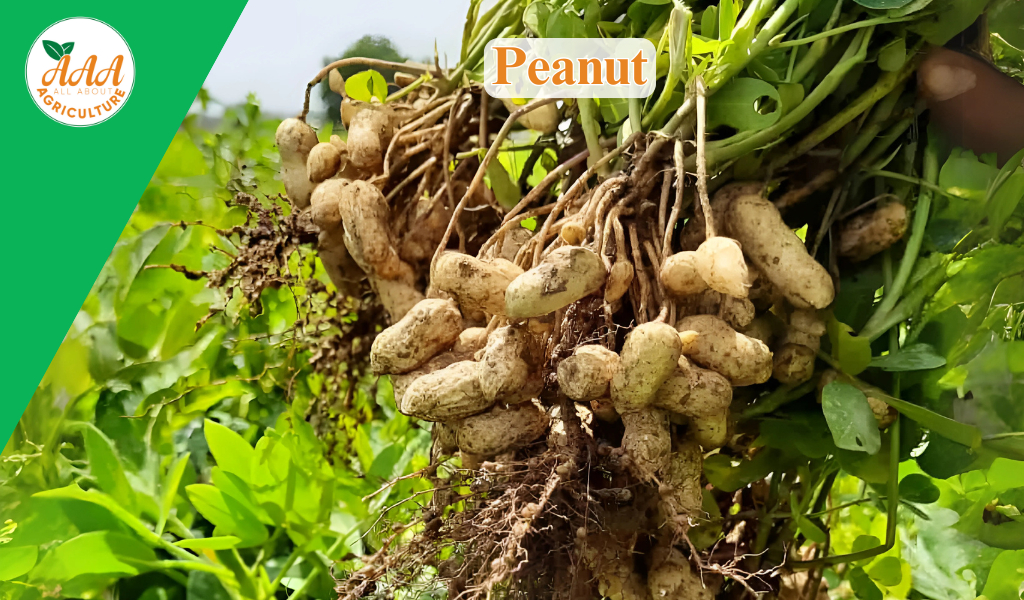
Peanut
Peanut
Understanding About Crop
Nutritional Value:
- Peanuts are rich in protein, healthy fats, vitamins E and B-complex, and essential minerals like magnesium and phosphorus.
- They provide a high-energy food source supporting muscle growth and cardiovascular health.
- Peanut oil is widely used for cooking due to its favorable fatty acid profile and health benefits.
Dietary Diversity:
- Peanuts are consumed raw, roasted, in sweets, sauces, and as oil.
- Their versatility makes them a common ingredient in many cultural cuisines globally.
- Peanuts enrich diets by adding plant-based protein and healthy fats.
Economic Importance:
- Peanut farming offers steady income due to strong demand for both nuts and oil.
- Crop residues are valuable as animal fodder and organic matter for soil improvement.
- All about agriculture provides farmers with market insights and cultivation tips to maximize profit.
Crop Rotation:
- Rotating peanuts with cereals or legumes breaks pest/disease cycles and supports soil fertility.
- Crop rotation improves yield, reduces reliance on chemical fertilizers, and boosts soil health.
- Peanuts enhance sustainability and productivity in farming systems.
Climate Resilience:
- Peanuts thrive in warm, humid climates with temperatures between 25–30°C.
- They require a frost-free period of about 120 days and are sensitive to waterlogging.
- Deep-rooted, they tolerate moderate drought but need adequate moisture during flowering and pod formation.
Health Benefits:
- Regular consumption aids heart health, controls blood sugar, and supports immune function.
- Peanuts are high in antioxidants and healthy fats beneficial for skin and overall wellness.
- Their inclusion in diets promotes balanced nutrition for all age groups.
Key Features
Climate and Soil Requirements
- Peanuts prefer warm temperatures 25–30°C and a frost-free period with around 120 days for optimal growth.
- Well-drained sandy loam or sandy clay loam soils with pH 5.8–6.2 are ideal for good root and peg development.
- Waterlogging is harmful; fields should have good drainage to prevent diseases and root rot.
- High organic matter content supports moisture retention and microbial activity.
- All about agriculture advises soil testing to correct pH and nutrient levels before sowing.
Land Preparation
- Deep ploughing to break hardpan layers and loosen soil to at least 30 cm encourages root growth and water infiltration.
- Remove stones, weeds, and crop residues to provide a clear seedbed and reduce pest habitats.
- Incorporate 10–12 tons per hectare of farmyard manure or compost several weeks before planting.
- Level the land for uniform irrigation and avoid waterlogging during rains.
- Proper land preparation improves seed-to-soil contact, encouraging high germination and crop uniformity.
High-Yielding and Hybrid Seed Selection
- Use certified, disease-free seeds of varieties like JL 24, TMV 7, and K-6, selected for local adaptability and resistance.
- Hybrid varieties may offer higher yields, better oil content, and disease resistance but require proper management.
- Seed stocks should be refreshed every 2–3 years to maintain seed vigor and high germination rates.
- Conduct pre-sowing germination tests and avoid damaged seeds for better crop establishment.
- All about agriculture updates farmers on latest recommended varieties.
Seed Treatment
- Treat seeds with fungicides such as Thiram or Captan (3 g/kg seed) to control seed-borne pathogens.
- Insecticide treatment protects against soil pests like termites and pod borers that damage seedlings.
- Soak seeds overnight or for 8-12 hours to promote quicker and uniform germination.
- Dry treated seeds in shaded areas before sowing to maintain viability.
- Follow safe handling practices and updated guidelines from All about agriculture.
Sowing and Planting Methods
- Sow seeds 3–5 cm deep in well-prepared fields when soil temperature is above 18°C.
- Maintain plant spacing of 30–45 cm between rows and 10–15 cm between plants within rows for optimum growth.
- Use seed drill or dibbling for uniform distribution; avoid broadcasting which leads to uneven stands.
- Optimum sowing in India is from June to August for Kharif season and November to January for Rabi with irrigation.
- Pre-sowing soil moisture encourages quick germination and healthy seedling establishment.
Nutrient and Fertilizer Management
- Incorporate well-decomposed organic manure to improve soil structure and supply essential nutrients.
- Apply balanced NPK fertilizers as per soil test recommendations: generally 20–30 kg N, 60–80 kg P2O5, and 40–60 kg K2O per hectare.
- Avoid excessive nitrogen as it promotes vegetative growth at the expense of pod development.
- Micronutrients like calcium, magnesium, and boron may be required for better yield and quality.
- All about agriculture recommends soil testing and customized fertilization plans.
Irrigation and Water Management
- Peanuts need consistent moisture especially at flowering and pegging stages for high-yield pods.
- Drip or furrow irrigation helps conserve water and prevent disease by avoiding waterlogging.
- Avoid overwatering which causes fungal diseases and poor root health.
- Mulching reduces evaporation and suppresses weed growth in dry conditions.
- Use rainfall and soil moisture monitoring tools suggested by All about agriculture to plan irrigation.
Intercultural Operations
- Early and frequent weeding reduces competition for nutrients, moisture, and light.
- Shallow cultivation encourages better aeration and root expansion.
- Crop residue management by incorporation improves fertility and microbial activity, reducing pests.
- Gap filling and plant thinning after emergence help maintain plant population for optimum yield.
- Timely intercultural activities are crucial to crop health and productivity.
Pest Management
- Common pests include aphids, thrips, white grubs, and pod borers damaging leaves, roots, and pods.
- Integrated Pest Management (IPM) combines cultural, biological, and chemical controls for sustainable pest suppression.
- Use pheromone traps, biopesticides like neem extract, and release natural predators.
- Rotate pesticides to avoid resistance and minimize environmental impact.
- All about agriculture provides regular pest alerts and IPM updates to growers.
Disease Management
- Diseases such as leaf spot, stem rot, and rust reduce pod yield and quality.
- Use disease-resistant varieties and fungicide-treated seeds to reduce incidence.
- Crop rotation, field sanitation, and timely fungicide sprays prevent disease spread.
- Remove infected plants and debris immediately to reduce inoculum in the field.
- Professional monitoring and All about agriculture’s guidance help manage diseases effectively.
Harvesting and Post-Harvest Management
- Harvest when plants start yellowing, and pods are fully mature but before shattering begins.
- Use combine harvesters or manual methods, then dry pods thoroughly before threshing.
- Clean and dry seeds to below 10% moisture before storage to prevent spoilage.
- Store peanuts in cool, dry, pest-proof containers to maintain quality and seed viability.
- All about agriculture advises marketing strategies to optimize farmer profits.
Other Important Points
- Peanut shells and haulms provide valuable livestock feed, adding farm income streams.
- Crop residues improve soil organic matter and moisture retention when incorporated after harvest.
- Monitor government schemes, insurance, and market trends for peanut farming on All about agriculture.
- Peanuts contribute significantly to food security and nutrition worldwide.
Do’s
Don'ts
What are the best organic pest management practices for peanut farming?
Organic control includes crop rotation, use of neem-based sprays, encouragement of natural predators like ladybugs, and trap cropping with plants such as sorghum. These reduce pest pressure while avoiding harmful chemicals.
How does intercropping benefit peanut cultivation?
Intercropping peanuts with cereals or vegetables improves land use, supports natural pest control by attracting beneficial insects, and diversifies income, helping farmers reduce risks from pests and weather.
What are common storage pests affecting peanuts and how to control them?
Storage pests like weevils and beetles can damage dried peanuts. Control is achieved by storing fully dried pods in airtight containers, using clean storage, and including natural repellents like neem leaves.
How can farmers improve soil health for peanuts?
Incorporate organic compost, green manures, and practice crop rotations involving legumes. Healthy soils improve peanut plant vigor and yield, while reducing fertilizer requirements.
What are the important signs of nutrient deficiency in peanut plants?
Yellowing leaves, stunted growth, and poor pod development often indicate deficiencies in nitrogen, potassium, or phosphorus. Timely soil testing and balanced fertilization solve these problems.
How do weather conditions affect peanut yield and quality?
Peanuts require well-distributed rainfall and warm temperatures but are sensitive to waterlogging. Excess rain near harvest can cause pod decay and seed rotting, reducing quality and market value.
What are the environmental benefits of growing peanuts?
Peanuts fix nitrogen in soil, reducing chemical fertilizer needs and improving fertility. Their cultivation supports sustainable practices and enhances biodiversity on farms.
How can farmers reduce weed competition in peanut fields?
Manual weeding, mulching, timely hoeing, and safe herbicides where permitted help manage weeds without harming peanuts. Mulching also conserves soil moisture.
What are the health risks of peanut allergies and how to handle them?
Peanuts are a common allergen; ingestion can cause mild to severe reactions. Awareness, proper labeling, and handling hygiene prevent accidental exposure.
What post-harvest practices improve peanut oil quality?
Drying peanuts promptly to moisture below 10%, gentle processing, and proper storage avoid mold and rancidity, ensuring pure, high-quality oil.
How does using biofertilizers benefit peanut growth?
Biofertilizers enhance natural nitrogen fixation, boost soil microbes, and improve nutrient uptake, leading to healthier plants and higher yields while minimizing chemical use.
Are there government schemes assisting peanut farmers?
Yes, subsidies on seeds, fertilizers, training, and crop insurance are available. Farmers can access latest schemes and market updates through All about agriculture’s online platform.