Pineapple
Pineapple
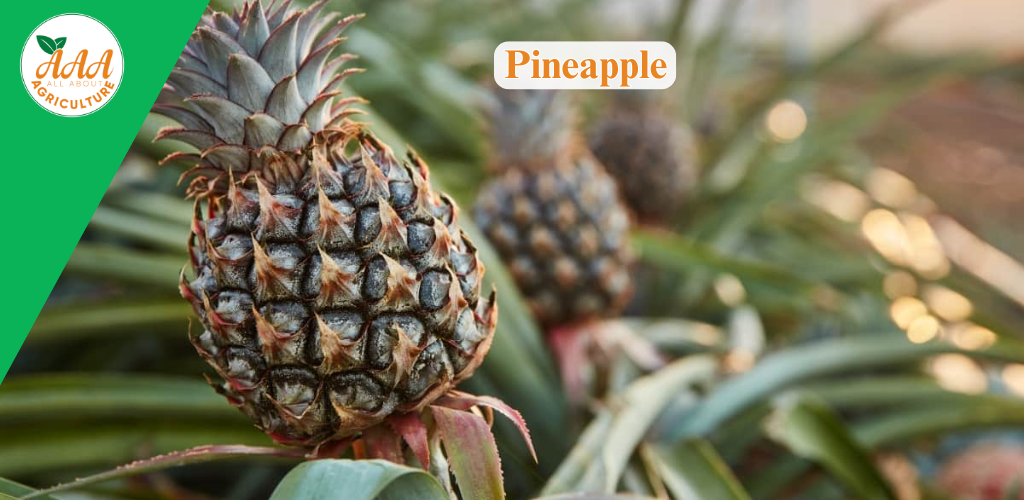
Understanding About Crop
Nutritional Value:
- Pineapple is rich in vitamin C, manganese, and dietary fiber that aids digestion and boosts the immune system.
- Contains bromelain, an enzyme that helps with protein digestion and reduces inflammation.
- Low in calories but high in essential nutrients, making it valuable for healthy diets.
- Supplies folate, vitamin B6, copper, and antioxidants which protect the body’s cells.
- High water content ensures good hydration and a refreshing taste.
- Contains natural sugars offering quick energy but with a low glycemic index.
- Pineapple also contains valuable trace minerals like potassium.
Dietary Diversity:
- Eaten fresh, juiced, canned, dried, or used in cooking, baking, and making jams and pickles.
- Adds flavor to fruit salads, desserts, and even savory dishes such as pizza and curries.
- Pineapple juice is a popular drink for its tangy taste and health benefits.
- Used as a natural tenderizer for meats due to bromelain.
- Pineapple in powdered or dried form is used in confectionery and baking.
- Core and peel can be used to make vinegar or in animal feed.
- Its versatility supports diverse culinary and dietary uses for all ages.
Economic Importance:
- Pineapple is a valuable commercial crop, widely cultivated for fresh markets and processing industries.
- Major producers like India, Philippines, Thailand, and Brazil export fresh fruit and processed products globally.
- All about agriculture provides latest market rates, yield tips, and value addition ideas for pineapple cultivation.
- Processing units create jobs in canning, juicing, and packaging.
- Rural livelihoods are supported through cultivation and post-harvest operations.
- Pineapple farming encourages agro-processing startups for juice, jams, and snacks.
- A well-managed farm can yield consistent returns across seasons.
Crop Rotation:
- Pineapple fits well into crop rotations with legumes, vegetables, and short-duration cash crops.
- Crop rotation improves soil structure, reduces pest and disease pressure, and adds organic matter.
- Rotating with legumes increases soil nitrogen naturally, lowering fertilizer costs.
- Rotation helps break nematode and soil-borne disease cycles.
- Incorporating cover crops between pineapple cycles improves long-term land health.
- Promotes continuous use of land without heavy chemical use.
- Maximizes farm productivity and maintains ecological balance.
Climate Resilience:
- Prefers warm, humid climates with 22–32°C temperature and 1000–1500 mm annual rainfall.
- Grows well from sea level up to 1,000 meters if frost is absent.
- Withstands short dry spells, making it suitable even for slightly rain-scarce regions.
- Shade netting and mulching cushion plants from climate extremes.
- Improved and local resilient varieties help farmers adapt to weather changes.
- Proper irrigation management helps manage climate stress.
- Pineapple’s deep root system supports growth during adverse conditions.
Health Benefits:
- Pineapple supports digestive health due to its fiber and bromelain content.
- High vitamin C boosts immunity and aids wound healing.
- Antioxidants and anti-inflammatory compounds reduce disease risk and promote skin health.
- Good for heart health, as it can help lower blood pressure.
- Assists in hydration and is suitable for most age groups.
- Overconsumption may sometimes cause mouth soreness or allergies for sensitive people.
- Regular but moderate intake is recommended for best benefits.
Key Features
Climate and Soil Requirements
- Pineapple thrives in warm tropical climates with average temperatures between 22–32°C.
- Grows well on rainfall of 1000–1500 mm, distributed evenly across the year.
- Needs full sunlight for best fruit development, but short partial shade is also tolerated.
- Well-drained sandy loam, laterite, and red soils with pH 4.5–6.5 are ideal.
- Soils prone to waterlogging or with poor drainage can lead to root rot.
- Prefers moderate humidity levels; too much humidity may increase fungal disease risk.
- Avoid frost-prone areas, as the crop is very sensitive to cold.
- Organic matter in the soil helps improve water retention and nutrients.
- Regular soil testing helps tailor pH and fertility as per crop need.
Land Preparation
- Clear all weeds, stumps, and rocks before starting land preparation.
- Deep plough and harrow the soil to a fine tilth for uniform root penetration.
- Make raised beds or gentle ridges to improve soil drainage and avoid water logging.
- Apply compost or farmyard manure (10–15 tons/ha) to enrich soil fertility and improve texture.
- Level fields for uniform planting and manageable irrigation.
- Create contours or terraces on sloped lands to control erosion.
- Conduct soil solarization if needed to reduce pest and disease loads.
- Keep pathways clear for easy movement during farm operations.
- Remove crop residues from previous seasons to lower pest risk.
High-Yielding and Hybrid Seed Selection
- Select healthy, disease-free planting material, usually suckers or slips, from reliable sources.
- Choose high-yielding and market-preferred varieties like Queen, Kew, Mauritius, MD2, or local hybrids.
- Avoid using old or small slips for planting to ensure uniform growth and yield.
- Test new varieties on small plots to see adaptability before expanding widely.
- Certified and virus-free stocks give the best start to farms.
- Maintain varietal purity by avoiding mixture of planting types.
- Keep planting material in cool, dry shade before planting in the field.
- Monitor growth and replace poorly performing types with improved ones.
- Store records on source and performance for future selection.
Seed Treatment
- Dip planting material in recommended fungicide or biocontrol solution before planting to prevent set rot and diseases.
- Disinfect knives and handling tools to avoid disease spread.
- Remove dry or damaged leaves before treating slips or suckers.
- Air-dry treated material for a few hours for better establishment.
- Nursery-grown suckers benefit from protective sprays against nematodes and insects.
- Avoid using chemicals that can harm beneficial soil organisms.
- Mark treated batches for monitoring plant health.
- Use biofertilizer dips for improved root growth and soil microbe interaction.
- Regularly inspect the nursery for pests and remove affected plants promptly.
Sowing and Planting Methods
- Planting is best with healthy slips or suckers during the onset of rains for best growth.
- Space plants at 30–60 cm apart in double rows, with rows 90–120 cm wide for easy management.
- Dig shallow holes and plant slips upright, covering roots but not leaves.
- Firm soil around the base and water after planting for quick rooting.
- Fill any gaps with new slips within 2 to 4 weeks of first planting for a uniform field.
- Mulch after planting to retain moisture and control weeds.
- Avoid very deep planting to prevent rot of the stem base.
- Staggered planting over weeks helps in spreading harvest periods.
- Tag planting dates and batches for field record-keeping.
Nutrient and Fertilizer Management
- Apply organic manure (10–15 tons/ha) incorporated before planting for foundation nutrition.
- Use balanced NPK fertilizers, typically 400–600 kg/ha each of nitrogen, phosphorus, and potassium in split doses.
- Split application: at planting, 3-4 months after, and before flowering.
- Foliar sprays with micronutrients like zinc or iron may be needed in very poor soils.
- Use soil and leaf testing to adjust nutrient levels and prevent deficiencies.
- Avoid excess nitrogen, which can prolong vegetative growth and delay flowering.
- Biofertilizers further boost microbe activity and nutrient cycling.
- Adjust fertilization for local conditions, rainfall, and variety response.
- Keep records for fertilization, crop performance, and cost tracking.
Irrigation and Water Management
- Pineapple needs moderate and timely irrigation, especially during dry spells and flowering.
- Drip irrigation is water-efficient and maintains even root moisture without waterlogging.
- Overhead irrigation for cooling in hot months, but avoid wetting leaves late in the day.
- Early morning or evening irrigation reduces water loss by evaporation.
- Mulching with plant residue or plastic film conserves moisture and prevents weed growth.
- Schedule watering based on rainfall, soil type, and crop growth stage.
- Avoid prolonged drought to prevent fruit hollowing and size reduction.
- Use rainwater harvesting structures for supplemental irrigation in dry seasons.
- Monitor soil moisture with simple probes or manual checks.
Intercultural Operations
- Regular weeding is essential throughout the crop cycle, especially early growth.
- Apply mulch to suppress weed growth, retain soil moisture, and regulate temperature.
- Remove any side shoots or excess suckers to direct plant energy into fruit development.
- Provide gentle earthing up around the plant base for support as plants grow.
- Space and thin plants as needed to avoid overcrowding and pest buildup.
- Intercrop with beans, groundnuts, or other short-duration crops for diversity and extra income.
- Remove and destroy dried leaves and plant debris to prevent pest habitation.
- Use hand tools or shallow mechanical weeders to avoid damaging roots.
- Maintain clean pathways for easy movement and monitoring.
Pest Management
- Major pests include mealybugs, scale insects, nematodes, and fruit borers.
- Regular monitoring and early detection prevents full-blown infestations.
- Use sticky traps, natural predators (ladybugs), and botanical sprays for organic control.
- Remove infested fruits or leaves as soon as spotted.
- Crop rotations and field hygiene further lower pest populations.
- Select resistant/susceptible varieties based on the local pest situation.
- Avoid indiscriminate chemical use to preserve natural pest enemies.
- Use pheromone traps for fruit borer monitoring.
- Train workers for pest identification and safe handling of controls.
Disease Management
- Common diseases: fusarium wilt, heart rot, fruit rot, and leaf spot.
- Use healthy, treated planting material to prevent early infection.
- Keep good field drainage to avoid root and stem rots.
- Apply fungicides or biocontrol products at early signs of disease.
- Remove and destroy infected plants or fruits to stop disease spread.
- Maintain wider spacing and airflow to reduce foliar diseases.
- Avoid overhead irrigation late in the day to limit leaf wetness.
- Rotate crops to break disease cycles.
- Record outbreaks and management measures for future planning.
Harvesting and Post-Harvest Management
- Harvest pineapples when fruit turns yellow and gives a sweet aroma; usually 15–18 months after planting.
- Use a sharp knife and gentle handling to avoid bruising the delicate fruit.
- Quick cooling and dry storage prolongs shelf life and maintains fruit quality.
- Grade fruits by size and appearance for better market prices.
- Remove crowns and damaged leaves before packing.
- Store in cool, ventilated places; avoid stacking to prevent crushing.
- Process surplus into juice, jams, or canned slices for value addition.
- Replant immediately after harvesting for consecutive production cycles.
- Keep records of yield and buyer preferences for future planning.
Other Important Points
- Pineapple farming can be integrated with bee-keeping and small livestock for added value.
- Overeating fresh pineapple could cause mouth irritation for sensitive individuals.
- Peels and crowns can be composted for soil fertility or fed to animals.
- For latest pineapple variety updates, market news, and farming tips, visit All about agriculture.
Do’s
Don'ts
How long does it take for a pineapple plant to bear fruit?
A pineapple plant usually produces its first fruit about 15-18 months after planting, but timing can vary with variety and climate.
What are the best organic mulching options for pineapple farms?
Dry leaves, straw, coconut husk, and compost are excellent mulching materials that conserve moisture, suppress weeds, and boost soil health.
Can pineapple be grown in containers or small gardens?
Yes, pineapple plants adapt well to containers if they get full sunlight and proper drainage, making them ideal for small spaces and home gardens.
How can farmers boost pineapple sweetness and fruit size naturally?
Supplying balanced nutrients, ensuring regular irrigation, and allowing full sunlight help achieve sweeter, larger pineapples.
What post-harvest care increases pineapple shelf life?
Careful harvesting, quick cooling, avoiding bruises, and storing in a well-ventilated, cool place extends pineapple freshness and prevents rot.
Are there any special pollination needs for pineapple plants?
Pineapples are mostly self-pollinating, but fruit quality improves in some varieties if natural pollinators like bees are present.
Is it safe to eat pineapple core and leaves?
The core of a pineapple is edible but tougher than the flesh, while leaves are not eaten as food but can be used for fiber or compost.
What causes sour or bitter taste in pineapples?
Bitterness or sourness is often caused by under-ripe harvest, poor nutrition, or disease; waiting for full maturity and proper care solves this problem.
Can intercropping benefit pineapple plantations?
Yes, intercropping with legumes or short vegetables provides extra income, saves space, and adds nutrients to the soil.
What are the common pests found in pineapple cultivation?
Apart from mealybugs and borers, ants sometimes protect pests or attack roots; monitoring and using natural controls helps keep numbers down.
How can pineapple tops (crowns) be reused for planting?
After harvest, save the crown, remove the bottom leaves, dry for a day or two, and plant directly in soil to grow a new pineapple plant.
Where can pineapple growers find market trends and best farming tips?
Visit our website All about agriculture for the latest pineapple market rates, farming innovations, and reliable expert advice suited for every grower.