Plantation Crops
Plantation Crops – Large-Scale Farming of High-Value Crops
Plantation crops are special crops grown over large areas, mainly in tropical and subtropical regions. These crops are usually cultivated for commercial purposes, providing income to farmers and supporting many rural jobs. At All about agriculture, we share simple and complete information on plantation crops to help you understand their farming and benefits.[expander_maker id=”1″ more=”Read more” less=”Read less”]
What is Plantation Crop Cultivation?
Plantation crop cultivation means growing high-value crops like tea, coffee, rubber, cocoa, coconut, and oil palm on large farms with careful planning. The process has several important steps:
- Land Preparation: Clear the land, plough, and level it to provide a good base for planting.
- Seedling or Plant Selection: Choose healthy nursery-grown seedlings or high-quality planting material for better growth.
- Planting: Transplant seedlings or plant seeds in rows with enough space so plants grow well and air circulates.
- Irrigation: Provide water regularly, especially during dry periods and critical growth stages.
- Fertilization: Use fertilizers or organic manure to supply essential nutrients and boost production.
- Pest and Disease Management: Employ integrated pest management (IPM) to control insects, fungi, and diseases safely.
- Pruning and Training: Regularly trim plants to improve airflow, sunlight, and yield.
- Harvesting: Collect the produce like tea leaves, coffee cherries, or coconuts when mature and ready for market.
- Post-Harvest Processing: Some crops require special processing like drying or fermenting before sale.
Following these steps helps farmers get better yields and high-quality plantation crop products.
What Do You Get From Plantation Crops?
Plantation crops provide many products important for daily life and industry:
- Tea and Coffee: Popular beverages enjoyed worldwide.
- Rubber: Raw material for tires, shoes, and many products.
- Coconut: Provides food, oil, milk, fiber, and materials for crafts.
- Oil Palm: Source of palm oil used in cooking, cosmetics, and biofuels.
- Cocoa: Used to make chocolate and confectionery.
Plantation crops also provide jobs and support the economy by earning foreign exchange. At All about agriculture, we explain how these crops benefit farmers and communities.
Types of Plantation Crops
- Tea: Grown mostly in hilly areas with cool climate.
- Coffee: Cultivated in tropical highlands.
- Rubber: Grown in warm, humid conditions.
- Coconut: Thrives in coastal, sandy lands.
- Oil Palm: Grows best in tropical lowlands.
- Cocoa: Requires warm, humid climates.
You can learn detailed cultivation requirements for each crop at All about agriculture.
Major Plantation Crop Producing Countries
- India: Leading producer of tea, coffee, rubber, coconut, and spices.
- Sri Lanka: Famous for tea plantations.
- Indonesia and Malaysia: Top producers of oil palm and rubber.
- Brazil: Large coffee and cocoa grower.
Our website helps you understand how climate, soil, and farming methods shape production in these countries.
Benefits of Plantation Crop Production
- Offers steady income and employment over many years.
- Supports export and foreign exchange earnings.
- Encourages rural development and poverty reduction.
- Provides raw materials for many industries.
- Helps maintain green cover and soil conservation in some areas.
Challenges in Plantation Farming
- Climate change affects growth cycles and yields.
- Pests and diseases can damage crops on a large scale.
- Requires significant labor and capital investment.
- Market price fluctuations can impact farmer income.
- Soil fertility management is important to prevent degradation.
Future Prospects
With increasing global demand for tea, coffee, and sustainable oils, plantation crops have a bright future. New improved varieties, eco-friendly farming methods, and better processing technologies offer higher yield and quality. At All about agriculture, we continuously share updated knowledge to help farmers adopt modern, sustainable farming and improve livelihoods.[/expander_maker]
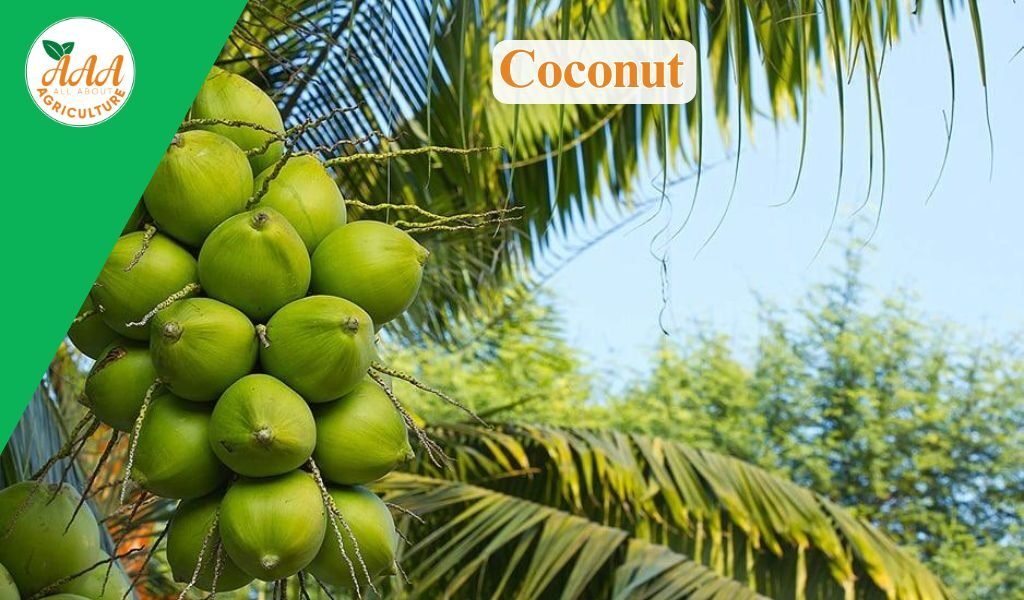
Coconut
Coconut thrives best in deep, well-drained sandy loam soils with good water holding capacity and rich in organic matter. The ideal pH is between 5.5 to 7.5. Avoid waterlogged, saline, or extremely acidic soils. The presence of laterite or hard pan near the surface restricts root growth and affects productivity.
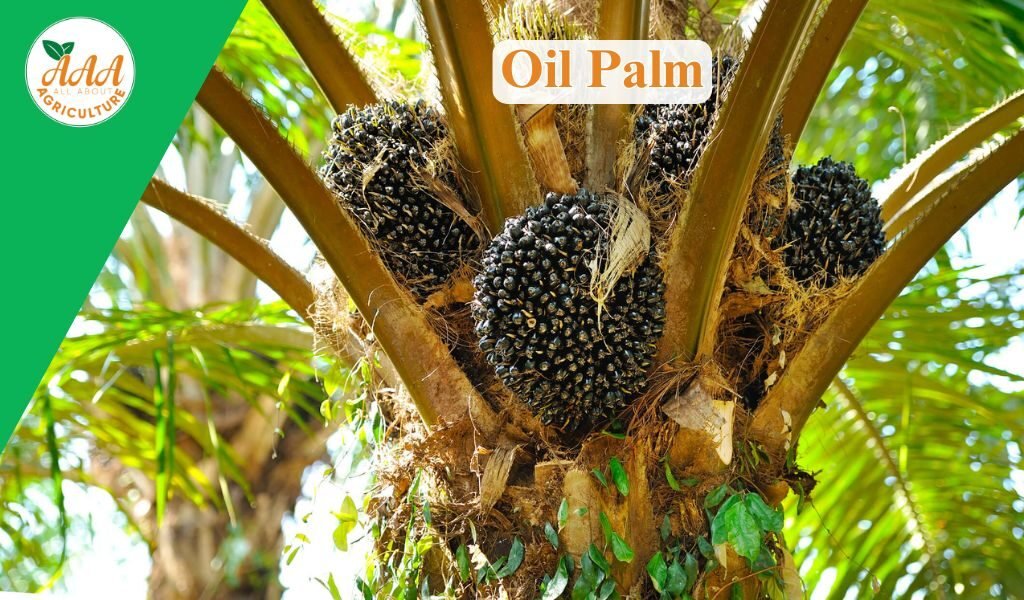
Oil Palm
Deep, well-drained loamy soils with pH 5.0–6.5. Avoid saline, poorly drained, and lateritic soils. Requires a soil depth of at least 1.5 m for root development.
Thrives in humid tropical climate. Optimal temperature range is 25–32°C with 2000–2500 mm annual rainfall, well distributed. Requires at least 5 hours of sunlight daily.
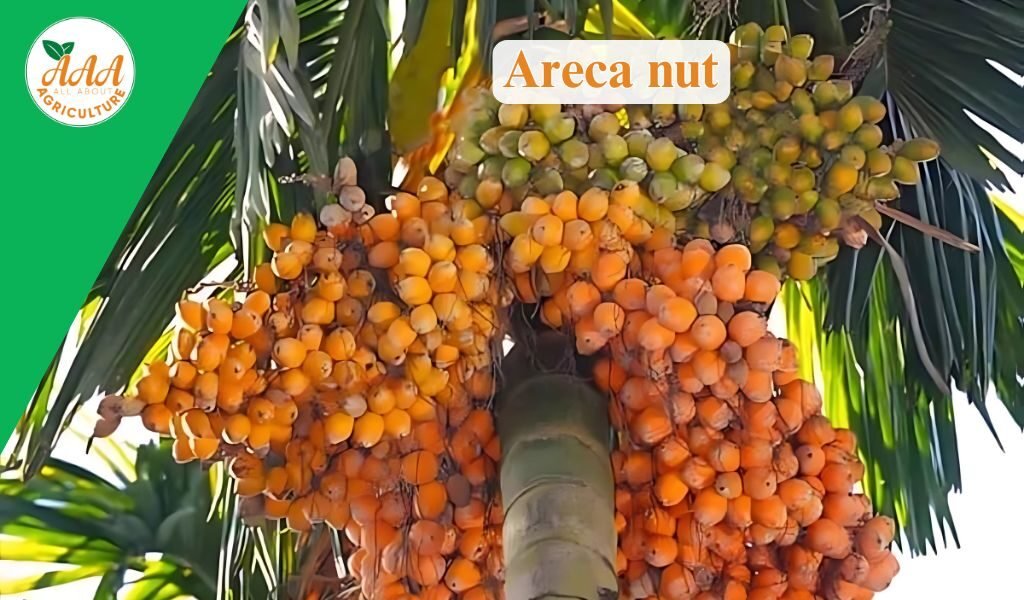
Areca Nut
Prefers well-drained, fertile laterite, red loam, and alluvial soils. Ideal pH is 5.5–6.5. Avoid heavy clay and saline soils.
Warm, humid climate with annual rainfall of 750–4500 mm. Grows best at 14–36°C with shade in initial stages. Sensitive to drought and frost.
Propagated via seeds. Select fully ripened nuts for sowing. Germination takes 45–60 days. Seedlings are transplanted after 1 year.
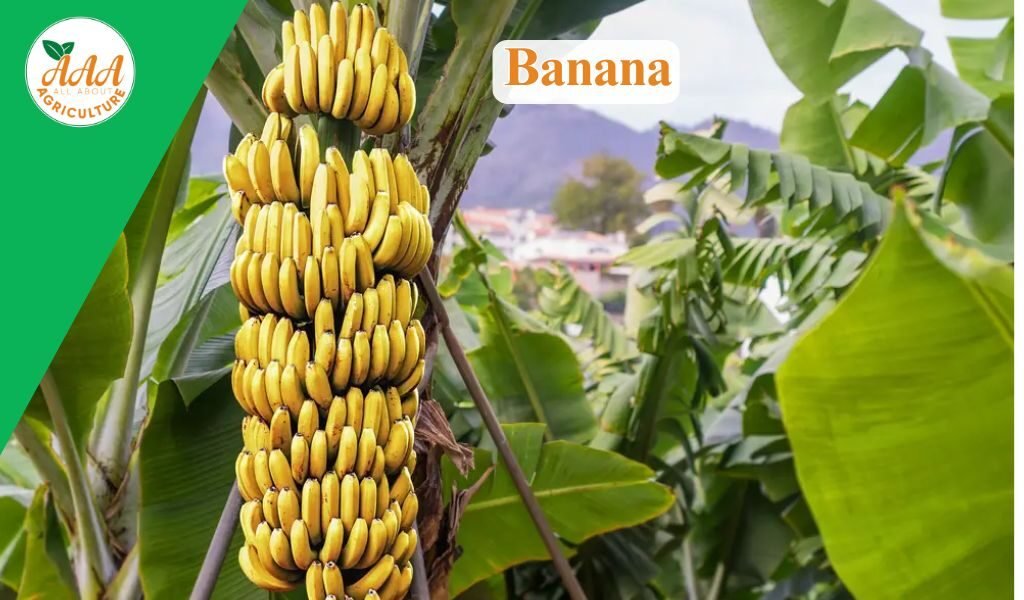
Banana
Banana (Musa sp.) is a large perennial herb with leaf sheaths that form trunk like pseudo stem. Banana has its origin in tropical region of South East Asia. Banana is a nutritious gold mine. They are high in vitamin B6. which helps fight infection and is essential for’ the synthesis ofheme, the iron containing part of hemoglobin. In recent years, considering the adverse impact of indiscriminate use of chemicals, new trend for’ organic production of banana is increasing in the country. A newname, i.e. “Green Foods” for this has been coined.
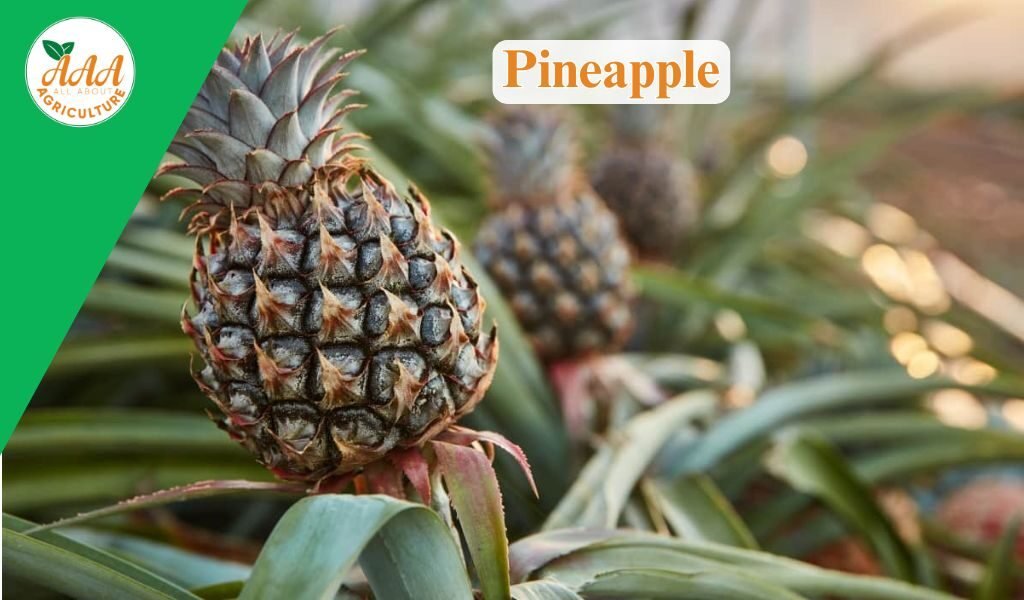
Pineapple
Light, well-drained sandy loam to lateritic soils with pH 4.5–6.5. Sensitive to waterlogging and heavy clays. Requires good organic content and aeration.
Tropical to subtropical climate with 22–32°C optimal temperature. Requires 1000–1500 mm rainfall or equivalent irrigation. Tolerates drought better than waterlogging.
Frequently Asked Questions
What are the ideal climatic conditions for growing plantation crops?
Most plantation crops thrive in tropical and subtropical climates with warm temperatures and high humidity. Consistent rainfall and well-drained soils also help in healthy growth and better yields.
How does shade management affect plantation crop productivity?
Proper shade regulates temperature and light exposure, reducing heat stress and improving photosynthesis. Shade trees can also help conserve soil moisture and support biodiversity.
What is the role of nursery management in plantation crop farming?
Nursery management involves raising healthy seedlings with proper watering, fertilization, and pest control before transplanting them to the field. Good nursery practices ensure higher survival rates and vigorous plants.
How can soil erosion be controlled in plantation farms?
Using contour planting, mulching, cover crops, and terracing helps reduce soil loss, maintain fertility, and improve water retention in sloped plantation areas.
What are the common fertilizer recommendations for plantation crops?
Balanced application of nitrogen, phosphorus, potassium, and micronutrients based on soil tests improves growth. Organic manures and biofertilizers also promote long-term soil health.
How does intercropping benefit plantation crop farmers?
Intercropping with compatible crops offers additional income, reduces weed growth, and improves soil nutrients through natural nutrient cycling.
Which harvesting methods help maintain quality in plantation crops?
Selective plucking, careful handling, and timing harvests when products are mature ensure optimal quality and higher market value for crops like tea and coffee.
How do pests like coffee borer beetles or tea mosquito bugs affect plantation crops?
These pests can reduce yield and quality significantly. Using resistant varieties, biological controls, and timely spraying reduce their impact.
What post-harvest processing is needed for plantation crops?
Drying, fermentation, grading, and proper storage are key steps that enhance shelf life and marketability of plantation products.
How have modern technologies improved plantation farming?
Mechanization, drip irrigation, remote sensing, and precision agriculture optimize resource use, reduce labor, and increase productivity in plantations.
What environmental measures support sustainable plantation farming?
Maintaining biodiversity, minimizing chemical inputs, protecting water sources, and promoting organic farming help plantations remain eco-friendly.
How does All about agriculture assist plantation crop farmers?
Our website offers expert guides, climate-smart practices, pest and nutrient management tips, and market insights to help plantation farmers achieve success sustainably.