Cerals
Cereals – The Staple Crops of Farming
Cereals are the most important crops grown worldwide. They are grains like wheat, rice, maize (corn), barley, oats, millets, and rye. These grains provide us with energy, nutrition, and food security. At All about agriculture, we bring you easy and complete information about cereals, from basic facts to farming techniques. Our page helps you learn about cereal growing step-by-step.
[expander_maker id=”1″ more=”Read more” less=”Read less”]
What is Cereal Cropping?
Cereal cropping means growing these grains in a planned way that gives a good harvest. It involves several important steps:
- Land preparation: The soil is cleared, ploughed, and leveled to make it ready for planting.
- Seed selection: Choosing quality seeds that have high germination and resistance to pests.
- Planting: Sowing seeds in rows with proper spacing for healthy growth.
- Irrigation: Watering the crop adequately during its growth stages.
- Weed control: Removing unwanted plants so they don’t compete with cereals for nutrients and water.
- Fertilization: Adding nutrients to the soil either through organic or chemical fertilizers.
- Pest and disease management: Protecting crops from insects and diseases using safe methods.
- Harvesting: Collecting mature grains carefully to avoid losses.
- Storage: Proper drying and storing of grains to keep them fresh and safe from pests.
Learning and following these steps help you get better yields and healthier crops.
What Will You Get from Cereals?
Cereals are rich in carbohydrates, which provide energy needed for daily life. They also contain small amounts of protein, fiber, vitamins (especially B vitamins), and minerals. Eating cereals regularly supports good health and growth. At All about agriculture, we explain how growing cereals contributes not only to your food but also to nutrition and income.
Types of Cereals
The main cereals include:
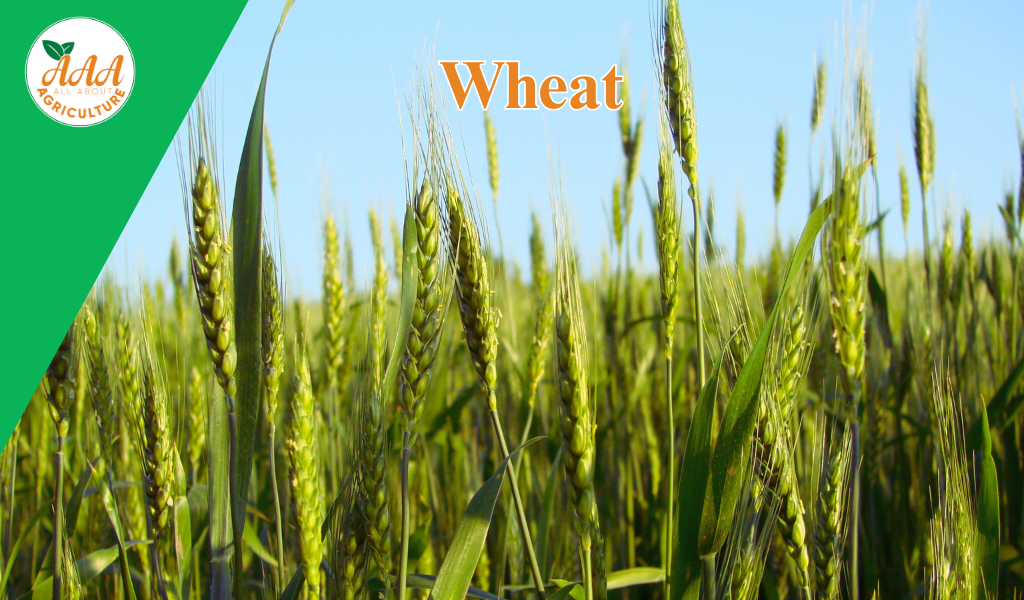
- Wheat – Used to make bread and many foods.
- Rice – A staple for more than half the world’s population.
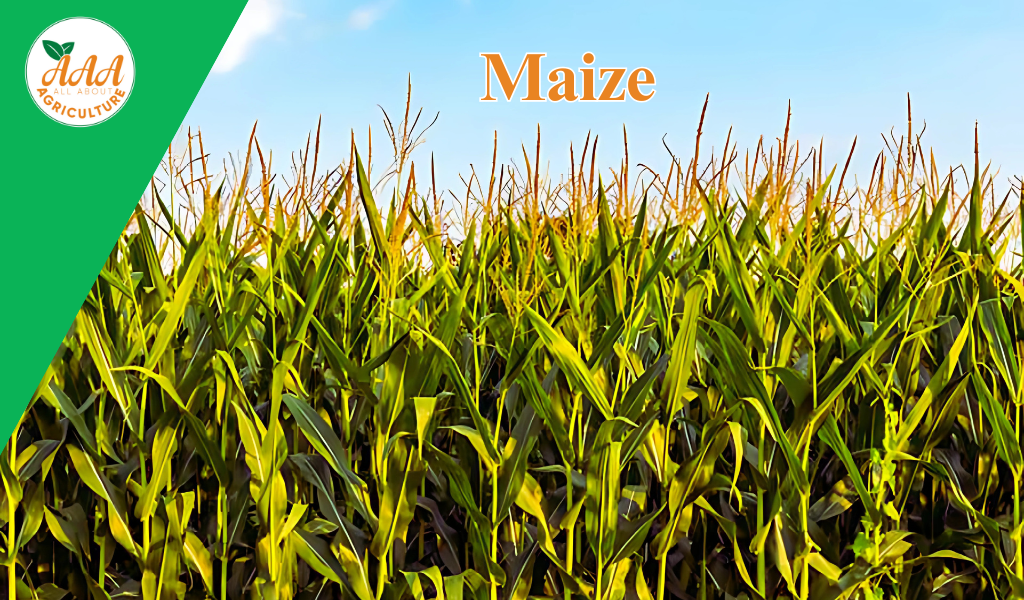
- Maize (corn) – Used as food, fodder, and industrial raw material.
- Barley – Used for food, animal feed, and brewing.
- Oats – Popular as healthy food and animal feed.
- Millets – Important in dry regions for food and fodder.
- Rye – Used in bread and animal feed.
All detailed information about cereal types, farming steps, benefits, challenges, and future trends is here at All about agriculture. Explore this page to learn how cereal farming can improve your livelihood and support healthy living. There are more cereals too, which are mentioned in this page.
Major Cereal Producing Countries
The top countries producing cereals include China, the United States, India, Russia, Brazil, and Canada. These countries grow huge amounts of wheat, rice, maize, and other grains to feed their large populations and export to other countries. Our website shares more information on how different countries grow cereals and why climate and soil affect production.
Benefits of Cereal Production
- Provides staple food for millions.
- Supports farmers’ income and rural employment.
- Helps in maintaining soil health when rotated with other crops.
- Supplies raw materials for industries.
- Allows storage and trade as cereals have good shelf life.
Challenges in Cereal Farming
- Weather changes like drought or flood can reduce yields.
- Pests and diseases attack the crops.
- Soil fertility decreases if not managed well.
- Access to quality seeds and fertilizers can be limited.
- Market price fluctuations affect farmer income.
All about agriculture guides you on overcoming these challenges with practical advice.
Future Prospects
Cereal farming will continue to be vital for food security worldwide. New technologies like improved seed varieties, better irrigation, and organic farming methods promise higher yields with sustainable practices. At All about agriculture, we keep updating you on new research and farming tips so you can grow cereals efficiently for a better future.
[/expander_maker]
Wheat
Maize
Rice
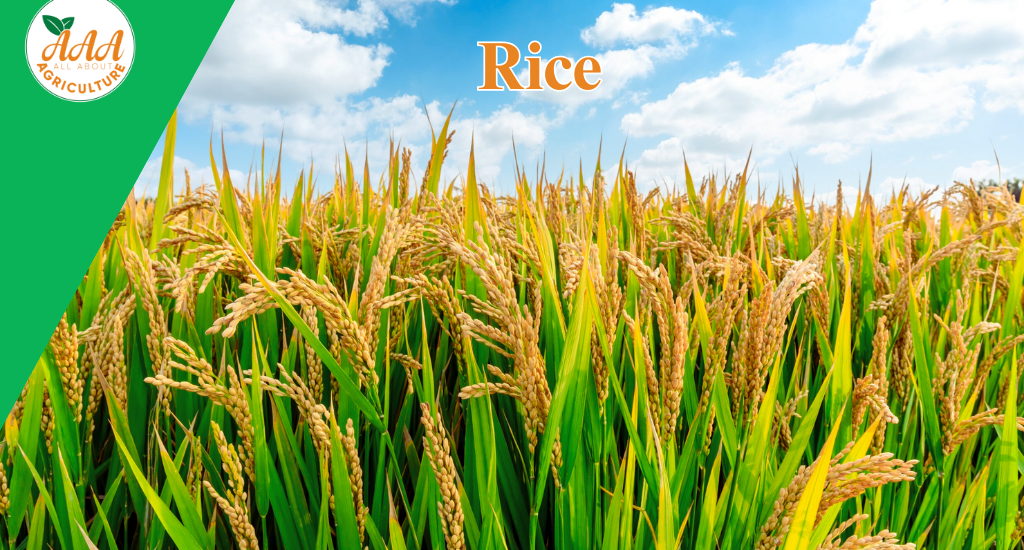
Rice is one of the most important staple foods consumed worldwide, especially in Asia. It grows well in warm, wet environments and is essential for food security in many countries including India. On All about agriculture, we share practical, easy steps and tips that help farmers maximize rice production with sustainable methods.
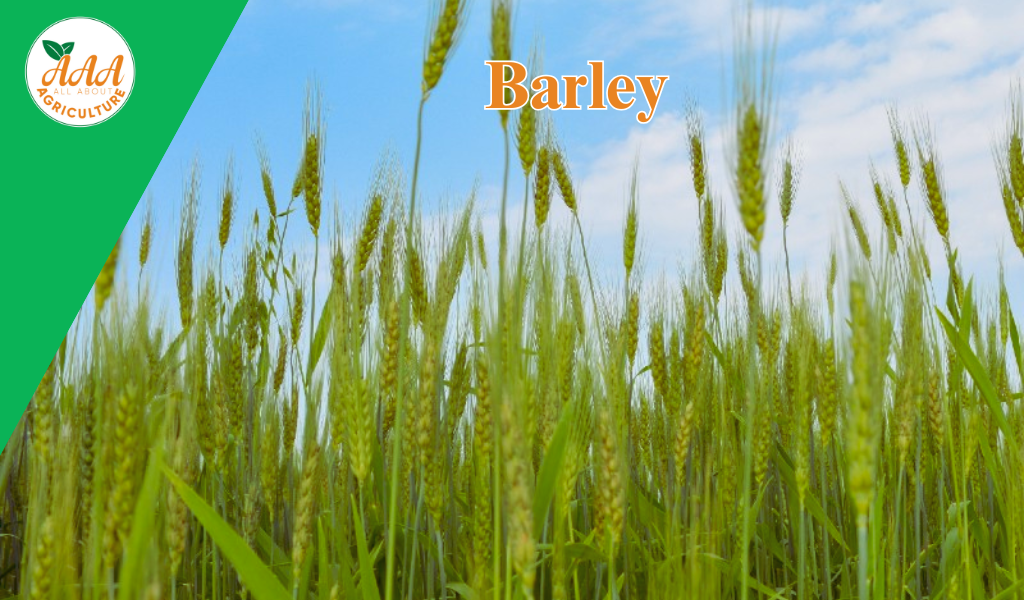
Barley
Barley is a versatile cereal crop used for food, feed, and brewing industries. With advanced production technology, farmers can achieve higher yields, better grain quality, and sustainable farming practices.
Key Steps in Barley Production Technology
Climate & Soil Requirements
➡ Ideal temperature: 12-22°C with moderate rainfall (300-500 mm).
➡ Grows well in well-drained loamy or sandy soils with good fertility.
Frequently Asked Questions
What are the best soils for growing cereals?
Cereals grow well in well-drained loamy or clay soils rich in organic matter. Good soil structure helps roots develop and improves water retention for better crop growth.
How can I improve soil fertility for cereals naturally?
Adding compost, green manure, and crop residues helps improve soil nutrients and structure naturally, supporting healthy cereal crops without overusing chemicals.
What is the ideal planting time for cereals?
Planting time depends on the cereal type and local climate. For example, wheat is sown in cooler seasons, while rice needs warmer, wetter conditions. Timing affects yield and crop health.
How can small farmers manage irrigation for cereals effectively?
Farmers can use simple methods like furrow irrigation or rainwater harvesting to provide enough water. Efficient watering saves water and promotes steady cereal growth.
What are common pests affecting cereals and how to control them?
Aphids, stem borers, and armyworms are common pests. Using natural predators, crop rotation, and resistant seed varieties helps control pests without harmful chemicals.
How does crop rotation benefit cereal farming?
Rotating cereals with legumes or other crops improves soil nutrients, reduces pests and diseases, and increases long-term soil health and crop productivity.
What tools or machinery help in cereal farming?
Simple tools like plows and seed drills help prepare soil and plant seeds evenly. In larger farms, tractors and combine harvesters improve efficiency and reduce labor.
Can cereals be grown organically?
Yes, cereals can be grown using organic fertilizers and pest control methods which promote soil health and produce chemical-free grains.
What are common challenges in cereal storage after harvest?
Moisture, pests, and poor storage facilities cause grain spoilage. Proper drying and using airtight storage containers protect the cereals.
Why is seed quality important in cereal farming?
High-quality seeds germinate better, resist diseases, and produce healthy plants, ultimately leading to higher yields and better income.
How do temperature changes affect cereal growth?
Extreme temperatures can reduce germination and yield. Cool climates suit wheat, while warm, humid climates favor rice.
How can All about agriculture support cereal farmers?
All about agriculture offers easy guides and information on soil care, pest control, irrigation, and harvesting tips to help farmers grow cereals efficiently and profitably.